





Ukrainian President Volodymyr Zelenskyy confirmed Thursday that he has dispatched military specialists and specialized equipment to assist the United States in countering Iranian-manufactured Shahed drones amid escalating hostilities in the Middle East. The move follows a formal request from Washington as U.S. and Israeli forces engage in a high-intensity air campaign against the Iranian regime and its regional proxies.
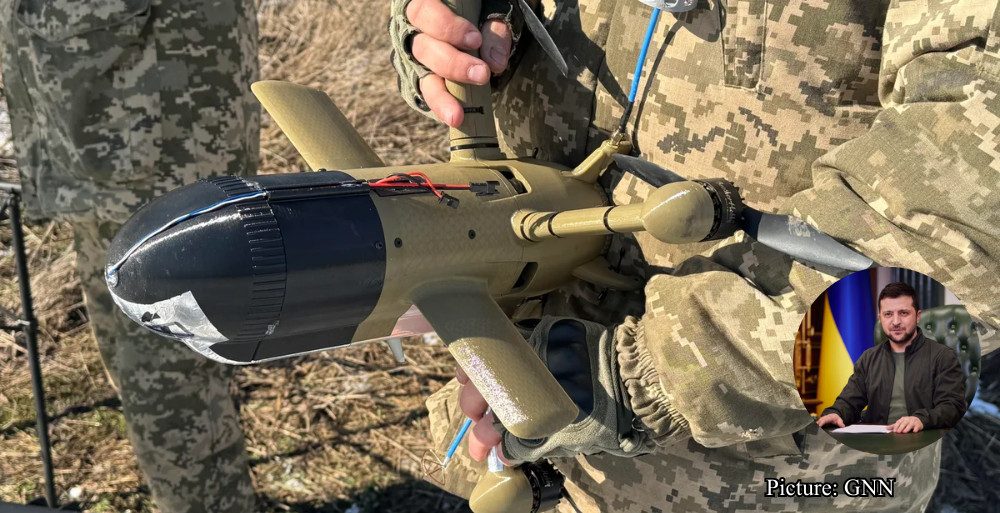
KYIV — President Volodymyr Zelenskyy announced that Ukraine is providing critical technical support and personnel to the United States to defend against Shahed-series one-way attack drones. The deployment represents a significant shift in military cooperation, with Kyiv acting as a primary provider of counter-unmanned aerial vehicle (UAV) expertise to the West.
“We received a request from the United States for specific support in protection against ‘shaheds’ in the Middle East region,” Zelenskyy said in a statement released Thursday. The Ukrainian leader noted that he had authorized the transfer of “necessary means” to ensure that Ukrainian specialists can provide the security measures requested by American officials.
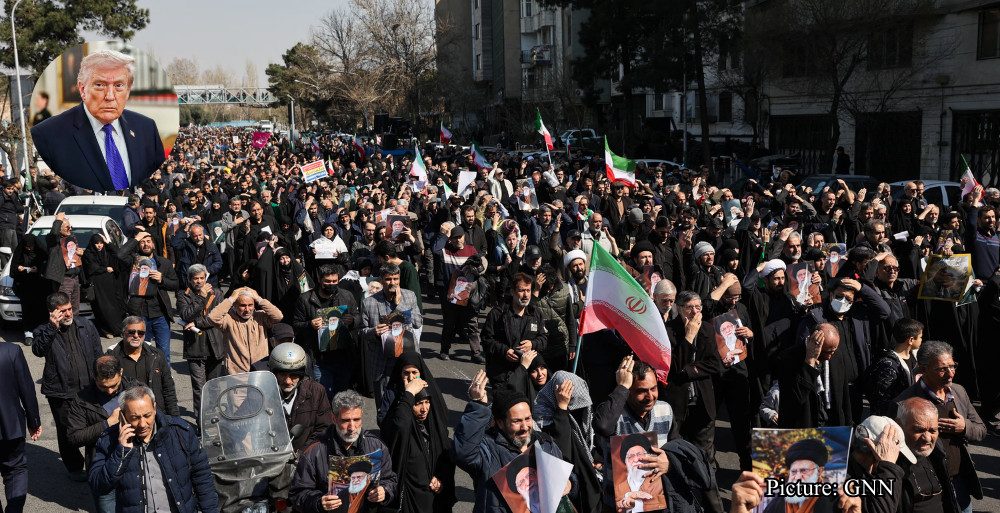
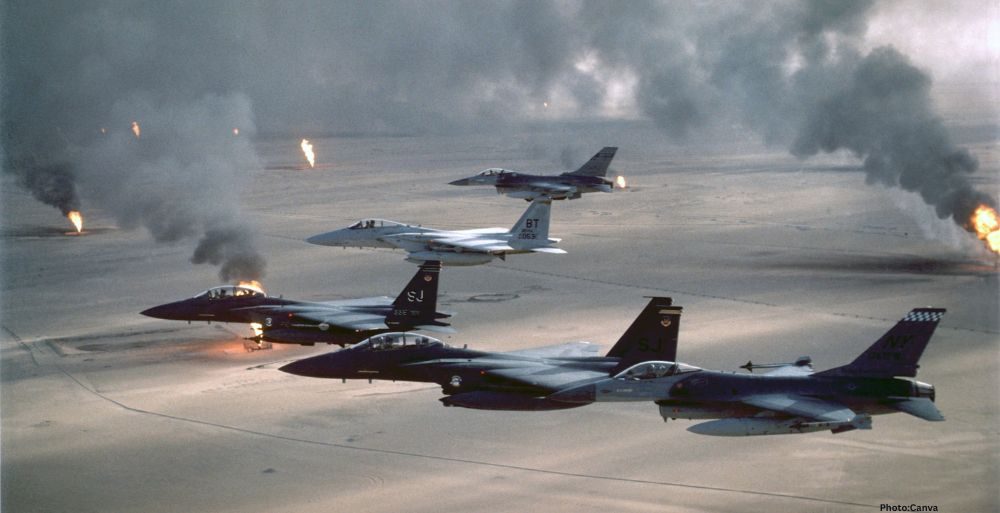
The collaboration comes as the Middle East faces a dramatic surge in drone warfare following the commencement of Operation Epic Fury on Feb. 28. The joint U.S.-Israeli operation, characterized by nearly 900 strikes in its opening hours, resulted in the assassination of Iranian Supreme Leader Ayatollah Ali Khamenei and disrupted the central command structure in Tehran.
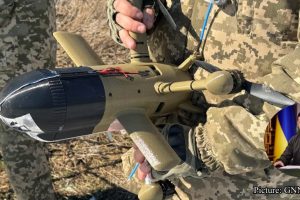
Ukraine has faced the world’s most intensive drone bombardment since the Russian invasion began four years ago. According to Ukrainian military assessments, Russia has launched tens of thousands of Iranian-designed Shahed drones against Ukrainian infrastructure. This experience has turned the Ukrainian Armed Forces into the foremost global authority on intercepting and jamming these low-cost, high-impact weapons.
“I gave instructions to provide the necessary means and ensure the presence of Ukrainian specialists who can guarantee the required security,” Zelenskyy stated. He characterized the move as a reciprocal gesture of military assistance, noting that “Ukraine helps partners who help ensure our security and protect the lives of our people.”
The Iranian-designed Shahed-136 and its variants have become a cornerstone of both the Russian offensive in Europe and Iran’s retaliatory strikes in the Persian Gulf. These drones, which cost between $20,000 and $70,000 to manufacture, are often deployed in “swarms” designed to overwhelm traditional air defense systems.
Zelenskyy previously warned in January that the scale of production has reached critical levels, stating that Russia and its partners are capable of producing approximately 500 Shahed drones per day. He cautioned that Ukraine’s own production of interceptor drones, while reaching 1,000 units daily, remains insufficient to fully neutralize the “unrelenting aerial barrage” from Russian-aligned forces.
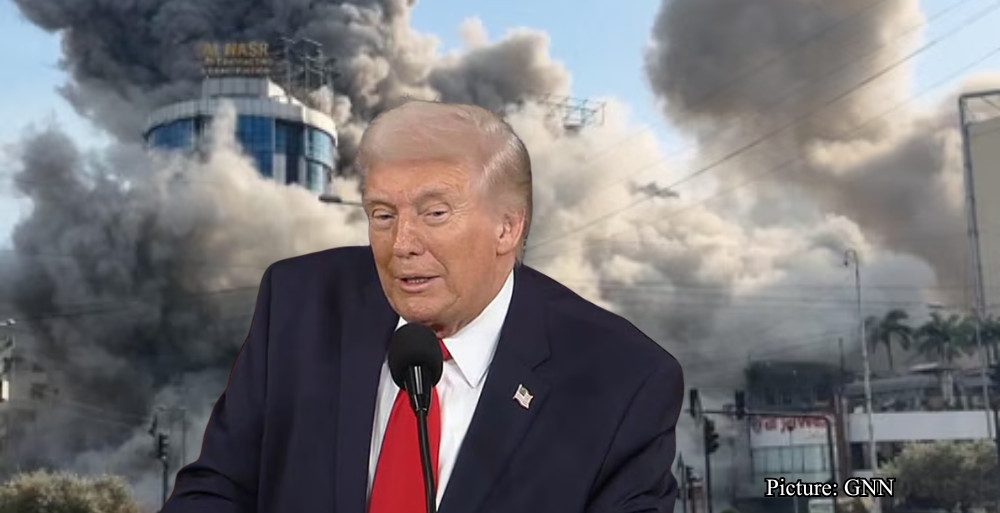
The current conflict in the Middle East has seen Iran retaliate for the death of Khamenei by launching hundreds of drones and ballistic missiles at U.S. embassies, military bases, and civilian infrastructure across the Gulf region. Nations including the United Arab Emirates, Bahrain, and Qatar have reportedly been targeted, prompting a broader regional request for Ukrainian technical aid.
Earlier on Thursday, Zelenskyy indicated that he had received “signals from partners in the Middle East” following strikes that impacted civilian populations. The Ukrainian president suggested that Kyiv’s involvement is contingent on the continued support of those partners for Ukraine’s own defense against Russia. “If their representatives come, we will provide the expertise,” he noted.
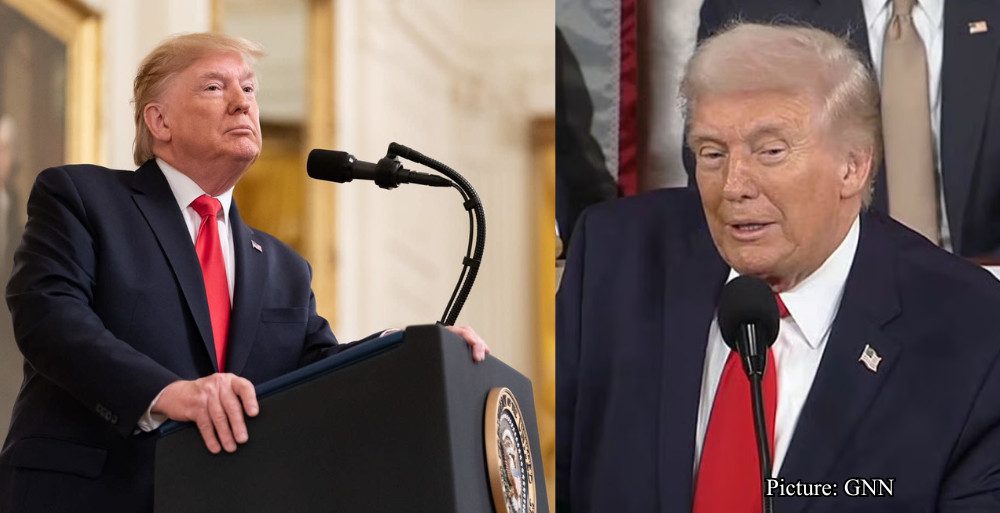
The U.S. Department of War—recently renamed from the Department of Defense via executive order—has not issued a formal comment on the specific nature of the Ukrainian support. However, President Donald Trump, speaking earlier this week, emphasized a policy of total military readiness, stating that the United States possesses a “virtually unlimited supply” of weaponry to sustain the ongoing conflict.
The regional security environment remains volatile. The State Department has issued urgent evacuation orders for U.S. citizens in the Middle East as commercial aviation remains largely grounded due to the threat of drone and missile interceptions. Analysts suggest that the introduction of Ukrainian operators could provide the U.S. with more cost-effective methods of neutralizing Shahed swarms without exhausting expensive Patriot missile stockpiles.
Beyond tactical support, Zelenskyy has alleged a deepening industrial link between Moscow and Tehran. He stated in a separate briefing that the Russian “war engine” has been supplying sophisticated electronic components to Iran to facilitate the rapid assembly of new drone fleets, creating a closed-loop supply chain that bridges the two theaters of war.
Historically, the Shahed drone was considered a niche “suicide” weapon, but its integration into modern combined-arms warfare has forced a global reassessment of air defense. Ukraine’s ability to share electronic warfare (EW) signatures and flight pattern data is viewed by Western intelligence as a critical asset in the defense of U.S. assets in the Persian Gulf.
The Ukrainian deployment is expected to involve specialized units from the Main Intelligence Directorate (GUR) and EW specialists who have successfully developed domestic “soft-kill” technologies capable of forcing drones to crash or veer off course. These methods are essential for protecting high-value targets like embassies and energy facilities in densely populated areas.
As the conflict enters its second week, the death toll from the initial strikes and subsequent Iranian retaliations continues to rise. International monitors have reported more than 1,000 casualties across the region, including significant civilian losses in Tehran and Minab. The presence of Ukrainian experts highlights the increasingly globalized nature of modern drone warfare, where the lessons learned in the trenches of Eastern Europe are now being applied to protect American interests in the Middle East.
While Zelenskyy has committed to providing expertise, he has maintained that the defense of Ukrainian territory remains the absolute priority. He stated that any assistance provided to the U.S. or Middle Eastern partners will be conducted in a manner that does not degrade the operational capabilities of his own forces as they continue to face a multi-front Russian offensive.