








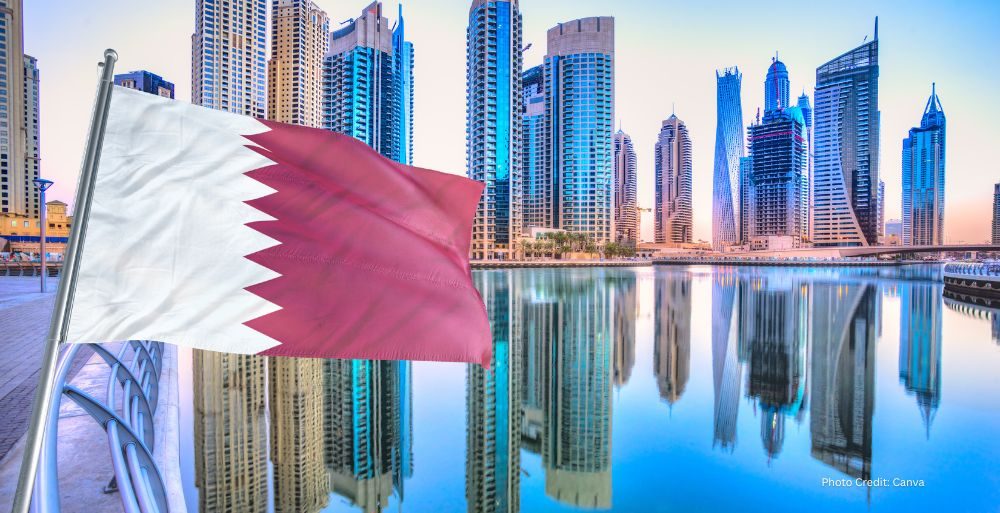
In a significant move reflecting regional solidarity, Qatar has announced an extension of visa validity for travelers stranded due to the closure of airspace amidst the escalating Middle East crisis. This decision aligns Qatar with several other nations, including the United Arab Emirates, Saudi Arabia, Kuwait, Bahrain, Lebanon, and the Maldives, which have similarly extended visas to accommodate travelers facing unexpected disruptions.
The recent escalation of tensions in the Middle East has once again underscored the region’s complex geopolitical landscape. With airspace closures becoming a common response to escalating conflicts, travelers find themselves caught in a web of uncertainty. In a gesture of goodwill and practical necessity, Qatar, along with several other countries, has extended visa validity for travelers stranded due to these disruptions. This move not only alleviates immediate travel concerns but also highlights the intricate dance of diplomacy and logistics that defines the region.
Qatar’s decision to extend visa validity comes at a time when the region is grappling with heightened tensions that have led to the closure of airspace across several countries. This has resulted in significant travel disruptions, with countless travelers finding themselves unable to return home or continue their journeys. In response, Qatar has offered a one-month automatic extension to all affected travelers, a decision that underscores the country’s commitment to humanitarian considerations amidst geopolitical turmoil.
The airspace closures are a direct consequence of the ongoing crisis, a situation that has its roots in deep-seated historical and political complexities. The Middle East has long been a region marked by strategic rivalries and shifting alliances, and the current crisis is a stark reminder of these enduring tensions. The closure of airspace is a tactical move, aimed at ensuring national security and preventing potential escalation. However, it also highlights the collateral impact on civilian life, particularly on the global travel industry.
For travelers, the extension of visa validity offers a reprieve in an otherwise challenging situation. The automatic nature of the extension is particularly noteworthy, as it removes the bureaucratic burden from individuals who may already be dealing with significant stress and uncertainty. This approach reflects a broader understanding of the need for compassion and efficiency in times of crisis, and it sets a precedent for how countries might handle similar situations in the future.
Qatar’s decision is part of a broader trend in the region, with countries like the United Arab Emirates, Saudi Arabia, Kuwait, Bahrain, Lebanon, and the Maldives also taking similar steps. This collective response is indicative of a regional acknowledgment of the interconnectedness of the Middle East’s political and logistical landscape. It also highlights the importance of cooperation and communication between nations, even amidst tension, to ensure the safety and well-being of civilians.
The implications of these visa extensions are significant for the travel industry, which has been one of the hardest hit by the ongoing crisis. Airlines, hotels, and travel agencies are all grappling with the fallout from sudden disruptions, and the extension of visa validity provides a much-needed buffer. It allows travelers to adjust their plans without the added pressure of visa expirations, thereby reducing stress and potential financial losses.
Moreover, the move by Qatar and its regional neighbors can be seen as part of a broader strategy to maintain stability and prevent further escalation. By addressing the immediate needs of stranded travelers, these countries are not only providing practical assistance but also signaling their commitment to maintaining open channels of communication and cooperation. This is crucial in a region where misunderstandings and miscommunications can quickly lead to conflict.
While the extension of visa validity is a positive step, it also raises questions about the long-term implications of such measures. As the Middle East continues to navigate its complex political landscape, the potential for future disruptions remains high. Countries will need to continue to develop strategies that balance national security concerns with the needs of travelers and the travel industry. This will require ongoing dialogue and cooperation, both within the region and with the broader international community.
In conclusion, Qatar’s decision to extend visa validity for stranded travelers is a clear reflection of the country’s commitment to addressing the humanitarian impacts of geopolitical crises. By aligning with other regional powers in this effort, Qatar is also demonstrating the potential for cooperation and solidarity in a region often characterized by division. As the Middle East continues to face challenges, such measures will be crucial in ensuring the safety and well-being of all affected individuals. The travel industry, too, will need to adapt and innovate to navigate the complexities of a world where geopolitical tensions can have far-reaching impacts on global mobility.