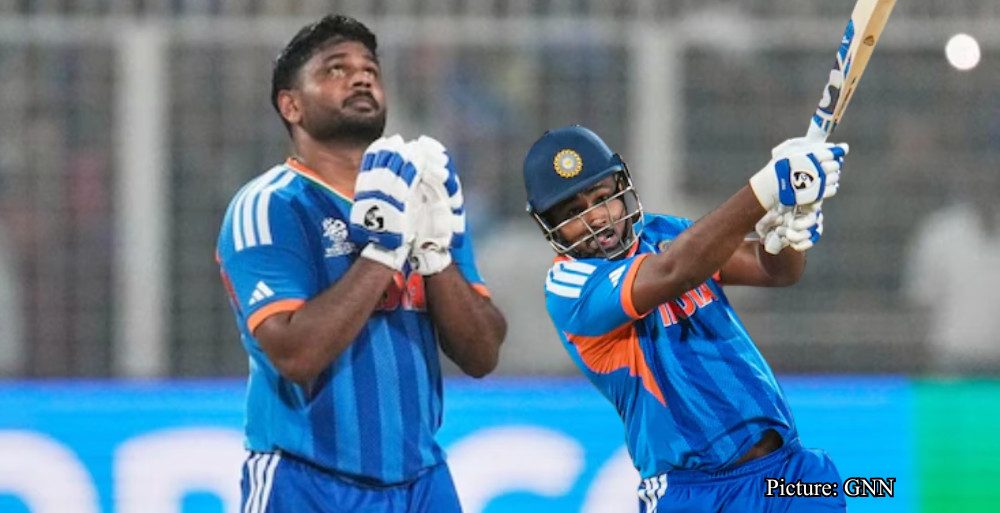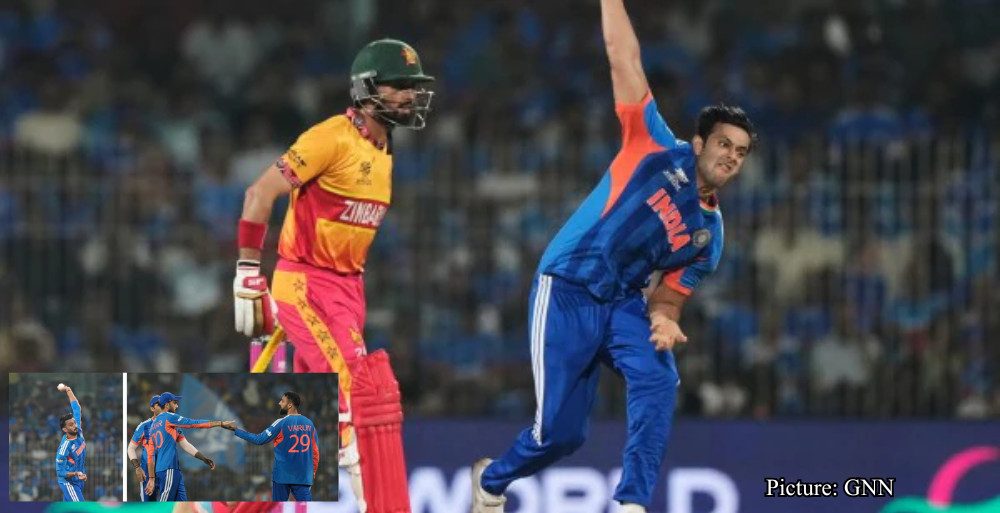









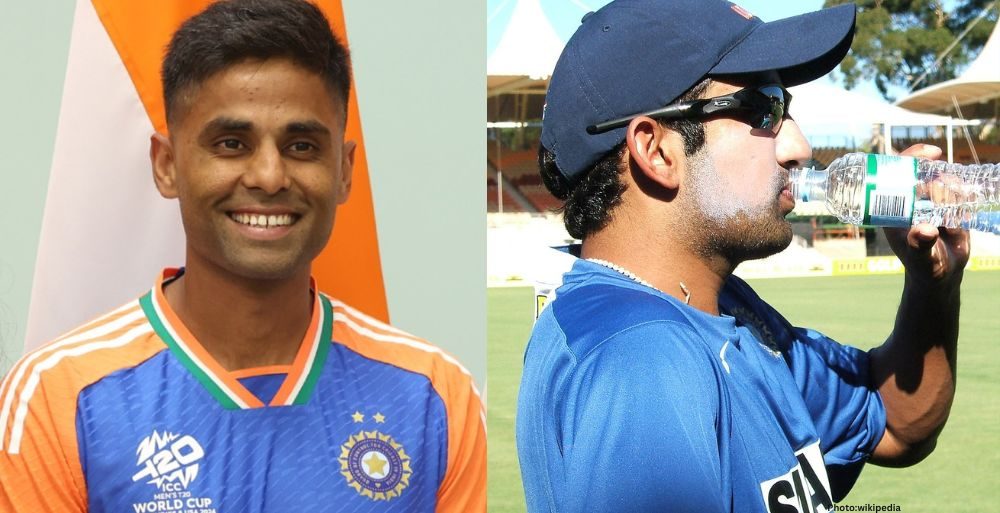
The upcoming T20 World Cup semifinal between India and England presents a compelling narrative of leadership styles, as Suryakumar Yadav and Gautam Gambhir guide their team through the challenges of international cricket. With contrasting approaches to leadership, they are tasked with transforming a team that has survived into one that can intimidate their opponents.
In the high-stakes world of T20 cricket, where every ball can make or break a game, leadership becomes as crucial as the skills on the field. The Indian team, under the dual guidance of Suryakumar Yadav and Gautam Gambhir, is navigating a critical juncture in the T20 World Cup. As they prepare to face England in the semifinals, the spotlight is on how these two leaders will steer their team, each bringing a distinct style to the table.
Suryakumar Yadav, often described as a leader who leads by feel, embodies a more approachable, almost fraternal style of leadership. His approach is reminiscent of a friend guiding his peers rather than a traditional authoritative figure. This method can foster a strong sense of camaraderie and trust within the team, encouraging players to express themselves freely on the field. Yadav’s leadership style is particularly suited to the dynamic and unpredictable nature of T20 cricket, where players must often rely on instinct and creativity.
On the other hand, Gautam Gambhir represents a more traditional form of leadership, emphasizing accountability and high standards. Known for his steely resolve and fierce competitiveness, Gambhir demands the best from his players, holding them to rigorous standards. This approach can instill discipline and focus, crucial elements in high-pressure matches. However, it also requires a delicate balance to ensure that the pressure does not stifle the players’ natural flair and confidence.
The combination of these two leadership styles could be India’s secret weapon. While Yadav’s approach might encourage players to take risks and play with freedom, Gambhir’s influence ensures that these risks are calculated and grounded in strategic thinking. The challenge lies in blending these philosophies to create a cohesive unit capable of intimidating even the strongest opponents.
As India prepares to face England, they must contend with a formidable opponent led by the young and dynamic Harry Brook. England’s team is known for its aggressive style of play, characterized by powerful batting and strategic bowling. Their approach to the game mirrors the aggressive, fast-paced nature of T20 cricket, making them a formidable adversary.
Historically, matches between India and England have been fiercely contested, with both teams boasting an array of talent and a deep-seated rivalry. This semifinal is no different, with both sides eager to assert their dominance on the world stage. For India, the key to overcoming England will lie in their ability to adapt and execute their game plan with precision.
The current Indian squad has shown resilience throughout the tournament, often finding ways to win despite challenging situations. This ability to survive and adapt is a testament to the leadership of Yadav and Gambhir, who have managed to instill a fighting spirit within the team. However, to transition from a team that survives to one that intimidates, India must harness this resilience and channel it into a more assertive and commanding performance.
In the broader context of international cricket, this match also highlights the evolving nature of leadership within the sport. As teams become more diverse and the game continues to evolve, so too must the approaches to leadership. The blend of Yadav’s empathetic style and Gambhir’s demand for accountability could serve as a model for future cricketing leadership, demonstrating that adaptability and a willingness to embrace different styles can be key to success.
Moreover, the outcome of this match could have significant implications for the future of both teams. A victory for India would not only secure a place in the final but also reinforce the effectiveness of their leadership duo. For England, a win would validate their aggressive approach and further establish them as a dominant force in T20 cricket.
As the cricketing world watches with bated breath, the semifinal between India and England promises to be a thrilling encounter, showcasing the best of what T20 cricket has to offer. It is a test not just of skill and strategy, but of leadership and the ability to inspire a team to greatness. Whether India can transform from a team that survives to one that intimidates will depend on how well Yadav and Gambhir can merge their styles and lead their team to victory.