







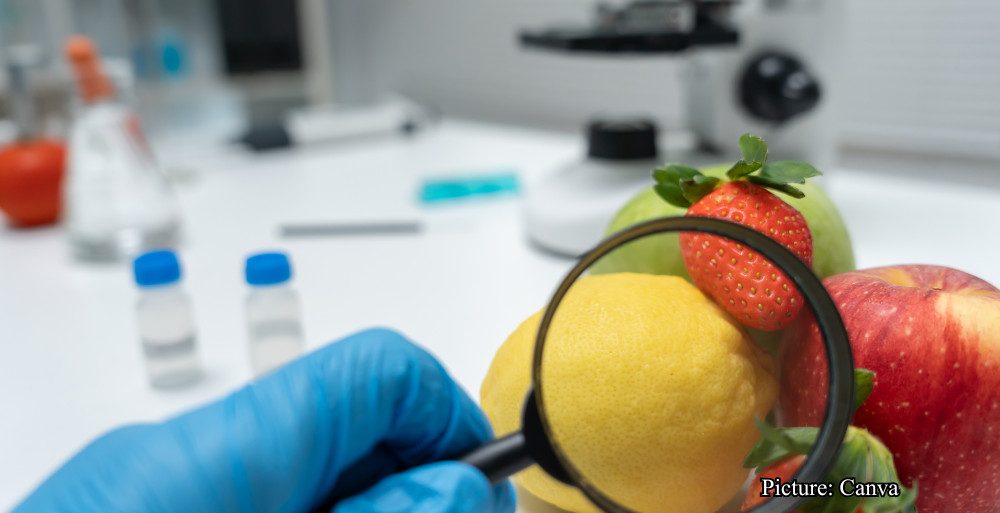
In a startling revelation, an investigation has uncovered that over 100 chemicals, whose safety remains unverified, have been surreptitiously introduced into the American food supply. This occurred without the knowledge of the public or oversight from the Food and Drug Administration (FDA), raising significant concerns about food safety and regulatory processes in the United States.
The modern food landscape is a complex tapestry woven with innovation, consumer demand, and regulatory oversight. However, recent findings have pulled back the curtain on a disconcerting practice—chemicals of unknown safety being introduced into the food supply without FDA or public awareness. This revelation not only raises eyebrows but also questions the efficacy of current regulatory frameworks designed to protect public health.
The investigation, spearheaded by diligent researchers and concerned stakeholders, highlights a loophole in the regulatory system that allows companies to self-regulate the safety of new food additives. This process, known as Generally Recognized as Safe (GRAS), permits companies to determine the safety of a substance without the need for FDA approval, provided there is consensus among qualified experts. While this mechanism was designed to expedite the introduction of safe substances into the market, it appears to have been exploited to bypass thorough safety evaluations.
The GRAS rule, established in the 1950s, was intended to streamline the process for substances with a long history of safe use. However, as the food industry has evolved, so too have the substances being added to our food. Today, many of these chemicals are novel compounds with complex properties, far removed from the simple preservatives and flavorings initially envisioned under the GRAS rule. This misalignment between the original intent of the regulation and its current application has led to a significant gap in oversight.
One of the most pressing concerns is the lack of transparency. The GRAS process allows companies to keep their safety assessments confidential, meaning that neither the FDA nor the public is privy to the scientific rationale behind the safety determinations. This secrecy not only undermines public trust but also poses a potential risk to consumer health. Without independent verification or public scrutiny, there is no guarantee that these chemicals are indeed safe for consumption.
The implications of this are profound. Food safety is a cornerstone of public health, and any breach in this domain can have far-reaching consequences. The introduction of unverified chemicals into the food supply could lead to unforeseen health issues, ranging from allergic reactions to long-term chronic conditions. Furthermore, it places an undue burden on consumers, who are left to navigate a food landscape fraught with hidden risks.
Historically, the FDA has been a stalwart guardian of public health, ensuring that food products meet stringent safety standards. However, this investigation reveals a chink in the armor, suggesting that the agency’s regulatory powers may need reinforcement. In an era where the food industry is rapidly innovating, regulatory frameworks must evolve to keep pace with new challenges. This includes revisiting the GRAS rule to ensure it aligns with contemporary scientific understanding and public expectations.
Moreover, this situation underscores the importance of transparency and accountability in the food industry. Consumers have a right to know what they are eating and to trust that it is safe. Companies, therefore, have a responsibility to be forthcoming about the substances they use and the safety assessments they conduct. This not only fosters trust but also encourages a culture of safety and responsibility within the industry.
Looking ahead, there are several pathways to address these issues. One potential solution is to require companies to submit their GRAS determinations to the FDA for review, ensuring that all safety assessments are subject to independent scrutiny. Additionally, enhancing public access to safety data could empower consumers to make informed choices and hold companies accountable for their practices.
In conclusion, the revelation that chemicals of unknown safety have been added to the US food supply without public or FDA knowledge is a wake-up call for regulators, the food industry, and consumers alike. It highlights the need for robust oversight, greater transparency, and a renewed commitment to public health. As we navigate this complex issue, it is imperative that we prioritize safety and integrity, ensuring that the food on our tables is not only delicious but also safe for all.