









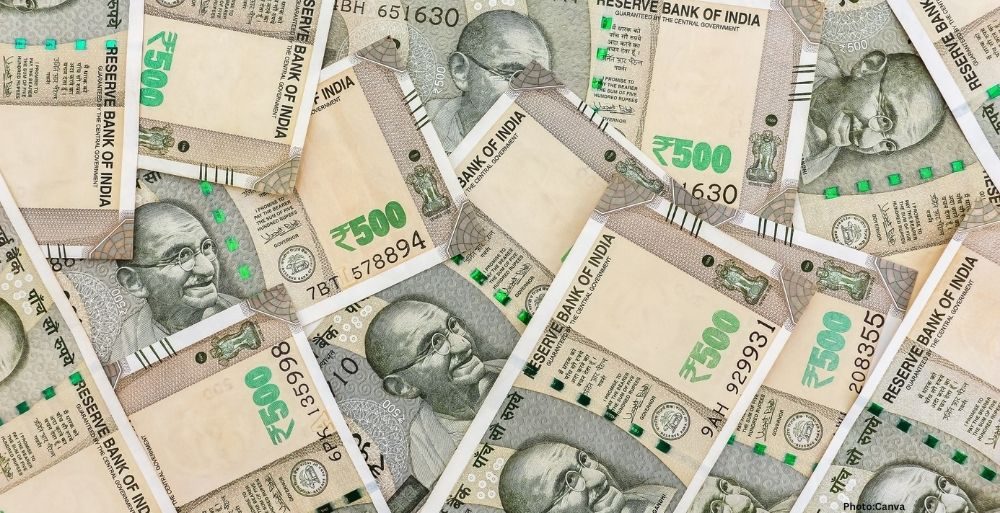
The journey towards making the Indian rupee a global currency is in its nascent stages, characterized by deliberate and cautious steps. Experts suggest this will be a gradual process, spanning several decades, aimed at integrating the rupee into the global financial system without causing economic disruptions.
In the grand theatre of global finance, currencies play starring roles, not just as mediums of exchange but as symbols of economic might and political influence. The US dollar, the euro, and the yen dominate the stage, their influence reverberating across continents. In this context, India’s ambition to internationalize the rupee is both a strategic economic maneuver and a statement of its growing geopolitical aspirations.
Internationalizing a currency involves allowing it to be used freely in cross-border transactions, held by foreign entities, and traded on global markets. For India, this means a slow and steady march towards reducing its reliance on foreign currencies, particularly the US dollar, in international trade and finance. This journey, however, is not without its challenges and requires a robust economic foundation, stable macroeconomic conditions, and a well-developed financial market infrastructure.
The Reserve Bank of India (RBI) and the Indian government have been laying the groundwork for this transition. Recent measures include establishing bilateral currency swap agreements with several countries, allowing trade settlements in rupees, and encouraging foreign entities to issue rupee-denominated bonds, known as ‘masala bonds’. These initiatives aim to increase the global acceptance of the rupee and reduce the currency risk for Indian businesses engaged in international trade.
Experts caution that the path to internationalization is fraught with potential pitfalls. A premature or overly aggressive push could lead to volatility, capital flight, and financial instability. Therefore, the process must be meticulously calibrated, aligning with India’s economic growth trajectory and evolving global economic conditions. The experiences of other countries provide valuable lessons. China’s yuan, for example, has made significant strides towards internationalization over the past decade, supported by the country’s economic clout and strategic policy measures. However, even for China, the journey has been gradual and carefully managed to avoid destabilizing its economy.
India’s economic fundamentals will play a crucial role in this endeavor. A strong and resilient economy, characterized by sustained growth, low inflation, and a stable fiscal environment, is essential to bolster confidence in the rupee. Furthermore, India’s financial markets need to be deepened and broadened to attract foreign investments and facilitate the free flow of capital. Regulatory reforms, improved market infrastructure, and enhanced transparency will be critical in this regard.
The political will to drive this agenda is equally important. As India positions itself as a significant player on the global stage, the internationalization of the rupee could enhance its economic sovereignty and reduce its vulnerability to external shocks. However, this must be balanced with the need to maintain financial stability and protect domestic interests.
On the international front, building strategic alliances and strengthening economic ties with key trading partners will be vital. By promoting the use of the rupee in bilateral trade and investment, India can gradually increase its currency’s acceptance and influence. This requires diplomatic finesse and a keen understanding of global economic dynamics.
Looking ahead, the journey towards rupee internationalization will be a marathon, not a sprint. As India navigates this complex terrain, it must remain vigilant, adaptable, and forward-thinking. The stakes are high, but so are the potential rewards. A successful transition could elevate India’s standing in the global economic order, providing it with greater leverage and flexibility in international affairs.
In conclusion, the internationalization of the rupee is a strategic imperative for India, reflecting its aspirations for economic growth and global influence. While the road ahead is long and challenging, the country’s commitment to this goal is unwavering. By taking small, steady steps, India is laying the foundation for a future where the rupee stands shoulder to shoulder with the world’s leading currencies, symbolizing the nation’s economic strength and global ambitions.