







As energy prices in the United States continue to climb, a group of Democratic lawmakers has called on the Trump administration to reconsider its strategy of doubling natural gas exports, arguing that such a move contradicts the administration’s own promises to reduce utility bills for American consumers.
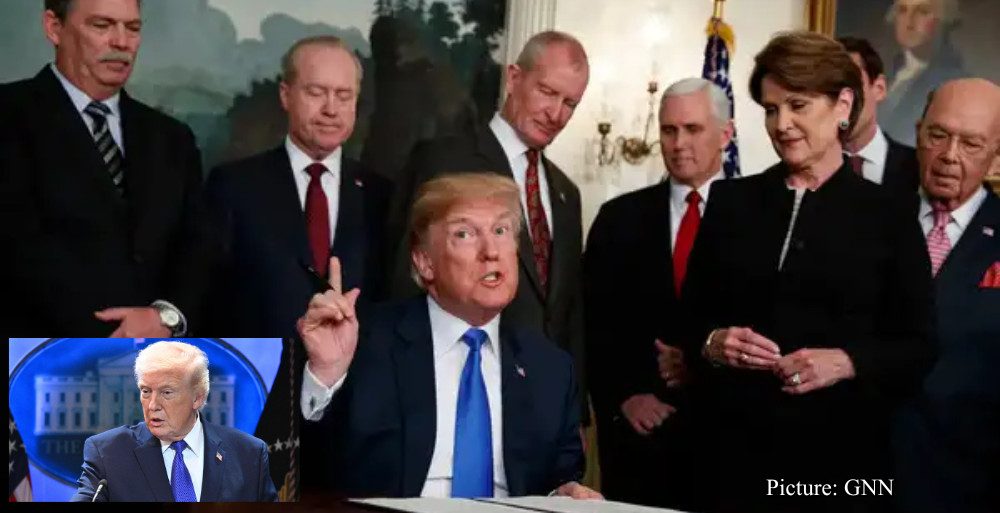
The ongoing debate over energy policy in the United States has taken a new turn as a coalition of Democratic lawmakers has formally urged the Trump administration to abandon its plans to significantly increase natural gas exports. This plea comes amid rising energy prices that have placed a financial burden on American households, seemingly at odds with President Trump’s repeated assurances of slashing utility bills.
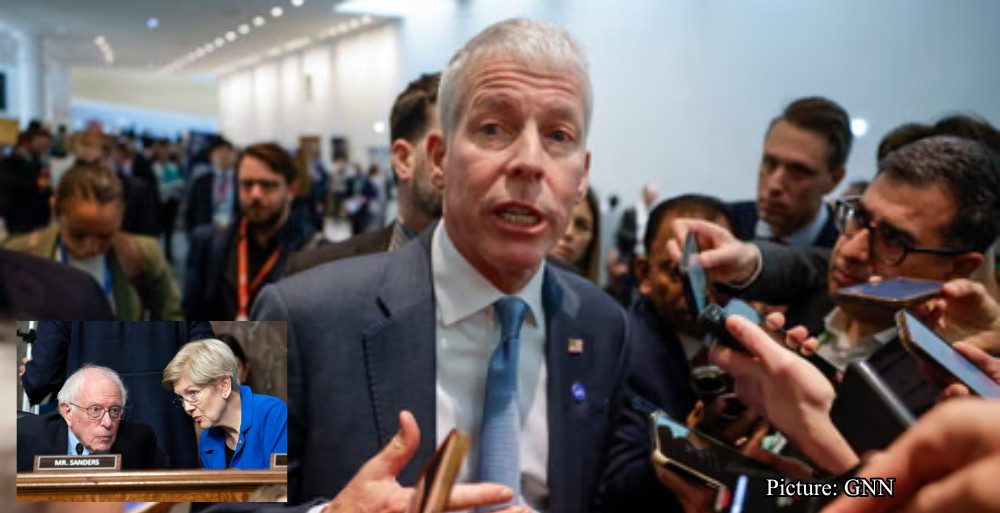
In a letter addressed to the then-Energy Secretary, the Democrats highlighted the adverse effects of the administration’s energy export policies on domestic energy prices. They argued that prioritizing exports over domestic consumption could lead to increased costs for American consumers, a scenario that directly contradicts the administration’s stated goal of putting America first. This appeal underscores a fundamental tension within U.S. energy policy: the balance between leveraging domestic resources for economic gain and ensuring affordable energy for the nation’s citizens.
Natural gas, often touted as a cleaner alternative to coal, has become a cornerstone of U.S. energy strategy. The shale revolution over the past two decades has transformed the United States from a net importer to a net exporter of natural gas. This shift has been driven by technological advancements in hydraulic fracturing and horizontal drilling, which have unlocked vast reserves of natural gas from shale formations across the country. The resulting surge in production has not only bolstered the U.S. economy but also positioned it as a major player in the global energy market.
However, the decision to double natural gas exports raises several critical questions. While exporting natural gas can indeed enhance the U.S.’s geopolitical leverage and reduce trade deficits, it also risks driving up domestic prices. The basic economic principle of supply and demand suggests that increased exports could tighten the domestic supply, leading to higher prices for American consumers. This potential price increase is particularly concerning at a time when many Americans are already grappling with the financial impacts of the COVID-19 pandemic, which has exacerbated economic inequalities and heightened the cost of living.
Moreover, the environmental implications of expanding natural gas exports cannot be overlooked. While natural gas burns cleaner than coal, it is still a fossil fuel that contributes to greenhouse gas emissions. Critics argue that increasing exports could undermine global efforts to combat climate change by encouraging greater reliance on fossil fuels. This concern is particularly salient as the world faces mounting pressure to transition to renewable energy sources and reduce carbon emissions to mitigate the impacts of climate change.
The Trump administration’s energy policies have consistently emphasized energy dominance, a strategy aimed at maximizing the exploitation of domestic energy resources to boost economic growth and strengthen national security. This approach has involved rolling back environmental regulations and promoting fossil fuel production, including natural gas. Proponents argue that these policies have created jobs, lowered energy costs, and enhanced energy independence. However, critics contend that they have also prioritized short-term economic gains over long-term sustainability and environmental stewardship.
The letter from Democratic lawmakers reflects broader concerns about the direction of U.S. energy policy under the Trump administration. It highlights the need for a more balanced approach that considers both economic and environmental factors. This debate is not new; it echoes longstanding tensions in American energy policy between economic growth and environmental protection, between energy independence and global responsibility.
As the Biden administration takes the reins, energy policy is likely to undergo significant shifts. President Biden has pledged to take bold action on climate change, including rejoining the Paris Agreement and investing in renewable energy. These commitments suggest a potential pivot away from fossil fuels and towards a more sustainable energy future. However, the transition will not be easy. It will require careful consideration of the economic impacts on industries and communities that have long depended on fossil fuels, as well as the development of new technologies and infrastructure to support renewable energy.
The debate over natural gas exports is emblematic of the broader challenges facing U.S. energy policy. It underscores the need for a comprehensive strategy that balances economic, environmental, and geopolitical considerations. As the world moves towards a low-carbon future, the United States must navigate these complex dynamics to ensure that its energy policies align with both domestic priorities and global responsibilities.
In conclusion, the call from Democratic lawmakers to reconsider the plan to double natural gas exports reflects a critical moment in U.S. energy policy. It highlights the tension between domestic economic interests and global environmental responsibilities, and underscores the need for a balanced approach that prioritizes the well-being of American consumers while also addressing the urgent challenge of climate change. As the Biden administration charts a new course on energy policy, it will be essential to engage in thoughtful dialogue and collaboration to ensure a sustainable and equitable energy future for all Americans.