








The Ice Memory Foundation is taking a novel approach to preserving crucial climate data by storing ice cores in a specially dug ice cave in Antarctica. These cores, which encapsulate thousands of years of Earth’s climatic history, are under threat from the rapidly warming planet. This initiative aims to safeguard these invaluable records for future generations of scientists and policymakers.
In the stark, frozen expanse of Antarctica, an ambitious project is underway that seeks to preserve the delicate and invaluable records of our planet’s climate history. The Ice Memory Foundation, a consortium of international scientists, has embarked on a mission to store ice cores in a specially constructed ice cave. This sanctuary is designed to protect these fragile samples from the ravages of climate change, which threatens to erase the very history they encapsulate.
Ice cores are cylindrical samples extracted from glaciers and ice sheets, and they hold within them tiny bubbles of ancient air, particulate matter, and isotopic compositions that provide a detailed chronology of Earth’s climatic past. These cores can reveal information about atmospheric composition, temperature fluctuations, and even volcanic eruptions, offering a window into the planet’s environmental conditions over millennia. As such, they are invaluable to scientists striving to understand the mechanisms of climate change and to predict future climatic shifts.
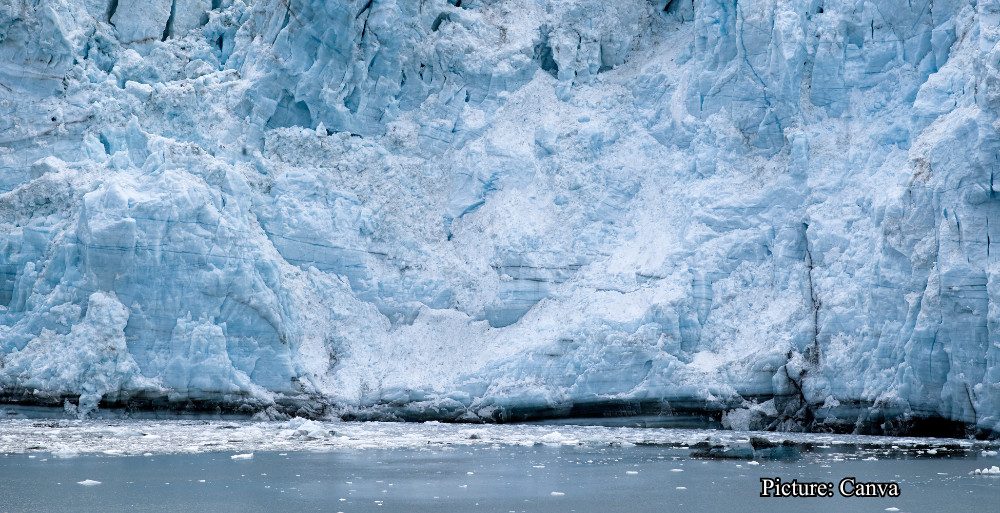
The initiative to store these samples in Antarctica is not only a testament to the urgency of the situation but also a reflection of the innovative strategies being employed to combat the threats posed by global warming. The Ice Memory Foundation’s project is particularly poignant given the alarming rate at which glaciers around the world are melting. As global temperatures continue to rise, these natural archives are at risk of disappearing, taking with them irreplaceable data about our planet’s climatic history.
Antarctica itself is a region that has been significantly impacted by climate change. The continent has seen some of the fastest rates of warming on the planet, with temperatures rising by nearly 3°C over the past 50 years in some areas. This warming has led to the destabilization of ice shelves and an increase in glacial melt, contributing to rising sea levels and altering oceanic currents. These changes have far-reaching implications not only for the local ecosystems but also for global weather patterns and sea level rise.
The decision to store ice cores in an Antarctic ice cave is both symbolic and practical. Symbolically, it represents a commitment to preserving the past in order to inform the future. Practically, it leverages the natural cold of the Antarctic environment to maintain the integrity of the samples. The cave itself is an engineering marvel, designed to withstand the harsh conditions of the continent while providing a stable environment for the ice cores. It is located in a region that is expected to remain cold and stable for the foreseeable future, ensuring that the samples remain preserved for decades, if not centuries.
This project is part of a broader trend in scientific circles to prioritize the preservation of climate data. As the reality of climate change becomes more pressing, there is a growing recognition of the need to safeguard the records that can help us understand and mitigate its impacts. Initiatives like the Ice Memory Foundation’s are crucial in this regard, as they ensure that future generations will have access to the data they need to continue the fight against climate change.
Moreover, the project highlights the importance of international collaboration in addressing global challenges. The Ice Memory Foundation is a consortium of scientists from around the world, and their work is supported by a network of research institutions and governments. This collaborative approach is essential in the context of climate change, which is a global problem that requires a coordinated response.
The preservation of ice cores in Antarctica is a reminder of the delicate balance that exists between the natural world and human activity. As we continue to grapple with the consequences of climate change, it is crucial that we take steps to protect the natural archives that hold the key to understanding our planet’s past. By safeguarding these records, we not only honor the work of the scientists who have dedicated their lives to studying them but also provide a legacy for future generations who will continue the quest for knowledge and solutions.
In conclusion, the Ice Memory Foundation’s project is a beacon of hope in the fight against climate change. It is a reminder that even in the face of daunting challenges, there are innovative solutions and dedicated individuals working tirelessly to preserve our planet’s history. As the world continues to warm, the need for such initiatives will only grow, underscoring the importance of preserving the past to inform the future.