








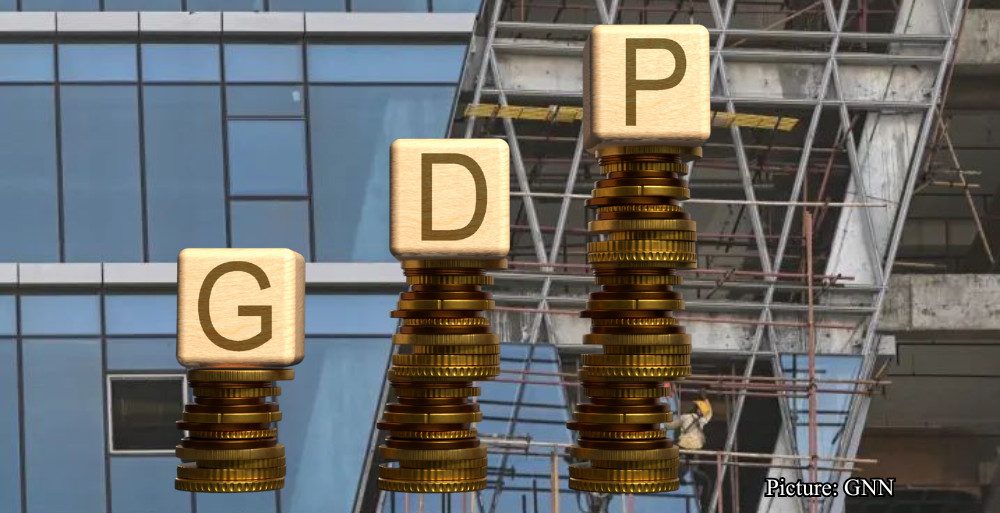
India’s GDP grew 7.8% in the December quarter, surpassing expectations, driven by strong private consumption, robust manufacturing, and improved measurement of fast-growing sectors — demonstrating the economy’s resilience despite global trade challenges and U.S. tariffs.
India’s economy expanded at a faster-than-expected pace of 7.8% in the October–December quarter, exceeding a Reuters poll of economists who had forecast 7.2% growth.
The latest GDP figure follows a government overhaul of the framework used to calculate economic output, aimed at improving accuracy and reliability. Under the new series, the previous quarter’s GDP growth of 8.2% has been revised upward to 8.4%, while the growth forecast for the 2026 financial year has been raised to 7.6% from 7.4%.
“The GDP data exceeded both our and consensus expectations,” said Alexandra Hermann, lead economist at Oxford Economics.
In January, India’s Ministry of Statistics & Programme Implementation (MoSPI) introduced changes to GDP, inflation, and industrial production data to strengthen credibility and policy relevance. Among the key updates, the GDP base year has shifted from 2012 to 2023, allowing for improved capture of fast-growing sectors in the economy. Hermann added that the new methodology suggests the measured growth trajectory is likely to be structurally higher.
Private consumption and gross fixed capital formation both grew at more than 7% in the current financial year, with the manufacturing sector identified as the major driver of India’s resilient performance over the past three years post-rebasing, MoSPI said.
Last year, the International Monetary Fund had raised concerns about the accuracy of India’s economic data, giving it a “C grade” — its second-lowest rating — citing outdated base years and measurement limitations. “The new GDP series will largely address the concerns of the IMF, and we expect their assessment and rating of India’s national accounts data will change,” said Saurabh Garg in an interview.
During the December quarter, domestic consumption saw seasonal upticks in gold and automobile purchases. Exporters, however, faced challenges from U.S. tariffs, which had imposed a 50% duty on several Indian goods since August last year. A subsequent interim trade deal reduced the tariff to 18%, and following the U.S. Supreme Court’s recent ruling limiting President Donald Trump’s tariff powers, Washington now levies a global 10% tariff with the option to raise it further.
Despite these headwinds, India’s economic growth has remained robust, with exporters of textiles, marine products, gems and jewelry, auto components, and leather goods successfully finding alternative markets, according to government data.
The December-quarter performance underscores India’s ongoing economic resilience amid global trade uncertainties and methodological improvements in measuring its GDP.