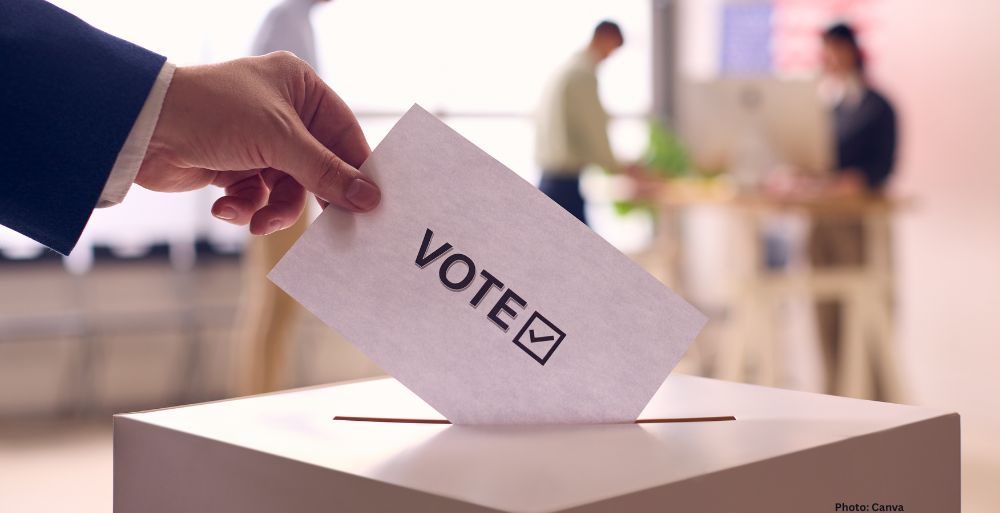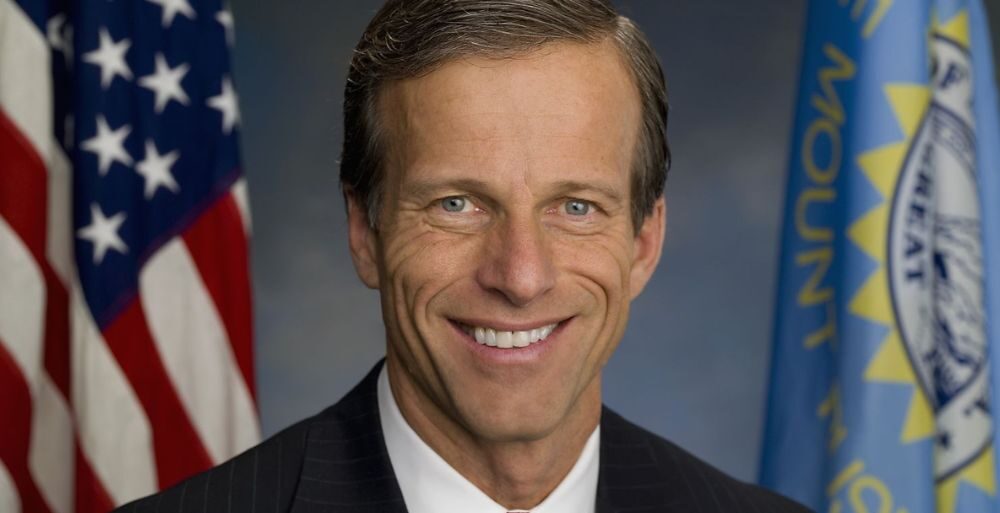








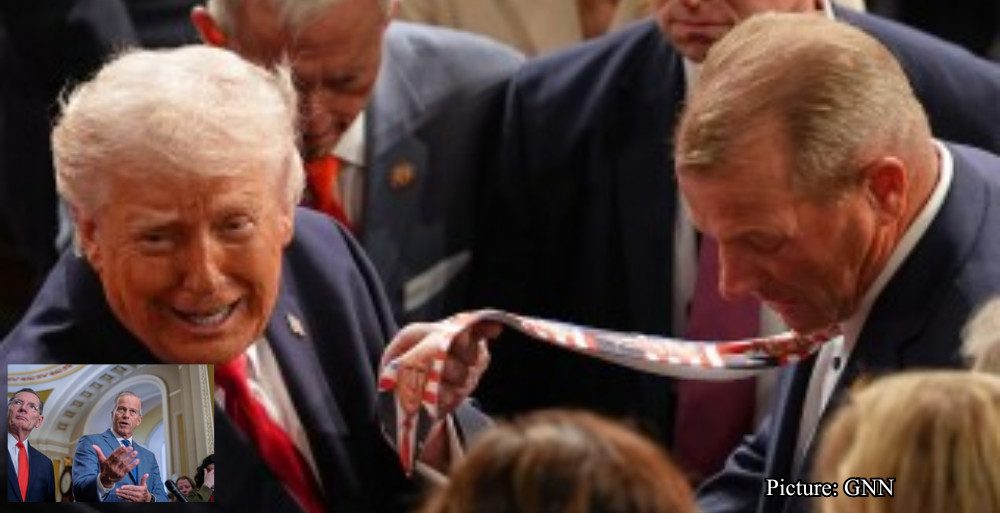
The SAVE Act, an election-year bill proposing stringent proof-of-citizenship requirements for voting, faces significant hurdles in the Senate despite President Donald Trump’s urgent calls for its passage.
In the complex landscape of American politics, few issues ignite as much passion and controversy as voting rights. The SAVE Act, a piece of legislation designed to impose rigorous proof-of-citizenship requirements on voters, has become the latest flashpoint in this ongoing debate. Despite President Donald Trump’s fervent appeal during his State of the Union address, urging Republicans to prioritize the bill, it appears to have hit a roadblock in the Senate.
The SAVE Act, short for Secure America’s Voting Elections Act, aims to mandate that all voters provide documented proof of citizenship before casting their ballots. Proponents argue that the legislation is essential to safeguarding the integrity of elections, preventing voter fraud, and ensuring that only eligible citizens participate in the democratic process. Critics, however, contend that the bill is a thinly veiled attempt at voter suppression, disproportionately affecting minority groups, the elderly, and low-income individuals who may face challenges in obtaining the necessary documentation.
The bill’s stalling in the Senate is emblematic of the broader partisan divide on voting rights. While Republicans generally support measures they claim will enhance election security, Democrats argue that such laws are unnecessary and designed to disenfranchise vulnerable populations. This tension is not new; it echoes historical struggles over voting rights in the United States, from the Jim Crow laws to the more recent battles over voter ID laws.
President Trump’s call for the bill’s passage reflects a broader strategy to rally his base ahead of the upcoming elections. By framing the SAVE Act as a crucial step in protecting American democracy, Trump seeks to energize voters who are concerned about election integrity. However, the legislative reality is more complicated. The Senate, with its procedural rules and the need for a supermajority to overcome filibusters, presents a formidable obstacle to the bill’s advancement.
Senate Majority Leader Mitch McConnell faces a delicate balancing act. On one hand, he must navigate the demands of the President and the conservative wing of his party, who view the SAVE Act as a litmus test for loyalty to Trump’s agenda. On the other hand, he must consider the political ramifications of pushing through a controversial bill that could alienate moderate voters and energize the opposition.
Historically, efforts to impose stricter voting requirements have faced legal challenges, often ending up in the courts. The SAVE Act, if passed, would likely be no exception. Legal experts anticipate that the bill would face immediate lawsuits challenging its constitutionality, particularly under the Voting Rights Act and the Fourteenth Amendment. The Supreme Court, which has taken a more conservative turn in recent years, could ultimately play a decisive role in determining the fate of such legislation.
The debate over the SAVE Act also highlights the broader issue of election security in the digital age. As concerns about foreign interference and cyber threats grow, policymakers are grappling with how to protect the electoral process without infringing on individual rights. While proof-of-citizenship requirements are one approach, experts argue that a comprehensive strategy should also include measures to secure voting infrastructure, enhance transparency, and ensure public confidence in election outcomes.
As the Senate deliberates the SAVE Act, the stakes are high. The outcome will not only impact the upcoming elections but also set a precedent for future voting legislation. For now, the bill remains in legislative limbo, a symbol of the deep divisions that characterize American politics today.
The SAVE Act’s journey through Congress is far from over. As lawmakers continue to debate its merits and drawbacks, the American public watches closely, aware that the decisions made in the halls of power will shape the democratic landscape for years to come. Whether the bill ultimately passes or falters, it serves as a reminder of the enduring struggle to balance security and accessibility in the electoral process.