








Such repeated incidents of racial abuse are unacceptable and a blot on our rich and diverse cultural heritage. Every citizen has the right to live with dignity and respect, regardless of their origin or background. There is absolutely no place for hatred, discrimination, intimidation, or racial abuse in our society.
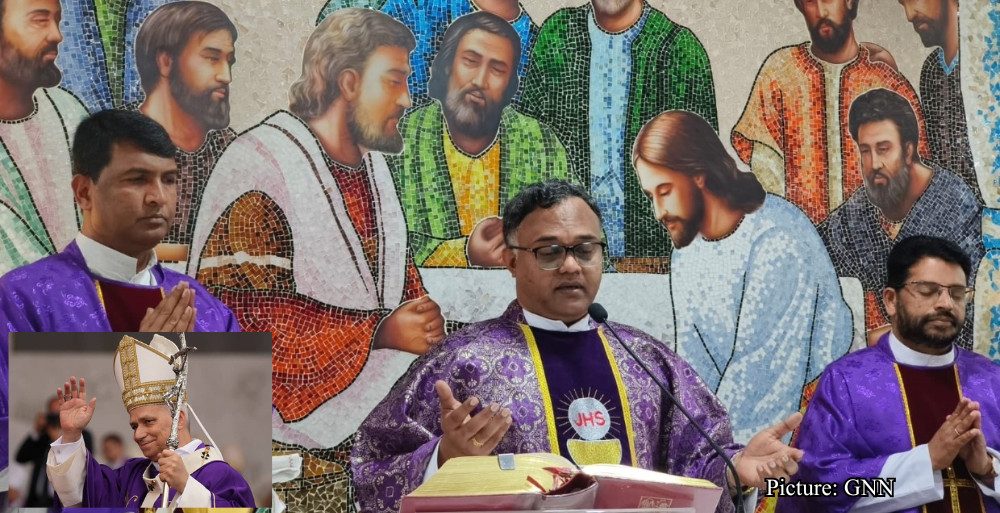
The Catholic Bishops’ Conference of India has strongly condemned what it described as a “shameful act of racial abuse and harassment” against young women from Northeast India in the national capital, joining political and social leaders in demanding accountability.
In a statement issued on February 26, the conference said such repeated incidents across the country are “unacceptable and a blot on our rich and diverse cultural heritage.”
The remarks came a day after Delhi Police arrested a woman in connection with an alleged case of racial abuse and criminal intimidation involving three tenants from Arunachal Pradesh in South Delhi’s Malviya Nagar area.
According to reports, the women were supervising electrical installation work at their rented fourth-floor apartment when dust and debris from drilling fell into the flat below, leading to a dispute with neighbours. In their police complaint, the tenants alleged that the accused verbally abused them, made derogatory racial remarks about their northeastern identity, used objectionable language, insulted their modesty, and issued threats.
“We appreciate the prompt action taken by the Delhi Police in this matter,” the bishops’ conference said in a statement issued by Father Robinson Rodrigues, its public relations officer. The body also urged the Union and state governments to raise public awareness about the diverse cultures, languages, and traditions of Northeast India and to ensure the safety and dignity of citizens from the region.
Reaffirming its stand against discrimination, the conference said every citizen has the right to live with dignity and respect, regardless of origin or background. It called on fellow citizens to promote unity, understanding, and respect for diversity.
On February 25, Delhi Chief Minister Rekha Gupta met the affected women and promised the “strictest action” against those responsible. In a post on X, she said there was no place in Delhi for hatred, discrimination, intimidation, or racial abuse.
Chief ministers from several northeastern states also reacted strongly. Pema Khandu said such behavior was unacceptable and had no place in society. “We stand firmly with our three sisters, and their safety, dignity, and justice remain our highest priority,” he said.
Prem Singh Tamang of Sikkim described the Malviya Nagar incident as a reminder of the need to uphold dignity and mutual respect at all times, emphasizing that the Northeast is an integral part of the nation and that every citizen deserves equality and respect.
Conrad K. Sangma, Chief Minister of Meghalaya, said discrimination against people from the Northeast must end. He also referred to another recent case involving alleged racial and sexual abuse of a resident doctor at AIIMS Gorakhpur from Nagaland.
The national capital has witnessed several such incidents in recent years. On January 8, 24-year-old student Angel Chakma from Tripura died in hospital nearly 17 days after being attacked. The same day, Arjun Rimo from Arunachal Pradesh was allegedly assaulted in Karol Bagh following a verbal altercation in which racial slurs were reportedly used.
In one of the most high-profile cases, Nido Taniam, a 20-year-old student from Arunachal Pradesh, was beaten to death in Delhi’s Lajpat Nagar on January 29, 2014, after resisting racial taunts about his appearance. The incident prompted the Ministry of Home Affairs to form the Bezbaruah Committee to address concerns of people from the Northeast living in other parts of the country.