







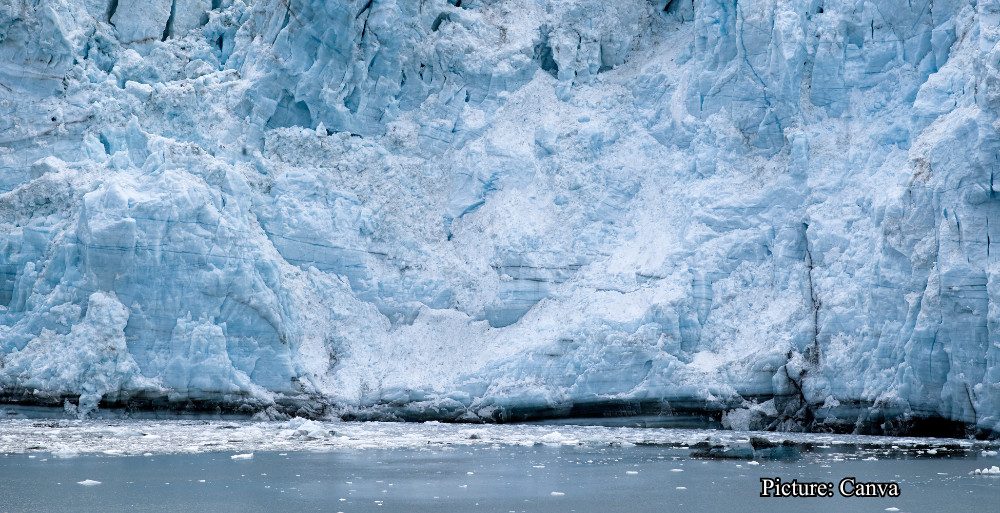
Antarctica’s Hektoria Glacier recently experienced an unprecedented retreat, moving back eight kilometers in a mere two months, a phenomenon that has left scientists astounded. This rapid disintegration, captured through satellite and seismic data, was primarily due to the glacier’s flat, underwater bedrock, which allowed it to become buoyant and fracture from beneath. The event raises alarming questions about the potential for larger glaciers to undergo similar rapid collapses, with significant implications for global sea levels and climate change.
The recent collapse of the Hektoria Glacier in Antarctica represents a stark reminder of the dynamic and often unpredictable nature of our planet’s cryosphere. In a dramatic display of nature’s power, this glacier retreated a staggering eight kilometers in just two months, a record-breaking speed that has left the scientific community both shocked and deeply concerned. This extraordinary event was meticulously documented through a combination of satellite imagery and seismic data, offering an unprecedented view into the mechanics of glacier disintegration.
The primary factor behind this rapid collapse was the glacier’s interaction with its underlying bedrock. Unlike many glaciers that are anchored by jagged, uneven surfaces, Hektoria Glacier rests on a flat, smooth bedrock. This unique geological feature allowed the glacier to become buoyant, effectively floating and fracturing from below. As the ice lost its grip on the bedrock, it began to break apart, creating a chain reaction that saw nearly half of the glacier disintegrate in record time.
This phenomenon is not just a local curiosity but a warning sign of broader implications for the Antarctic ice sheet and global sea levels. Glaciers act as critical indicators of climate health, and their rapid retreat is often a harbinger of rising temperatures and shifting climate patterns. The Hektoria event underscores the vulnerability of glaciers that rest on similar bedrock formations, suggesting that they too could be susceptible to sudden collapses.
Historically, the study of glaciers has provided vital clues about the Earth’s past climate. Ice cores extracted from glaciers contain trapped air bubbles, which serve as time capsules, preserving atmospheric conditions from thousands of years ago. These records have been instrumental in understanding the natural variability of Earth’s climate and the impact of human activities. However, the current pace of glacier retreat far exceeds natural historical fluctuations, indicating a significant anthropogenic influence.
The implications of such rapid glacier collapses are profound. Antarctica holds the vast majority of the world’s fresh water in its ice sheets, and even small changes in its ice mass can have significant effects on global sea levels. The potential for larger glaciers, such as the Thwaites or Pine Island glaciers, to experience similar collapses is a scenario that climate scientists are increasingly concerned about. The Thwaites Glacier, often referred to as the