









As international travel becomes increasingly accessible, ensuring personal safety while abroad remains a top priority for many travelers. With the advent of digital technology, receiving timely emergency alerts while traveling overseas can be a crucial component of a safe travel experience.
In today’s interconnected world, the allure of international travel is stronger than ever. With the upcoming spring break season, many are planning their escapes to exotic destinations. However, the excitement of exploring new cultures and landscapes should be balanced with a keen awareness of personal safety. This is where the importance of receiving emergency alerts while traveling overseas comes into play.
Emergencies can strike at any moment, and being in a foreign land can amplify the sense of vulnerability. Whether it’s a natural disaster, political unrest, or a health crisis, staying informed about potential threats is crucial for any traveler. Fortunately, modern technology has made it easier than ever to stay connected and receive timely updates, often at no cost.
One of the most effective ways to receive emergency alerts is through mobile apps designed specifically for this purpose. The U.S. Department of State offers the Smart Traveler Enrollment Program (STEP), which is a free service that allows U.S. citizens and nationals traveling abroad to enroll their trip with the nearest U.S. Embassy or Consulate. By enrolling in STEP, travelers receive important information from the Embassy about safety conditions in their destination country, helping them make informed decisions about their travel.
In addition to government services, there are several third-party apps available that provide real-time alerts. Apps such as SafeTravel and TravelSmart offer notifications about safety risks, travel advisories, and even local emergency contact information. These apps often use GPS technology to tailor alerts specific to the traveler’s location, ensuring that the information is relevant and timely.
For those who prefer not to rely solely on apps, SMS-based alert systems are another viable option. Many countries have their own emergency alert systems that can be accessed by travelers. For instance, Japan’s J-Alert system provides warnings about earthquakes, tsunamis, and other emergencies. By simply registering a mobile number with these services, travelers can receive important updates directly to their phones.
While technology provides a plethora of options to stay informed, there are several practical steps travelers can take to enhance their safety. Before embarking on a trip, researching the destination’s local emergency services and understanding the basic language for emergencies can be invaluable. Knowing how to say “help” or “emergency” in the local language can make a significant difference in a crisis situation.
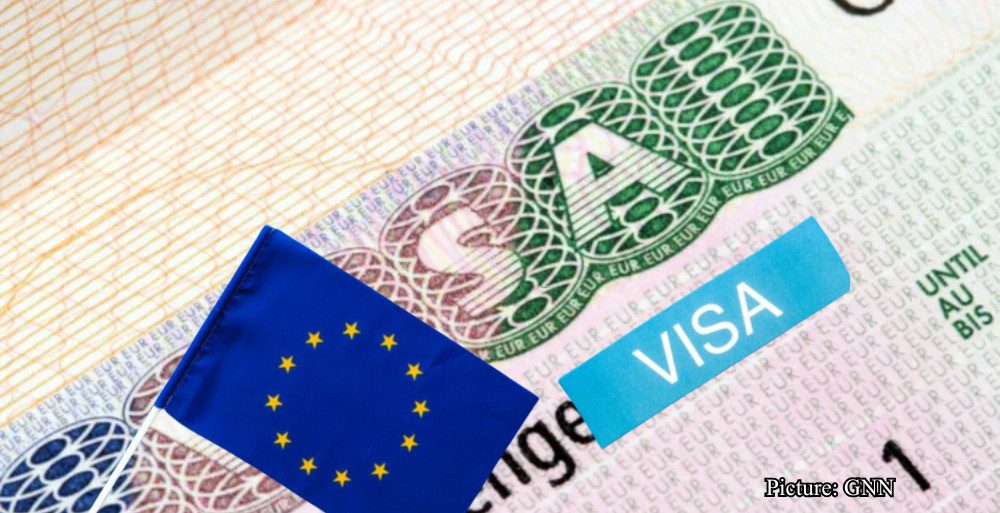
Moreover, travelers should always have a contingency plan in place. This includes having copies of important documents such as passports, visas, and travel insurance policies. Keeping these documents in both physical and digital formats ensures they are accessible when needed. Additionally, sharing travel itineraries with family or friends back home can provide an extra layer of security.
Travel insurance is another critical component of safe travel. While it may not prevent emergencies, it can provide financial protection and support in the event of a crisis. Many travel insurance policies offer coverage for medical emergencies, trip cancellations, and even evacuations, which can be lifesaving in dire situations.
In the broader context, the increasing availability of free emergency alert systems reflects a growing recognition of the need for traveler safety in an unpredictable world. As global travel continues to rise, so too does the responsibility of governments and organizations to protect their citizens abroad. The integration of technology into travel safety protocols is a testament to the advancements in this field, offering peace of mind to travelers and their loved ones.
In conclusion, while the thrill of international travel is undeniable, it is imperative to remain vigilant and prepared for any eventuality. By leveraging the available resources and taking proactive measures, travelers can enjoy their adventures with the confidence that they are well-informed and ready to respond to emergencies. As we approach the bustling spring break travel season, let safety and preparedness be the guiding principles for all those venturing beyond their borders.