







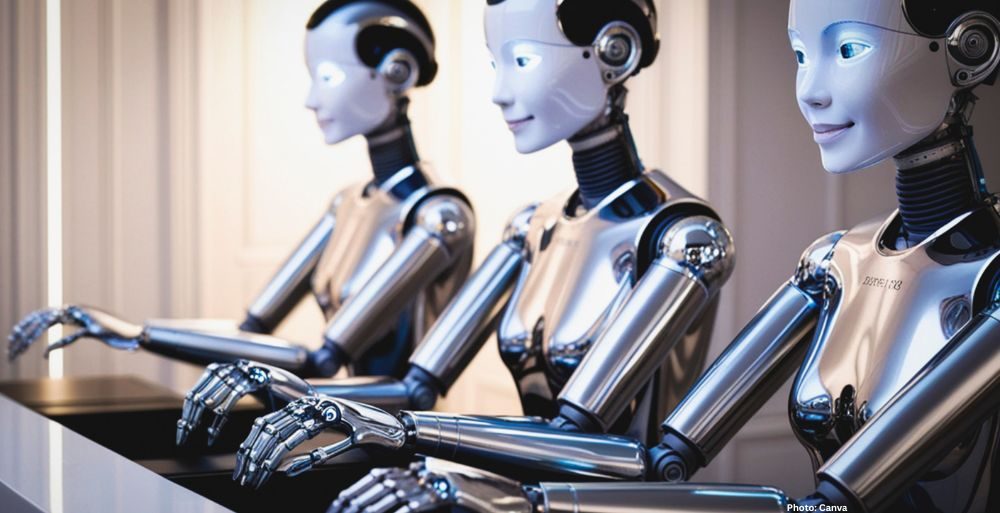
The rapid advancement in artificial intelligence and robotics technology is poised to revolutionize the labor market, with projections suggesting that AI robots could outnumber human workers in the coming decades. This shift is driven by significant investments and technological breakthroughs that are accelerating the pace at which humanoid robots are becoming economically viable alternatives to human labor.
The notion that robots could outnumber human workers in the near future might once have seemed like a far-fetched science fiction scenario. However, as investment in artificial intelligence and robotics continues to surge, this possibility is becoming increasingly plausible. According to a former Citi executive, humanoid robots are already available on the market with a payback period of less than ten weeks compared to human workers. This statement underscores the rapid progress being made in the field, as well as the potential economic incentives for businesses to adopt robotic solutions.
Historically, the development of artificial intelligence and robotics has been driven by a combination of technological innovation and market demand. The industrial revolution set the stage for mechanization, which gradually evolved into automation with the advent of computers. Today, we find ourselves on the cusp of a new era where machines are not only performing repetitive tasks but are also capable of learning, adapting, and interacting with their environment in ways that were previously unimaginable.
The economic implications of this shift are profound. As robots become more capable and cost-effective, businesses are likely to seek ways to integrate them into their operations. This trend is already evident in industries such as manufacturing, logistics, and customer service, where robots are being used to perform tasks ranging from assembly line work to inventory management and customer interactions. The potential for cost savings, increased efficiency, and enhanced productivity is driving companies to invest heavily in AI and robotic technologies.
However, the rise of robots in the workforce also raises important questions about the future of employment. While robots can handle certain tasks with greater precision and consistency than humans, they lack the creativity, empathy, and complex decision-making skills that are inherent to human workers. This dichotomy suggests that while some jobs may be replaced by robots, others will evolve to require a combination of human and machine capabilities.
The potential displacement of workers by robots has sparked debates about the societal and economic impacts of automation. On one hand, the integration of robots into the workforce could lead to increased productivity and economic growth. On the other hand, it raises concerns about job displacement and the need for workers to acquire new skills to remain relevant in a changing job market.
To address these challenges, policymakers, educators, and businesses must work together to develop strategies that support workforce transition and reskilling. Initiatives such as lifelong learning programs, vocational training, and public-private partnerships can help workers adapt to new roles and technologies. Additionally, there is a growing emphasis on the importance of developing soft skills, such as critical thinking, communication, and emotional intelligence, which are less susceptible to automation.
In the broader context, the rise of AI and robotics also has implications for global competitiveness. Countries that lead in AI and robotics innovation are likely to have a competitive advantage in the global economy. As a result, there is a race among nations to invest in research and development, cultivate talent, and create favorable regulatory environments for AI and robotics companies.
Furthermore, the ethical considerations surrounding the use of AI and robots cannot be ignored. Issues such as data privacy, algorithmic bias, and the ethical treatment of autonomous systems are critical areas that require careful consideration. Ensuring that AI and robotics are developed and deployed in a manner that aligns with societal values and ethical standards is essential to building public trust and acceptance.
As we look to the future, it is clear that the integration of AI and robots into the workforce will continue to accelerate. While the prospect of robots outnumbering human workers presents both opportunities and challenges, it also offers a chance to rethink and reshape the nature of work. By embracing innovation and proactively addressing the associated challenges, we can create a future where humans and machines work together to achieve greater efficiency, creativity, and prosperity.