






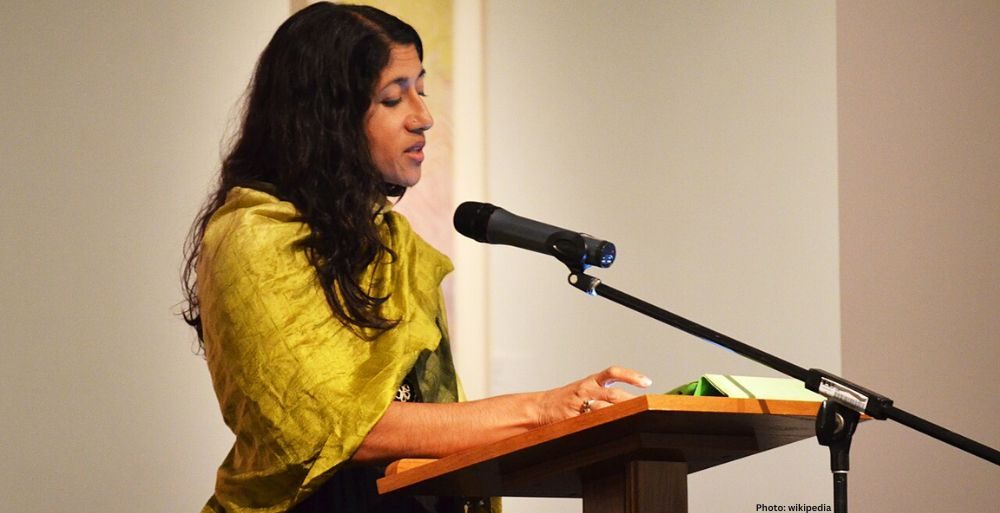
Padma Viswanathan, a Canadian-American writer and translator of Indian heritage, has been longlisted for the prestigious International Booker Prize 2026 for her English translation of Ana Paula Maia’s novel, ‘On Earth As It Is Beneath.’ The novel is noted for its stark portrayal of a landscape marred by the legacies of slavery and colonialism.
In the realm of literature, the act of translation is often perceived as a bridge between cultures, a delicate and intricate craft that requires not only linguistic proficiency but also a deep understanding of the cultural nuances embedded within the original text. It is within this complex interplay of language and culture that Padma Viswanathan has made her mark, earning a place on the International Booker Prize 2026 longlist. Her translation of Ana Paula Maia’s ‘On Earth As It Is Beneath’ is a testament to her skill and sensitivity as a translator, as well as her ability to navigate the challenging terrains of history and memory.
Viswanathan’s recognition is particularly significant given the context of the novel she has translated. Ana Paula Maia, a Brazilian author known for her gritty and unflinching narratives, delves into themes of exploitation and resilience in ‘On Earth As It Is Beneath.’ The novel is set against the backdrop of a land scarred by the historical atrocities of slavery and colonialism, a theme that resonates deeply with global audiences as societies continue to grapple with the legacies of these dark chapters in history. Viswanathan’s translation captures not only the stark realities painted by Maia but also the underlying humanity and hope that permeate the narrative.
Padma Viswanathan’s journey as a translator is as fascinating as the stories she brings to life. Born in India and raised in Canada, Viswanathan has always been at the crossroads of multiple cultures. Her own writings, including novels like ‘The Toss of a Lemon’ and ‘The Ever After of Ashwin Rao,’ often explore themes of identity, diaspora, and the intersections of culture and history. These themes naturally lend themselves to her work in translation, where she must inhabit the world of another writer and convey it faithfully to a new audience.
The International Booker Prize, distinct from its Man Booker counterpart, celebrates the art of translation by recognizing both the author and the translator. This dual recognition underscores the importance of translation in the literary world—a field that is often underappreciated despite its critical role in the dissemination of global literature. By highlighting works like Viswanathan’s translation of Maia’s novel, the prize not only acknowledges the translator’s contribution but also encourages readers to engage with literature beyond linguistic boundaries.
Viswanathan’s achievement also highlights the increasing prominence of translators of Indian origin on the global literary stage. In recent years, there has been a noticeable rise in the number of Indian-origin translators who have gained international acclaim. This trend reflects broader shifts in the literary landscape, where diverse voices and perspectives are being sought and celebrated. The inclusion of Viswanathan on the International Booker longlist is a recognition of her talent and a nod to the growing influence of Indian-origin writers and translators in the world of literature.
The novel ‘On Earth As It Is Beneath’ itself is a powerful exploration of the human condition. Ana Paula Maia, through her vivid and often harrowing prose, brings to life a world where the scars of history are ever-present, yet where the resilience of the human spirit shines through. The narrative is unflinching in its portrayal of the brutality of the past, but it also offers glimpses of redemption and hope. Viswanathan’s translation captures this duality, offering English-speaking readers a window into a world that is both foreign and familiar.
In translating such a work, Viswanathan has had to navigate the delicate balance between staying true to the original text and making it accessible to a new audience. This involves not only linguistic translation but also cultural translation—conveying the subtleties of Brazilian culture and history to readers who may not be familiar with them. Viswanathan’s success in this endeavor speaks to her deep understanding of both the source and target cultures, as well as her ability to convey complex themes with clarity and empathy.
As the literary world continues to evolve, the role of the translator becomes ever more crucial. In an increasingly interconnected world, the ability to access and understand literature from diverse cultures is invaluable. Translators like Padma Viswanathan play a key role in this process, acting as cultural ambassadors who bring the richness of global literature to a wider audience. Her inclusion on the International Booker Prize longlist is a testament to the vital role that translators play in the literary ecosystem and a celebration of the power of translated literature to transcend borders and connect us all.
In conclusion, Padma Viswanathan’s recognition by the International Booker Prize 2026 is not only a personal achievement but also a significant milestone for the field of translation. Her work on Ana Paula Maia’s ‘On Earth As It Is Beneath’ exemplifies the artistry and dedication required to bring stories from one language and culture to another. As readers, we are reminded of the importance of embracing diverse voices and narratives, and of the profound impact that literature can have in fostering understanding and empathy across cultures. Viswanathan’s achievement is a beacon of the transformative power of literature and a reminder of the enduring relevance of the translator’s craft in our globalized world.