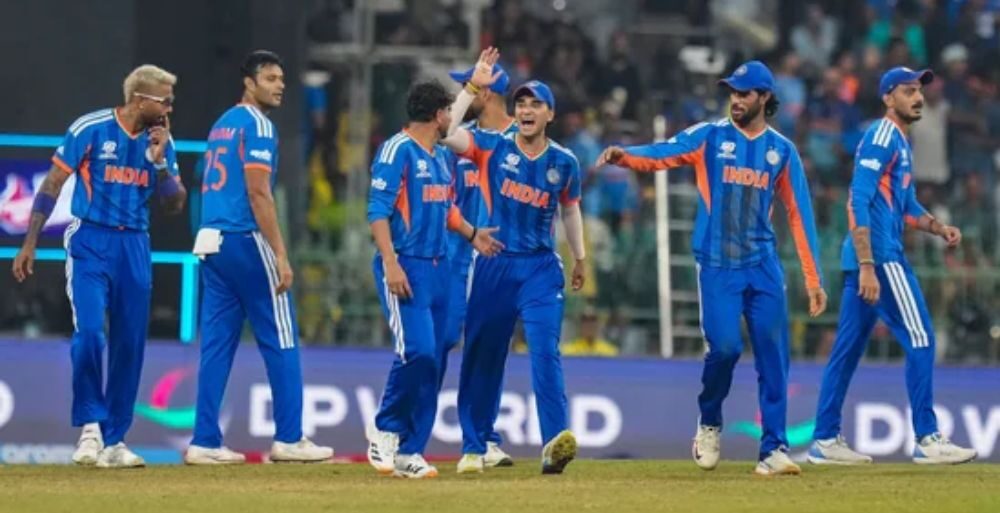





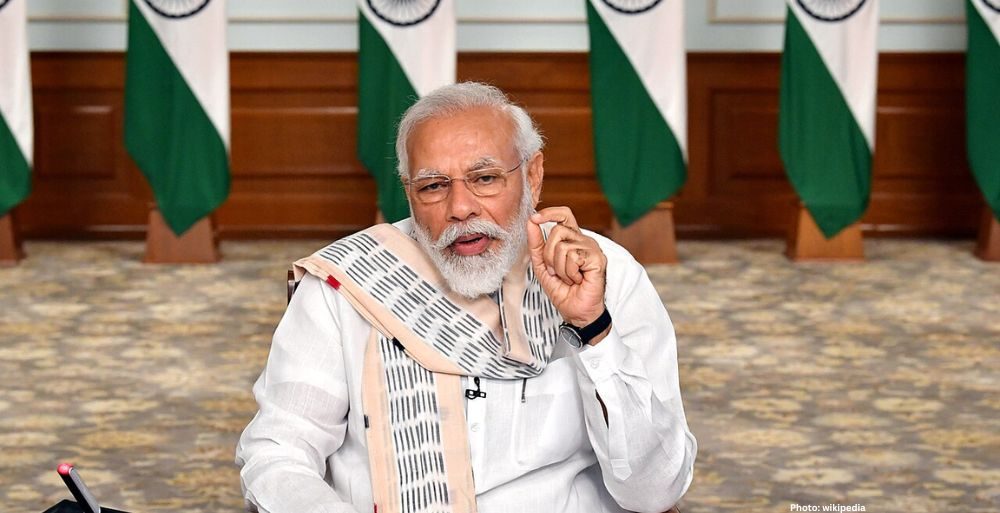
Indian Prime Minister Narendra Modi recently highlighted the significant contributions of Indian-origin players in the cricket teams of the USA and Canada, emphasizing the global reach and influence of Indian talent in sports. This acknowledgment not only underscores the diaspora’s involvement in cricket but also reflects on the broader cultural and sporting ties between India and North America.
In a world where cricket is often seen as a colonial relic, its evolution into a global sport is both fascinating and complex. The game, traditionally dominated by countries like England, Australia, and India, has witnessed a remarkable transformation with the emergence of new cricketing nations. Among these, the United States and Canada are noteworthy not just for their burgeoning interest in cricket but also for the significant presence of Indian-origin players within their national teams.
Prime Minister Narendra Modi’s recent remarks about Indian talent in the USA and Canada cricket teams serve as a testament to the sport’s growing footprint beyond its conventional strongholds. His comments, delivered during a high-profile event, were not only a nod to the contributions of the Indian diaspora but also a recognition of cricket’s potential as a bridge between cultures and nations.
The history of cricket in North America is both rich and intriguing. Cricket was once the dominant sport in the United States during the 18th and 19th centuries, with the first international cricket match played between the USA and Canada in 1844. However, the rise of baseball in the early 20th century overshadowed cricket, relegating it to a niche sport. In Canada, cricket maintained a steady, albeit low-profile, presence, supported by immigrants from cricket-loving nations.
In recent years, however, there has been a renaissance of sorts. The influx of immigrants from South Asia, particularly India, Pakistan, and Sri Lanka, has reinvigorated interest in cricket across North America. These communities have brought with them not just a passion for the game but also the skills and expertise necessary to elevate the standards of cricket in their adopted countries.
Indian-origin players have been at the forefront of this resurgence. In the USA, players like Saurabh Netravalkar, who captains the national team, and Monank Patel, have become household names among cricket enthusiasts. Netravalkar, a former India Under-19 player, has been instrumental in leading the USA to significant victories in international tournaments. His journey from Mumbai to the USA is emblematic of the broader narrative of Indian talent seeking opportunities on the global stage.
Similarly, in Canada, players of Indian descent have played pivotal roles in the national team’s successes. The Canadian cricket team, which has participated in several ICC World Cups, boasts a roster that frequently includes players with roots in the Indian subcontinent. Their presence is not just a reflection of the demographic shifts within Canada but also an indication of the country’s growing ambitions in international cricket.
Prime Minister Modi’s acknowledgment of these players is significant not just for its diplomatic implications but also for its cultural resonance. Cricket, often seen as a soft power tool, has the unique ability to foster goodwill and understanding between nations. Modi’s remarks highlight how sports, and cricket in particular, can serve as a conduit for strengthening ties between India and the North American continent.
The burgeoning cricket scene in the USA and Canada is also indicative of broader trends in the sports industry. The rise of Twenty20 leagues, such as the Indian Premier League (IPL) and the Caribbean Premier League (CPL), has demonstrated the commercial viability of cricket. North America, with its vast market and diverse population, presents a lucrative opportunity for cricket’s expansion. The establishment of Major League Cricket (MLC) in the USA is a step in this direction, aiming to replicate the success of the IPL by attracting top talent and engaging a wide audience.
Furthermore, the involvement of Indian-origin players in North American cricket teams is emblematic of the diaspora’s broader contributions to various sectors, including technology, business, and academia. Their success in cricket mirrors their achievements in these fields, showcasing the multifaceted impact of Indian immigrants in their new homelands.
As cricket continues to grow in popularity across the USA and Canada, the role of Indian-origin players will likely become even more pronounced. Their presence not only enhances the competitive standards of the teams but also serves as an inspiration for young players from diverse backgrounds. In a sport that thrives on talent and passion, the contributions of these players are invaluable.
In conclusion, Prime Minister Modi’s recognition of Indian talent in the USA and Canada cricket teams is a reflection of the sport’s evolving landscape. It underscores the importance of cricket as a cultural bridge and highlights the potential for deeper sporting ties between India and North America. As the game continues to spread its wings, the contributions of Indian-origin players will remain a crucial element in its global narrative.