







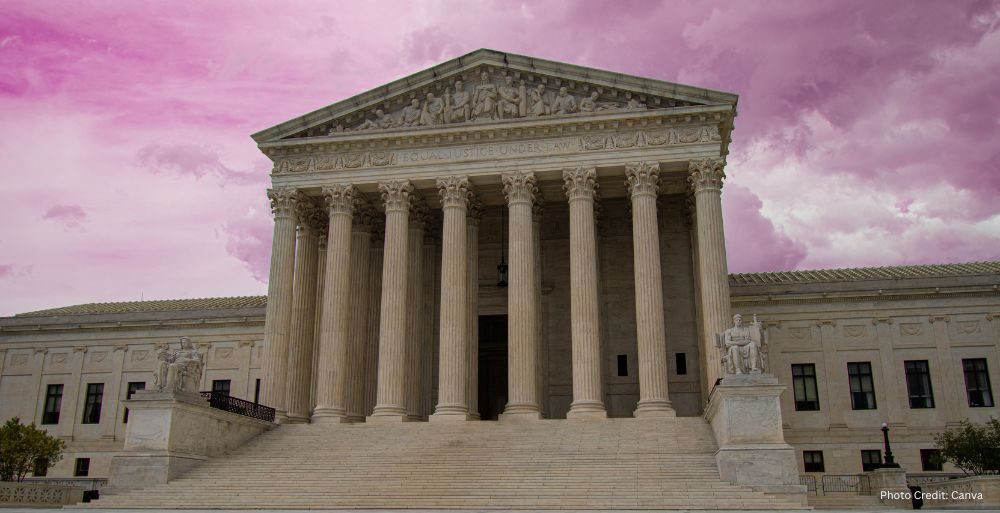
The U.S. Supreme Court delivered a significant legal rebuke to President Donald Trump on Friday, ruling that his sweeping global tariffs were unlawful because he overstepped his constitutional authority. The 6–3 decision marks a major check on presidential power and has wide-ranging implications for U.S. trade policy and the global economy.
Chief Justice John Roberts, writing for the majority, said the tariffs — imposed under the International Emergency Economic Powers Act (IEEPA) of 1977 — exceeded the president’s authority because the statute was never intended to grant unilateral tariff-setting power. Roberts stressed that only Congress has the constitutional authority to levy taxes and tariffs, rejecting the administration’s interpretation that IEEPA allowed broad import duties without explicit legislative approval.
The ruling came in litigation brought by businesses and a group of 12 U.S. states challenging the legality of the tariffs, which Trump had tied to alleged national emergencies and trade deficits. The justices agreed with lower court rulings that the IEEPA did not authorize tariff powers of this scale.
In dissent, conservative Justices Brett Kavanaugh, Clarence Thomas, and Samuel Alito warned that the decision could limit executive flexibility on trade and economic policy — though the majority’s view prevailed.
Reactions and Immediate Impact
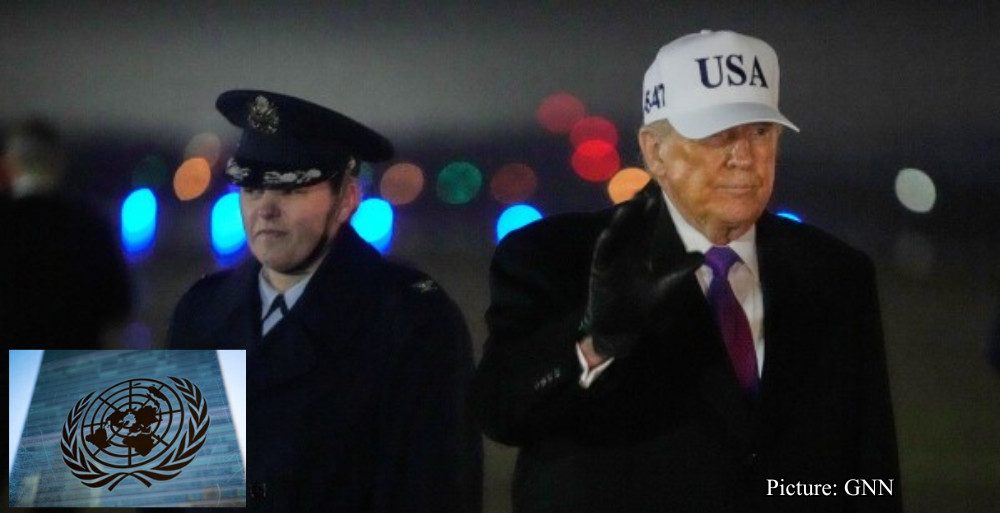
President Trump reacted angrily to the ruling, condemning it as a “terrible” decision and vowing to pursue alternative legal paths to impose tariffs. He announced plans to use other statutory authority, such as Section 122 of the Trade Act of 1974, to impose a temporary 10% global tariff while Congress considers longer-term trade measures.
Wall Street responded positively to the Supreme Court decision. Key U.S. stock indexes, including the S&P 500 and Nasdaq, rose Friday on expectations that legal clarity could ease economic drag from trade frictions. European and Asian stocks also ticked higher, reflecting global market relief.
Economists cautioned, however, that the ruling may not immediately lower consumer prices — particularly in states like Texas — because Trump’s plan to impose alternative levies could sustain elevated import costs for U.S. businesses and consumers.
What’s Next
The Supreme Court’s majority declined to address how importers might be refunded billions of dollars collected under the now-invalidated tariffs, leaving that question for future legal and administrative debate. Many companies have already begun seeking refunds in lower courts.
Lawmakers’ responses fell largely along partisan lines, with Democrats applauding the check on executive overreach and many Republicans urging cooperation with the administration to preserve tariffs under different legal frameworks.