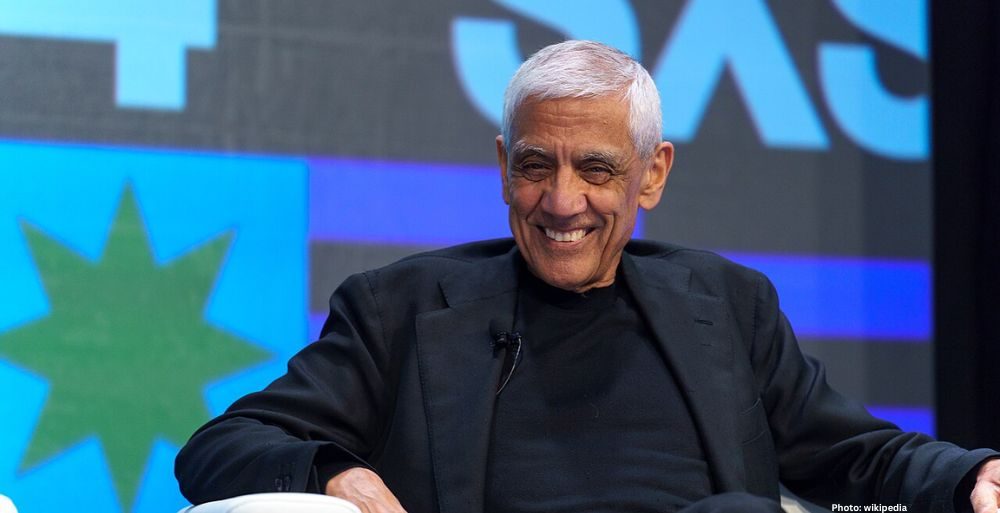










The narrative surrounding India’s tech talent is undergoing a seismic shift. Anupam Mittal, a prominent entrepreneur known for his role on Shark Tank India, highlights this transformation, noting the return of top-tier professionals to India. This movement, partly driven by stricter immigration policies abroad, is reshaping cities like Bengaluru and Mumbai into global innovation hubs. The question remains whether this phenomenon marks a permanent change in the global tech landscape or a temporary adjustment.
In the world of technology and innovation, talent is the most coveted currency. For decades, the United States, with its Silicon Valley allure, has been the El Dorado for tech professionals worldwide. The H-1B visa, a non-immigrant visa that allows U.S. companies to employ foreign workers in specialty occupations, has been a cornerstone of this talent migration. However, recent shifts in global immigration policies, coupled with a burgeoning tech ecosystem in India, have started to reverse this trend.
Serial entrepreneur Anupam Mittal, a well-known figure in the Indian startup ecosystem and a judge on Shark Tank India, has been vocal about this change. He observes a dramatic shift from a time when India struggled to find qualified tech professionals to a present where the country boasts a world-class talent pool. This evolution is not merely an outcome of restrictive immigration policies in Western countries but a testament to the robust tech culture that has been cultivated in India over the past two decades.
Reflecting on his early days at Shaadi.com, Mittal reminisces about the challenges of building a tech team in India. The scarcity of specialized roles such as product managers, developers, and UX designers meant that the early internet entrepreneurs had to make do with project managers, graphic designers, and journalists. The hiring process was less about finding the perfect candidate and more about assembling a team willing to learn and grow together.
Fast forward to today, and the landscape is starkly different. The tech talent in India is not only plentiful but also matches global standards. Professionals who might have once sought opportunities in Silicon Valley are now choosing to stay or return to India, drawn by the dynamic work environment and the chance to be part of something transformative. Cities like Bengaluru and Mumbai have become epicenters of innovation, hosting a myriad of startups and established tech giants alike.
Mittal attributes this shift to more than just external factors like tighter immigration policies. He points to the homegrown digital ecosystem that has flourished in India. Over the years, the country has nurtured internet-first companies, developed a strong product culture, and seen engineers and designers evolve into world-class professionals. This transformation did not happen overnight but is the result of sustained efforts to build a supportive infrastructure for tech innovation.
The reverse migration of talent, often highlighted in headlines, is only part of the story. The deeper narrative is about the digital revolution in India, which has created an environment where tech professionals can thrive. This ecosystem supports innovation at scale, enabling startups to go from zero to millions of users, and fostering a culture where designers think like builders and engineers are adept at scaling solutions.
While the current trend of talent returning to India is promising, it raises questions about the long-term implications. Is India finally moving past the obsession with settling abroad, or have professionals simply found more compelling reasons to stay? The answer may lie in the ability of Indian companies and the broader ecosystem to continue providing challenging and rewarding opportunities that rival those available in traditional tech hubs like Silicon Valley.
The rise of India’s tech talent pool is not just a story of reverse migration but a testament to the country’s potential to be a global leader in technology and innovation. As the world becomes increasingly digital, the demand for skilled tech professionals will only grow. India’s ability to nurture and retain its talent will be crucial in determining its role on the global stage.
In conclusion, the transformation of India’s tech landscape is a multifaceted phenomenon. While external factors like immigration policies have played a role, the real story is the internal development of a robust digital ecosystem. This shift is not just about professionals returning to India but about creating an environment where they can excel and innovate. As India continues to build on this foundation, it may well find itself not just a participant but a leader in the global tech arena.