









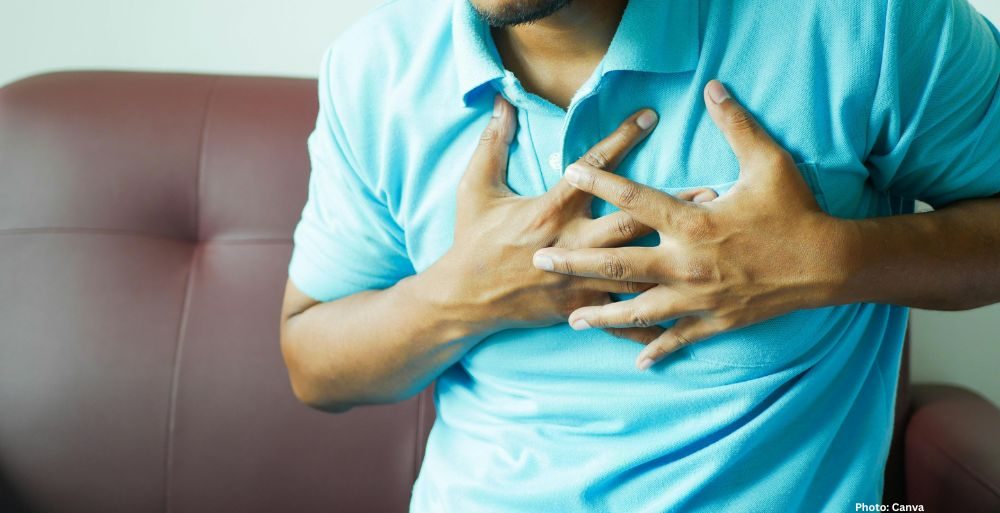
Heart disease is the No. 1 killer of Americans. February is American Heart Month, an important time to discuss the risk factors of heart disease and how your viewers/listeners/readers can prevent it.
Week at a glance: Feb. 2-6
Heart disease is now known to be the No. 1 killer of women, with risks rising around menopause as cardiovascular factors accelerate, and women often experience different or less obvious heart‑attack symptoms. On Friday, Feb. 6 wear red to be seen, to be counted, to be heard, and to make an impact for Go Red Day.
Heart disease was previously believed to only affect men. Now, it’s the No. 1 killer of women – Women were believed to have natural protection from heart disease until their hormone levels dropped during menopause. It wasn’t until the mid-1980s that anyone began looking at how heart disease might affect women. Evidence slowly emerged that women, as well as men, faced a substantial risk from heart disease, beginning at a much earlier stage in life and with sometimes differing symptoms from men.
Menopause can accelerate heart disease risk – Going through menopause does not cause cardiovascular disease. But the approach of menopause marks a point in midlife when women’s cardiovascular risk factors can accelerate and focusing on overall health is crucial.
How heart attack symptoms differ in men and women – Be aware of the warning signs and symptoms of a heart attack, such as discomfort in the center of your chest, the most common symptom in men and women. But women are more likely than men to have symptoms that may seem unrelated to a heart attack, such as nausea and brief pain in the neck or back.
Week at a glance: Feb 9-14
Emotional stress can trigger broken heart syndrome, a condition that mimics a heart attack and can be fatal, while rising rates of obesity, diabetes, and hypertension are contributing to a sharp increase in heart attacks among younger adults.
You can die from a broken heart – For those experiencing heartbreak, Valentine’s Day can be an emotionally distressing time. Heartbreak can trigger a condition called ‘broken heart syndrome’ when emotional stress interrupts the way the heart pumps blood and may cause the heart to contract, resulting in heart attack-like symptoms and even death.
Heart attacks increasing in young adults – In the U.S. someone has a heart attack every 40 seconds. Younger adults (under 55) are experiencing more heart attacks than in previous decades, driven by rising rates of obesity, diabetes, and hypertension. While heart attacks in this age group are still rare, that’s an increase of more than 66% over the past four years. What is causing this alarming jump?
Hands-only CPR can save lives – Hands-only CPR is just two steps: call 911 when someone collapses, then start chest compressions. Despite the American Heart Association’s endorsement of hands-only CPR since 2008, American scripted television shows continued to show outdated practices in episodes airing since that year. Out of 54 TV episodes, 48.1% showed breaths given alongside compressions, and in 42.6%, the fictional layperson checked for a pulse.
Week at a glance: Feb. 16-20
Weight‑loss medications like Ozempic and Wegovy may lower cardiovascular risk, while a normal resting heart rate falls between 60 and 100 beats per minute; disruptions in the heart’s electrical signals can trigger dangerous arrhythmias that push heart rates to extreme levels.
Weight loss medication like Ozempic can improve heart health – Studies have shown semaglutide, the peptide in these medications, has actively reduced risk of cardiovascular disease. This summer, the FDA approved the weight loss drug Wegovy to treat those with severe risk of heart disease complications.
What should your heart rate be? Is yours normal or a sign of arrhythmia? – In a healthy heart, a resting heart rate of 60 to 100 beats a minute is ideal, but some things can change how electrical signals travel through the heart and cause life-threatening arrhythmias. Dangerous heartbeat rates can race up to 500 to 600 a minute.
Week at a glance: Feb. 23-27
COVID‑19 can raise long‑term heart risks, poor sleep can drive high blood pressure, and healthy habits like exercise and a plant‑focused diet help protect your heart.
COVID-19 infection and cardiovascular risk – People infected with the COVID-19 virus in 2020 may have double the risk for future heart attacks, strokes or premature death from any cause up to three years later – even if they never showed signs of severe illness, according to new research.
Late nights and early mornings can lead to high blood pressure – Nearly half of Americans have high blood pressure, while only 1 in 4 have it under control.
Diet and exercise make a healthy heart – Eating certain foods can raise your heart disease risk but what foods directly benefit your heart? Healthy lifestyle behaviors include eating a plant-based diet, avocados, whole grains, and even having a glass of wine with dinner.
Source Credit: Newswise