






In a world where geopolitical alliances are constantly evolving, the upcoming meeting between Indian Prime Minister Narendra Modi and French President Emmanuel Macron in Mumbai on February 17, 2026, is set to be a pivotal moment for India-France relations. This meeting comes at a time when both nations are seeking to reinforce their strategic partnership, which has been a cornerstone of their foreign policies for decades.
The India-France relationship has been characterized by mutual respect and shared values, with both countries committed to promoting peace, stability, and prosperity on the global stage. This partnership has been particularly significant in the areas of defense, nuclear energy, and counter-terrorism. The upcoming meeting in Mumbai is expected to further cement these ties, with discussions likely to focus on enhancing cooperation in these key areas.
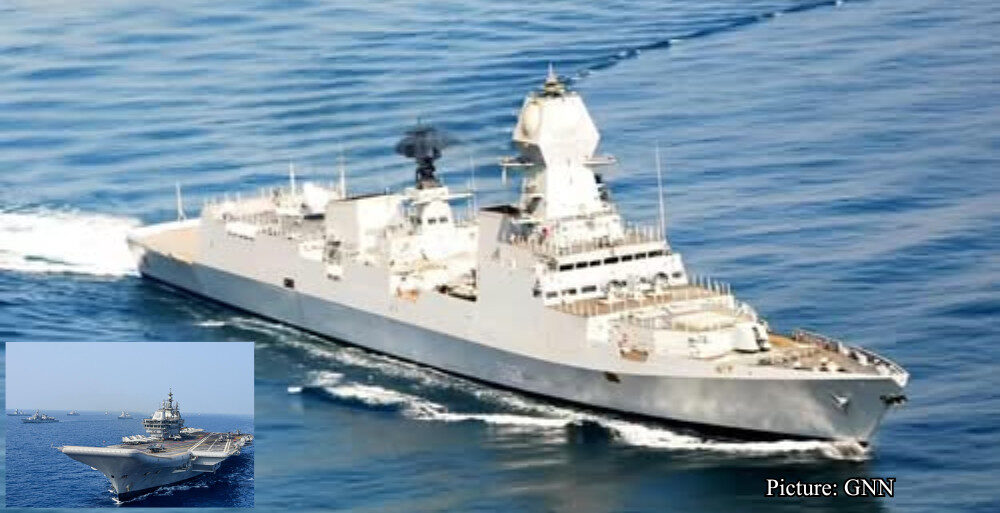
Historically, the strategic partnership between India and France was formalized in 1998, and since then, it has grown from strength to strength. The defense sector has been a major pillar of this relationship, with France being one of India’s most reliable arms suppliers. The acquisition of Rafale fighter jets by India was a landmark deal that underscored the depth of trust between the two nations. As global security dynamics shift, both countries are keen to explore new avenues for defense collaboration, including joint exercises, technology transfers, and co-development of military hardware.
Beyond defense, the civilian nuclear sector is another area where India and France have collaborated extensively. The two countries have been working together to develop nuclear energy projects, with the aim of helping India meet its growing energy demands while reducing its carbon footprint. This cooperation is in line with the global push towards sustainable energy solutions, and both leaders are expected to discuss further initiatives to expand this partnership.
Counter-terrorism is another crucial aspect of the India-France strategic dialogue. Both nations have been victims of terrorism and have consistently advocated for a united global response to this threat. The upcoming meeting provides an opportunity for Modi and Macron to review existing counter-terrorism strategies and explore new ways to enhance intelligence sharing and operational collaboration.
Culturally, India and France share a rich tapestry of exchanges, with both countries celebrating each other’s art, cuisine, and heritage. This cultural diplomacy has played a significant role in bringing the people of both nations closer, fostering greater understanding and appreciation of each other’s traditions and values.
In the broader context, the India-France partnership is also a reflection of the shifting geopolitical landscape. As both countries navigate the complexities of international relations, they are increasingly aligned in their vision of a multipolar world order. This alignment is evident in their joint support for multilateralism, climate action, and sustainable development.
The meeting in Mumbai is not just about strengthening bilateral ties; it is also about reinforcing the shared commitment to addressing global challenges. As two of the world’s leading democracies, India and France have a responsibility to lead by example, advocating for peace, security, and prosperity for all.
As the world watches this important diplomatic engagement unfold, it is clear that the India-France relationship is poised for a new chapter. With Modi and Macron at the helm, the partnership is expected to reach new heights, benefiting not only the two nations but also contributing to a more stable and prosperous world.