







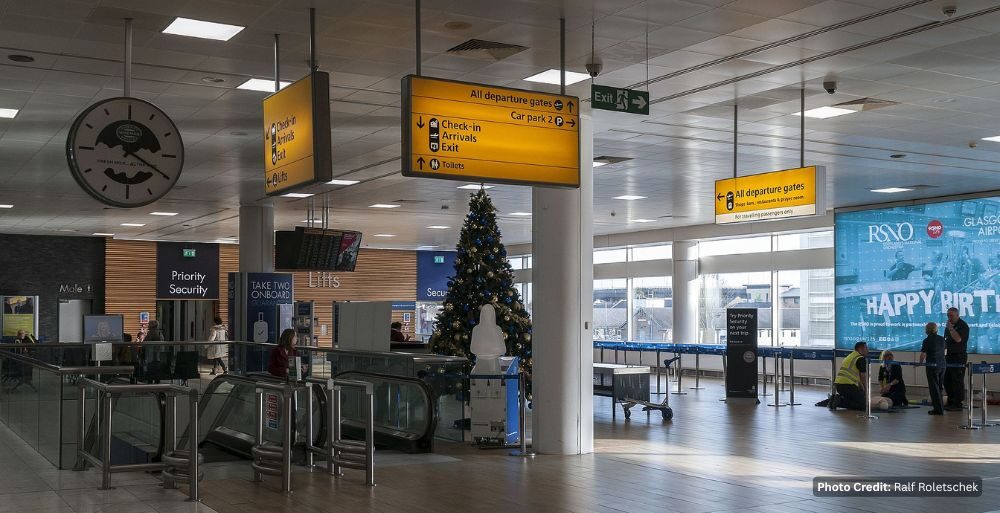
A potential shutdown of the U.S. Department of Homeland Security (DHS) could trigger widespread delays at major airports as federal funding is set to expire. Travel advocacy groups and industry analysts warn that a lapse in appropriations would force thousands of essential personnel—including Transportation Security Administration (TSA) officers and Customs and Border Protection (CBP) agents—to work without immediate pay, likely leading to increased absenteeism and staffing shortages during peak transit periods.
The funding impasse stems from a broader congressional deadlock over federal spending priorities. While essential security operations will technically remain active, historical precedents from previous shutdowns suggest that financial uncertainty for frontline workers results in longer security lines and slower processing at international entry points. Travel industry stakeholders emphasize that even a short-term disruption could have a compounding effect on the national aviation network.
\”The impact on the traveling public could be significant if security checkpoints are understaffed,\” stated a representative from a leading travel association.
Beyond immediate passenger processing, the shutdown threatens to stall administrative functions and the rollout of new security technologies. Non-essential DHS personnel would be furloughed, potentially delaying the certification of new airmen and the processing of Global Entry and TSA PreCheck applications. Economic analysts suggest that prolonged delays at logistics hubs could also impact the timely movement of air cargo and international trade.
The White House has urged Congress to pass a short-term funding measure to avoid operational \”chaos\” at the nation\’s borders and transit hubs. As the deadline approaches, airlines are advising passengers to arrive at airports earlier than usual to mitigate the risk of staffing-related bottlenecks. Negotiations remain ongoing, but a resolution has not yet been reached to secure the department\’s fiscal future.