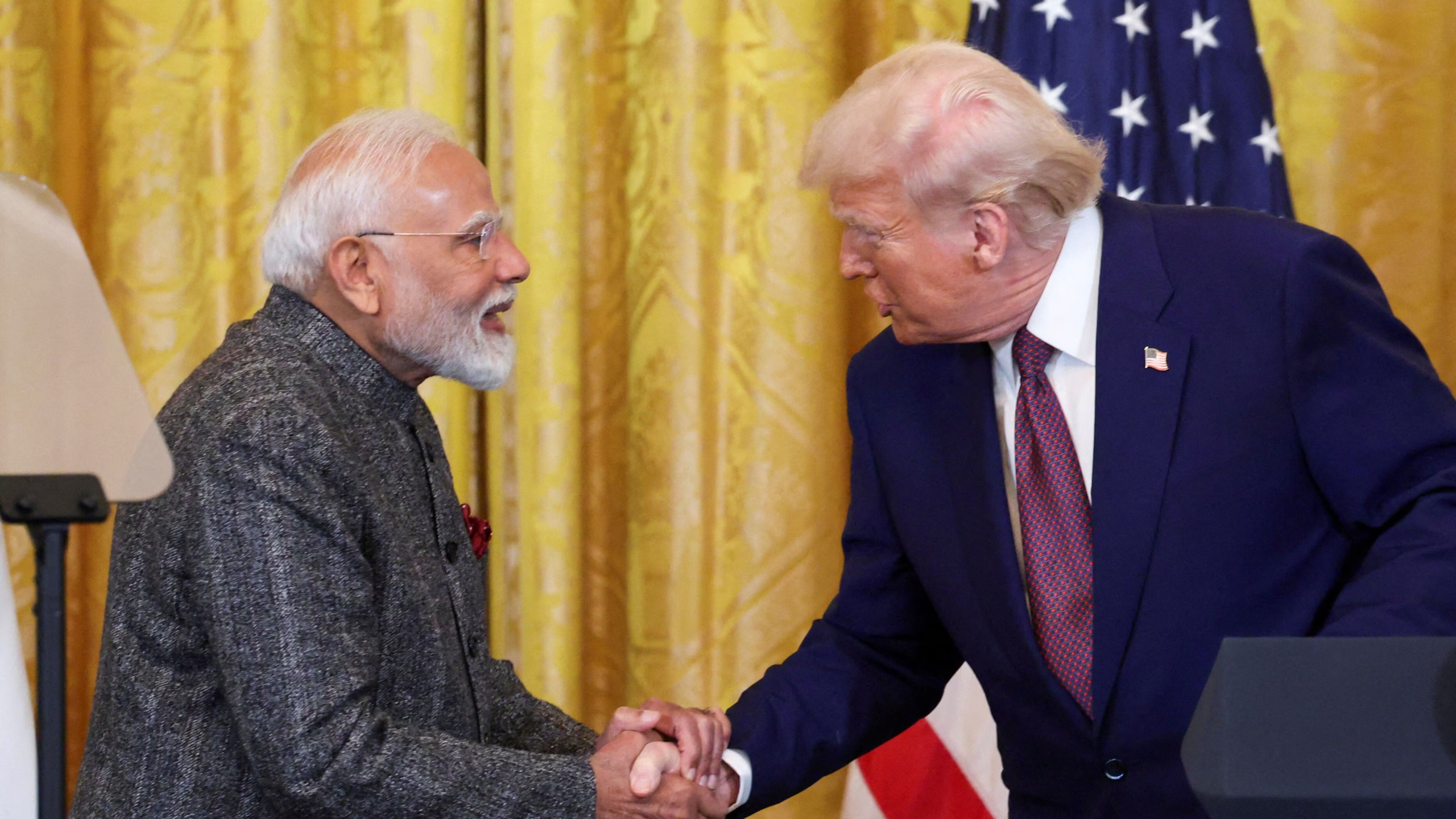







New Delhi\’s stated intention to purchase 500 billion dollars worth of goods from the United States over the next five years is facing significant scrutiny from trade experts and economists. While the proposal aims to solidify a bilateral trade deal and avoid escalating tariffs, analysts warn that such a massive shift in procurement could distort commercial markets and fundamentally reshape the trade balance between the two nations. The plan emerged following recent diplomatic shifts where the United States signaled a willingness to adjust its trade posture toward India in exchange for specific purchase commitments.
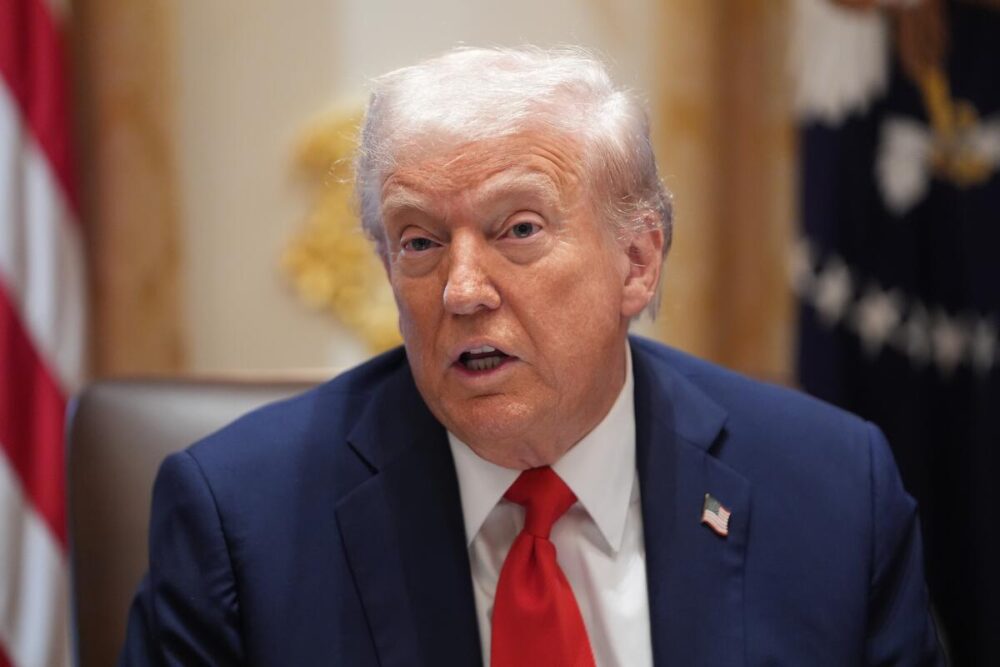
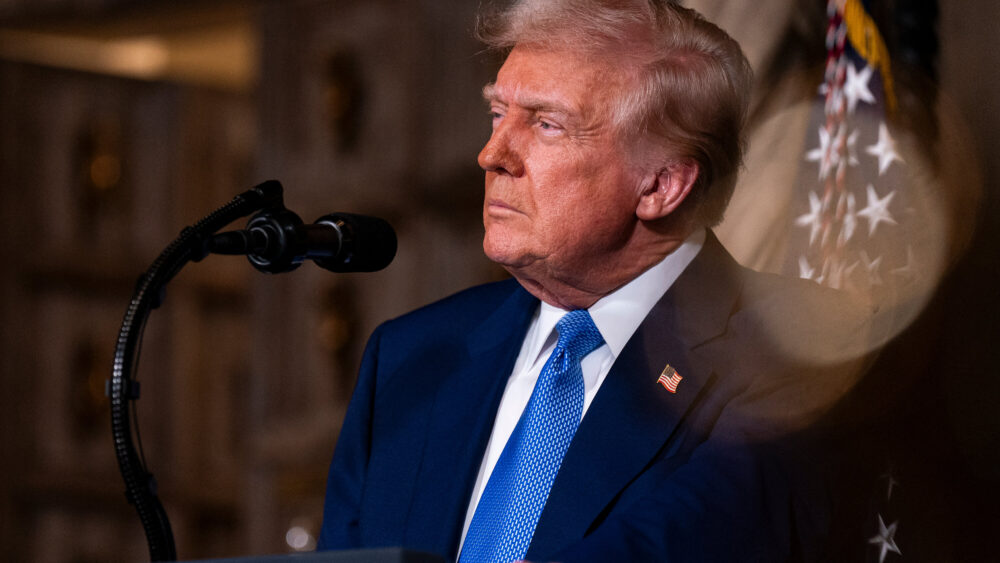
United States President Donald Trump recently announced a plan to reduce tariffs on Indian goods to 18 percent, down from a previous level of 50 percent. The move provided immediate relief to Indian exporters who had been bracing for a potential trade conflict. However, the reduction comes with a significant condition. The United States has requested that New Delhi more than double its annual imports of American goods to reach the ambitious 500 billion dollar cumulative target. This equates to an average of 100 billion dollars in imports per year, a figure that represents a monumental leap from historical averages.
Data from the 2024-25 fiscal year shows that bilateral trade between the two countries stood at 132 billion dollars. During this period, India maintained a trade surplus of approximately 41 billion dollars in its favor. To reach the new targets, India would essentially need to overhaul its import strategy, shifting a vast portion of its global procurement toward American suppliers. Economists are questioning whether this volume of trade is feasible without an explicit and aggressive policy push by the Indian government to steer private and state-owned companies toward U.S. markets.
Madhavi Arora, an economist at Emkay Global, noted that the current mathematical projections do not align with market realities. She described the target as more aspirational than realistic, suggesting that the sheer volume of goods required to meet the quota would necessitate a level of market intervention that is rarely seen in modern trade. The joint statement issued by both nations utilized language indicating that India intends to buy the goods, which many legal experts interpret as a non-binding expression of interest rather than a formal, enforceable contract.
The lack of a binding commitment has not quelled fears regarding potential repercussions should India fail to meet these expectations. President Trump has established a track record of showing little patience for trading partners that do not fulfill perceived obligations. In late January, the United States moved to raise tariffs on certain South Korean goods back to 25 percent from 15 percent. The administration argued that Seoul had failed to properly legislate the terms of a previous trade agreement, signaling that Washington is prepared to use punitive measures if purchase targets are not realized.
If Indian exports to the United States remain steady while imports from the U.S. surge toward the 100 billion dollar annual mark, India\’s largest bilateral trade surplus could effectively vanish. For a country that recorded a total global goods trade deficit of 283.5 billion dollars in the 2024-25 period, the erosion of this surplus could have wide-ranging macroeconomic consequences. The shift could place additional pressure on the Indian rupee and alter the country\’s foreign exchange reserves strategy.
Independent trade expert Biswajit Dhar cautioned that an influx of 100 billion dollars in American imports every year would completely upset India\’s existing trade balance. He argued that the current framework appears to be a defensive maneuver designed primarily to preserve India\’s access to its most critical export market rather than a strategy to actively boost Indian outbound trade. By agreeing to these terms, New Delhi is essentially paying for the maintenance of the status quo for its exporters.
The logistical challenges of such an import surge are also a point of contention. India would need to significantly increase its intake of American energy, defense equipment, and agricultural products to move the needle toward the 500 billion dollar goal. While India has been a consistent buyer of U.S. crude oil and liquefied natural gas, the infrastructure required to double or triple those intakes is not yet fully realized. Furthermore, increasing agricultural imports often faces stiff domestic political resistance from India’s influential farming sector.
In the defense sector, India has been diversifying its suppliers, moving away from its historical reliance on Russian hardware toward more Western systems. While this aligns with U.S. interests, the procurement cycles for major defense contracts often span decades, making it difficult to front-load 500 billion dollars of spending into a five-year window. Without massive, immediate orders for aircraft or naval vessels, the gap between current import levels and the proposed targets remains wide.
The corporate sector in India also faces a dilemma. Most procurement in India is driven by price sensitivity and technical specifications. If American goods are more expensive than domestic alternatives or imports from other regions like Europe or East Asia, the Indian government would have to implement subsidies or mandates to force a shift in purchasing behavior. Such intervention could lead to inefficiencies in the Indian economy and potentially trigger complaints at the World Trade Organization from other trading partners who feel sidelined by the bilateral arrangement.
There is also the concern of market saturation. For certain categories of American goods, there may simply not be enough demand within the Indian economy to absorb 100 billion dollars annually. If the Indian government attempts to force these imports, it could lead to an oversupply that depresses local prices and harms domestic manufacturers, creating a paradox where India’s attempts to please its largest trading partner result in internal economic distress.
Despite these hurdles, the Indian government appears committed to the dialogue, recognizing that the United States remains an indispensable partner for its long-term growth. The reduction of the 50% tariff remains a major victory for Indian textile, pharmaceutical, and IT firms that rely on the American consumer. Negotiators in New Delhi are likely hoping that the \”intent\” to purchase will be viewed as a good-faith effort that allows for flexibility if market conditions change or if certain sectors cannot meet their specific quotas.
The next few months will be critical as technical teams from both countries meet to iron out the specifics of the procurement plan. Observers will be looking for signs of tangible contracts in the energy and aerospace sectors as early indicators of whether India is capable of scaling up its imports. For now, the deal stands as a high-stakes gamble that seeks to trade a domestic trade deficit for international diplomatic stability and continued market access.
India’s $500 Billion U.S. Imports Intent Draws Scepticism, Risks Widening Trade Deficit