





The Permanent Mission of India to the United Nations recently hosted the third annual commemoration of World Hindi Diwas, where diplomats and government officials emphasized the critical need to integrate modern educational technologies into the instruction of the Hindi language. India’s Minister of State for Women and Child Development, Savitri Thakur, served as the chief guest for the event, highlighting that while the Indian government continues to make significant strides in popularizing Hindi on a global scale, new digital tools are essential to making the language more accessible to the vast Indian diaspora. The gathering served as a strategic platform to discuss the evolution of linguistic promotion in a digital age and the role of international cooperation in maintaining cultural heritage.
The event, held on February 2, 2026, brought together a diverse group of stakeholders, including high-ranking diplomats, United Nations officials, linguistic scholars, and prominent members of the Indian diaspora. Among the notable attendees were India’s Deputy Permanent Representative to the United Nations, Yojna Patel, and the Permanent Representatives of Nepal, Mauritius, and Guyana. The presence of representatives from these specific nations underscored the deep-rooted historical and cultural ties that Hindi maintains across various continents, particularly in regions where the Indian indentured labor system once established significant cultural footprints.
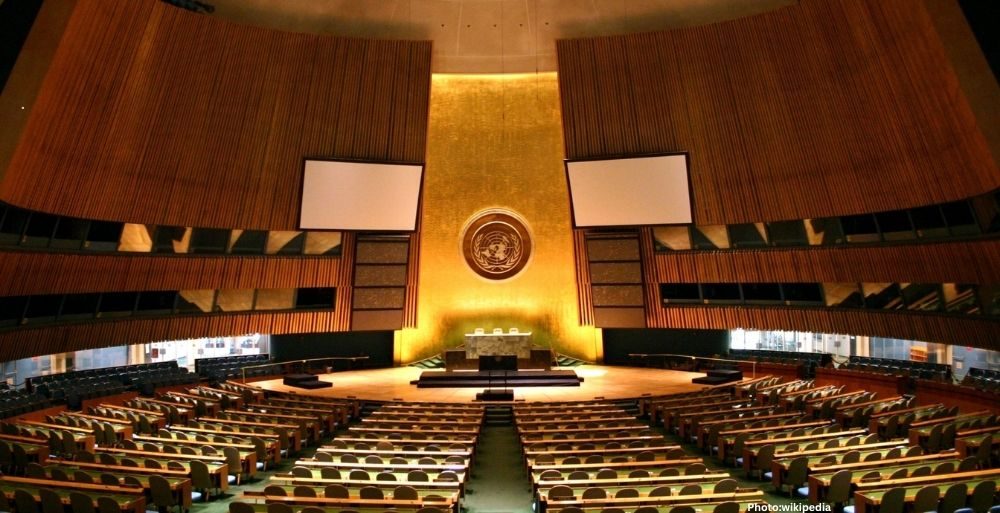
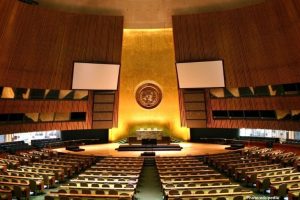
This year’s celebration marks the third consecutive annual event organized by the Permanent Mission of India at the United Nations headquarters. Since the inaugural commemoration in November 2024 and the subsequent session in October 2025, the mission has utilized these gatherings to measure the progress of Hindi as a functional language within the international diplomatic sphere. Although World Hindi Day, or Vishwa Hindi Diwas, is officially designated by the United Nations as January 10, the ongoing celebrations reflect a sustained commitment to institutionalizing the language throughout the year. The January 10 date was originally established in 2006 to commemorate the historic occasion in 1949 when Hindi was first spoken in the United Nations General Assembly.
Deputy Permanent Representative Yojna Patel provided a detailed overview of the successful diplomatic efforts undertaken to include Hindi in the list of non-official languages at the United Nations. Central to this achievement is the India-UN partnership with the Department of Global Communication, which facilitates the webcast of UN News in Hindi. Patel noted that India has contributed approximately 8 million dollars toward the goal of popularizing Hindi within the United Nations system. This financial and diplomatic investment aims to ensure that the work of the international body is accessible to the hundreds of millions of Hindi speakers worldwide, bridging the information gap between global policy and local populations.
The Hindi at UN Project, which was renewed earlier this year for an additional five-year term, serves as the primary vehicle for this outreach. The project utilizes a multi-pronged approach to public communication, leveraging social media, digital newsletters, and a dedicated UN News website. Current data suggests these efforts are yielding significant results, as the Hindi social media network now boasts approximately 137,000 followers and has accumulated more than 3.7 million views across various digital channels. The project has been particularly successful in reaching younger demographics, with a substantial portion of the 346,000 annual website visitors falling between the ages of 18 and 34. The recent launch of a Hindi WhatsApp channel further demonstrates the commitment to utilizing contemporary communication technologies to engage a mobile-first global audience.
During the proceedings, speakers from Caribbean nations and Nepal offered testimonials regarding the role of Hindi in preserving their unique cultural identities. In countries like Guyana, Suriname, and Trinidad and Tobago, Hindi remains a vital link to ancestral heritage. Diplomats noted that the language acts as a vessel for traditional values, religious practices, and historical memory. In Nepal, the linguistic landscape is particularly robust, with nearly 100,000 people identifying Hindi as their mother tongue and an additional 25,000 using it as a primary secondary language. The multilingual nature of Nepal provides a unique case study in how Hindi can coexist and thrive alongside other regional dialects and national languages.
The educational infrastructure supporting Hindi extends far beyond the borders of South Asia. Highly regarded global institutions, including Harvard, Columbia, Cornell, and the University of Chicago in the United States, as well as Oxford and Cambridge in the United Kingdom, offer specialized degrees and courses in Hindi. This academic interest reflects the growing geopolitical and economic importance of India on the world stage. Furthermore, the University of Stockholm and various institutes in Mauritius have long-standing programs dedicated to Hindi studies. Mauritius, in particular, has integrated Hindi into its formal education system since 1954, supported by organizations such as the Ramayan Center, the Hindi Prachar Sabha, and the World Hindi Secretariat.
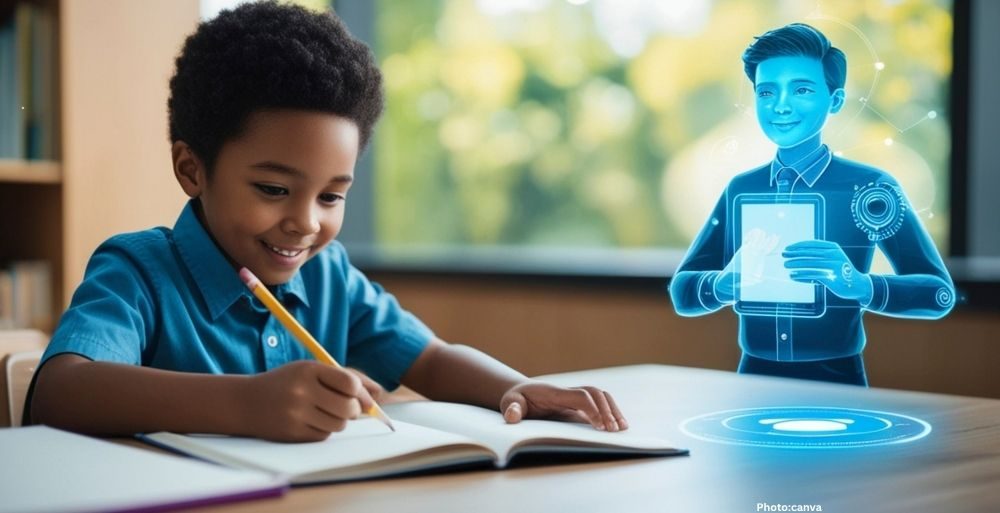
Minister Savitri Thakur’s call for technological integration addresses the evolving needs of the Indian diaspora, many of whom may lack access to traditional classroom settings. By adopting educational technologies such as artificial intelligence-driven language apps, virtual reality immersion programs, and interactive digital curricula, the Indian government hopes to lower the barrier to entry for second-generation and third-generation immigrants. These tools are seen as vital for maintaining linguistic proficiency among youth who may primarily speak English or other local languages in their daily lives but wish to remain connected to their cultural roots.
The cultural reach of Hindi has also been significantly bolstered by the global influence of the Indian film industry. In past commemorations, UN member states have acknowledged how Bollywood films have served as a form of “soft power,” introducing the sounds and rhythms of Hindi to audiences in Russia, Egypt, Africa, and Latin America. This informal exposure often serves as a gateway for individuals to pursue more formal linguistic education. The intersection of entertainment, technology, and formal schooling creates a comprehensive ecosystem for the language’s growth, ensuring it remains a living, breathing medium of communication rather than a static relic of the past.
Primary and secondary education systems in countries with large Indian populations continue to play a foundational role in this mission. In Guyana and Suriname, local institutes offer Hindi instruction at the K-12 level, often supplemented by specialized exchange programs that allow students to travel to India for immersive study. These academic exchanges foster a two-way flow of cultural and linguistic knowledge, strengthening the ties between the Indian mainland and its global community. The commitment shown by these nations illustrates that Hindi is not merely a regional language but a global asset that facilitates international understanding and cooperation.
As the United Nations continues to expand its multilingual outreach, the success of the Hindi at UN Project provides a blueprint for other non-official languages seeking greater representation. The combination of state-funded initiatives, technological adaptation, and grassroots cultural preservation ensures that Hindi will continue to play a prominent role in international discourse. The consensus among the diplomats gathered in New York was clear: the future of the Hindi language lies in its ability to adapt to the digital age while remaining anchored in the rich cultural traditions that have defined it for centuries.