








The dream of personal flight has transitioned from the realm of science fiction into a tangible commercial reality in Palo Alto, California. Pivotal, a pioneer in the electric aviation sector, has officially opened reservations for its latest aircraft, the Helix. This vehicle represents more than a decade of research and development, moving the concept of the flying car from experimental prototypes to a market-ready product available for consumer purchase. While the technology often draws comparisons to cinematic depictions of the future, the Helix is a grounded engineering achievement that adheres to existing federal aviation frameworks.
The journey to the Helix began in 2009 when founder Marcus Leng started exploring the possibilities of electric vertical takeoff and landing technology. Working in relative secrecy, Leng developed the BlackFly, an innovative aircraft designed to operate without the need for traditional runways or fossil fuels. By 2011, Leng had successfully completed the first flight of his prototype, marking a significant milestone in the evolution of domestic eVTOL technology. The company eventually moved to the San Francisco Bay Area to scale its operations, emerging from a period of stealth development in 2018 to showcase its second-generation design to the global aviation community.
Under the current leadership of Chief Executive Officer Ken Karklin, who assumed the role in 2022, Pivotal has pivoted from experimental flight testing to a structured production and sales model. The Helix is the culmination of these efforts, designed specifically to meet the needs of early adopters and recreational enthusiasts. Unlike traditional aircraft that require massive infrastructure, the Helix is built for simplicity and accessibility, representing a significant shift in how personal transportation is conceptualized in the twenty-first century.
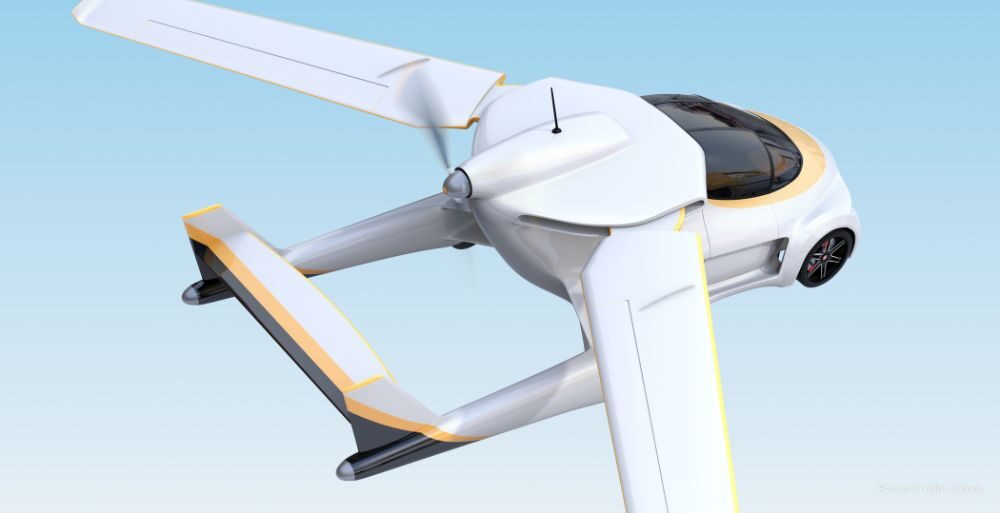
Technically classified as a single-seat eVTOL, the Helix utilizes a fixed-wing architecture combined with electric propulsion. This allows the craft to lift off vertically like a helicopter but transition into efficient forward flight like an airplane. One of the most significant regulatory advantages of the Helix is its classification under the Federal Aviation Administration Part 103 ultralight category. Because it meets specific weight and performance limitations, the aircraft does not require the operator to hold a formal pilot’s license. This lowers the barrier to entry for personal flight significantly, though the company mandates a comprehensive training program for all purchasers.
The aircraft itself weighs approximately 355 pounds when empty and is optimized for flight at altitudes below 200 feet. It operates within unregulated airspace, cruising at speeds of roughly 62 miles per hour. The current battery technology provides approximately 30 minutes of flight time per charge, with a buffer for safety. Recharging the vehicle is designed to be as convenient as possible, taking about 75 minutes when connected to a standard 240-volt outlet. These specifications position the Helix as a vehicle for short-hop travel and recreational exploration rather than long-distance commuting.
The cost of entering this new era of transportation is substantial, with the base model of the Helix starting at $190,000. Customers looking for a complete package can opt for additional features, such as a specialized transport trailer priced at $21,000 and a dedicated charging unit for $1,100. To secure a place in the production line, interested buyers must submit a $50,000 deposit. Pivotal reports that interest has been robust, with a backlog of orders that extends over a year. Current projections suggest that customers placing deposits today can expect to receive their aircraft within nine to twelve months.
Safety remains the primary focus of the Pivotal engineering team. The Helix was designed with a philosophy of radical simplicity, featuring only 18 moving parts to minimize potential points of failure. The system incorporates multiple layers of redundancy to ensure that the aircraft remains stable even if a component malfunctions. This commitment to safety has been validated through independent evaluations by the Light Aircraft Manufacturers Association and certification from SAE International. Furthermore, the company leverages data from over 9,000 flights across its fleet to continuously refine the flight control software and hardware components.
Noise pollution is a common concern regarding the integration of flying vehicles into local environments. Pivotal has addressed this by focusing on the acoustic signature of the electric motors. During takeoff and landing, the Helix produces a sound comparable to common household power tools, such as leaf blowers. Once the aircraft reaches cruising altitude, it becomes nearly silent to observers on the ground. NASA testing has confirmed that the aircraft produces roughly 70 decibels of noise at a distance of 100 feet, which aligns with acceptable environmental sound levels.
Education is a mandatory component of the purchase process to ensure that all operators can handle the aircraft responsibly. Training takes place at the company’s headquarters in Palo Alto and at specialized facilities near Monterey Bay. The curriculum covers a wide range of topics, including FAA knowledge requirements, ground school, and hands-on flight control. Most users are able to complete the training in less than two weeks. This program is designed to transform novices into competent operators, emphasizing maintenance, transport, and assembly alongside actual flight maneuvers.
The practical utility of Pivotal’s technology is already being demonstrated by a small group of early-access owners. These individuals have integrated the predecessor aircraft into their lifestyles, using them for recreational flights across various locations in the United States. For these early adopters, the appeal lies in the unique perspective offered by low-altitude flight and the relative ease of transporting the aircraft to different environments. The ability to take off from private land and navigate uncontrolled airspace offers a level of freedom previously unavailable to those without extensive aviation backgrounds.
As the industry grows, Pivotal is mindful of the broader societal and regulatory implications of widespread eVTOL use. While some aviation groups express concern regarding the potential for crowded airspace, Pivotal distinguishes its mission from that of urban air taxi services. By focusing on single-person, recreational use in rural or less congested areas, the company aims to coexist with existing aviation structures rather than disrupt them. Federal regulations currently limit ultralight aircraft to approximately 90 percent of U.S. airspace, strictly prohibiting flight over congested urban centers to maintain safety and privacy.
The emergence of the Helix marks a turning point where personal flight moves from a conceptual novelty to a legitimate consumer choice. While the high price point ensures it will remain a luxury item in the near term, the technology serves as a bellwether for the future of transportation. As electric vehicle technology continues to mature and battery densities improve, the lessons learned from the Helix will likely inform the next generation of more accessible aerial vehicles. For now, Pivotal remains focused on delivering a safe, intuitive, and immersive experience for those ready to take to the skies.