







The presence of a top American military commander at indirect negotiations in Muscat signals a shift in diplomatic strategy as the United States balances naval pressure with renewed nuclear dialogue.
MUSCAT, Oman — Senior officials from the United States and Iran concluded a pivotal round of indirect negotiations in the Omani capital on Friday, marking a complex return to the diplomatic table regarding Tehran’s nuclear ambitions. While the primary objective of the gathering was to establish a framework for future discussions, the proceedings were underscored by a significant and unprecedented shift in the American delegation’s composition. For the first time in the history of these back-channel communications, the United States included its most senior military commander in the Middle East as a formal participant in the diplomatic process.
U.S. Navy Admiral Brad Cooper, the head of U.S. Central Command, attended the talks in his full dress uniform. His presence in Muscat served as a potent visual reminder of the American military assets currently stationed just off the Iranian coast. The USS Abraham Lincoln aircraft carrier strike group, accompanied by a fleet of missile-equipped destroyers and littoral combat ships, is currently patrolling the Arabian Sea. This “peace through strength” approach appears to be a cornerstone of the current administration’s strategy, blending traditional statecraft with the tangible threat of military readiness.
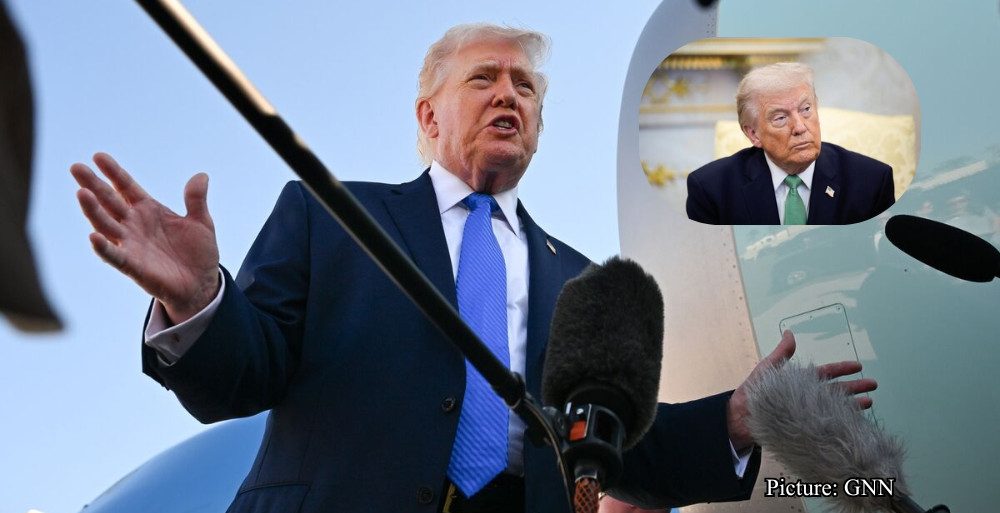
President Donald Trump, speaking to reporters aboard Air Force One while en route to Florida, characterized the discussions as “very good” and indicated that additional meetings are already scheduled for early next week. Despite the optimistic tone regarding the frequency of the talks, the President maintained a stern posture toward the Islamic Republic. He warned that the absence of a comprehensive deal regarding Tehran’s nuclear program would result in “very steep” consequences. The President suggested that the Iranian leadership appears increasingly motivated to reach an agreement, noting that they seem willing to offer more concessions than in previous diplomatic cycles.
The negotiations come at a time of heightened regional instability following a twelve-day conflict between Israel and Iran in June. That brief but intense war significantly altered the geopolitical landscape of the Middle East, leaving many Gulf Arab nations wary of a broader regional conflagration. The diplomatic efforts in Oman are seen by many international observers as a critical attempt to de-escalate tensions before they spiral into a larger conflict that could involve multiple regional powers and disrupt global energy markets.
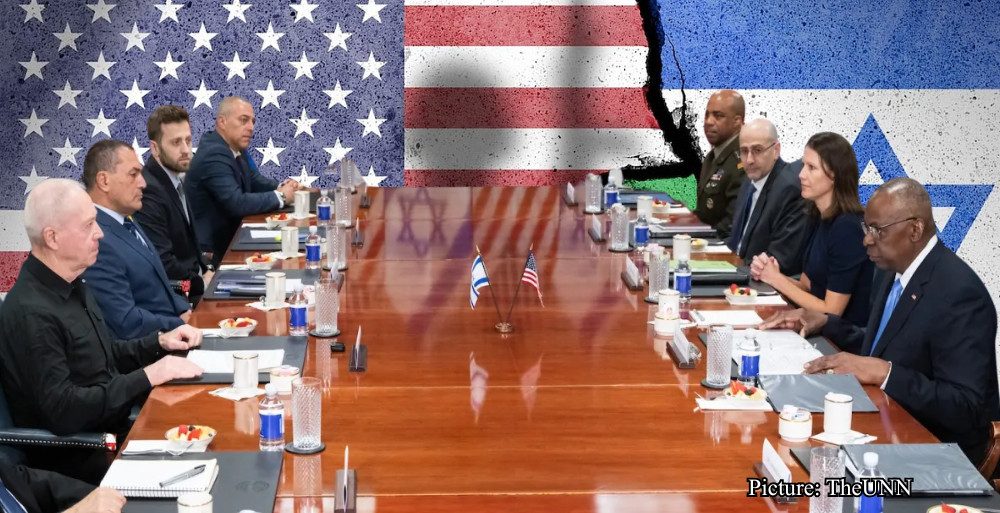
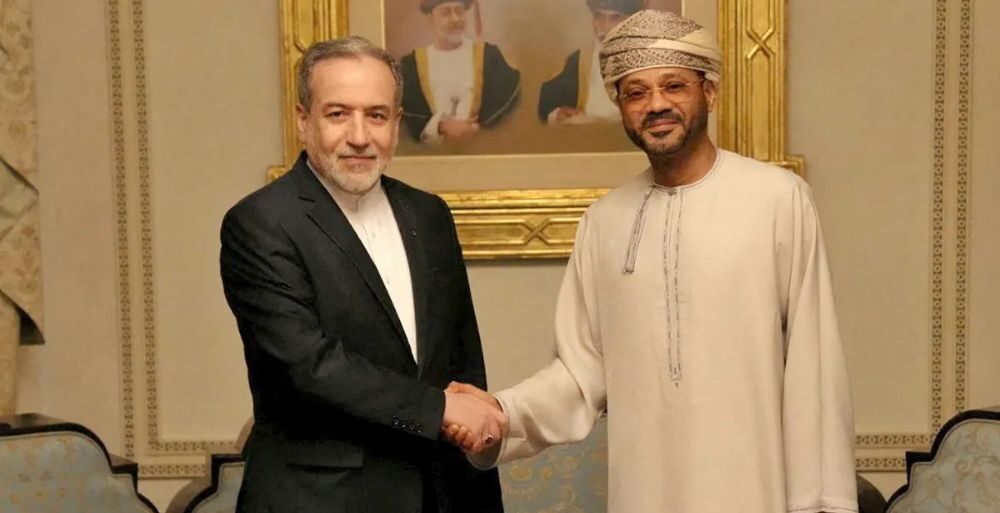
The American delegation was led by Middle East special envoy Steve Witkoff and Jared Kushner, who has historically played a central role in the administration’s regional diplomacy. Their engagement with Omani intermediaries—who serve as the primary link to the Iranian representatives—focused on breaking the “serious challenge” of mutual mistrust. Iranian Foreign Minister Abbas Araghchi, speaking on Iranian state television, acknowledged the difficulty of the task at hand. He emphasized that resolving the core issues of the nuclear program requires a “calm atmosphere” free from the “threats and pressure” currently being exerted by the U.S. naval presence.
The friction between the two nations was palpable in the days leading up to the Muscat summit. Just prior to the talks, U.S. forces reportedly shot down an Iranian drone operating near the USS Abraham Lincoln. Furthermore, reports surfaced of an Iranian attempt to intercept a U.S.-flagged vessel in the Strait of Hormuz, one of the world’s most vital maritime chokepoints. These incidents highlight the precarious nature of the current “maximum pressure” campaign and the thin line between deterrence and active hostility.
Central to the negotiations is the status of Iran’s uranium enrichment program. Before the June war, international monitors from the International Atomic Energy Agency (IAEA) reported that Iran had been enriching uranium to sixty percent purity. This level is a short, technical step away from ninety percent, which is considered weapons-grade. The IAEA has previously noted that Iran is the only non-nuclear-armed state to enrich uranium to such a high level, a fact that has long fueled international concern regarding Tehran’s ultimate intentions.
The Trump administration has frequently drawn parallels between its approach to Iran and its previous strategies in South America. When asked how long he was willing to wait for a diplomatic breakthrough, the President referenced the months of military buildup in the Caribbean that preceded the capture of former Venezuelan President Nicolás Maduro. “We have plenty of time,” Trump remarked, suggesting that the United States is prepared to maintain its military and economic pressure indefinitely until a favorable deal is secured.
Initially, there were proposals to hold these talks in Turkey within a broader multilateral framework. Such a format would have included other regional stakeholders and addressed concerns beyond the nuclear program, such as Iran’s ballistic missile development. However, Tehran reportedly rejected that broader scope, insisting on a focused, indirect dialogue centered specifically on nuclear restrictions and the relief of economic sanctions. This narrower focus allowed the Muscat talks to proceed but leaves the issue of regional proxy conflicts and missile proliferation unaddressed for the time being.
Omani Foreign Minister Badr al-Busaidi, who has acted as the lead mediator, described the Friday session as “useful” for clarifying the respective positions of both Washington and Tehran. He noted that the primary achievement of the day was the identification of specific areas where progress might be possible. As the diplomats return to their respective capitals to consult with their leadership, the international community remains watchful. The results of these consultations will be conveyed back to the Omani mediators early next week to determine the agenda for the next round of discussions.
The inclusion of Admiral Cooper signifies that the United States no longer views the nuclear issue as a purely diplomatic or technical challenge, but as a direct national security concern requiring military oversight. By placing a commander in the room, the administration is signaling that any potential agreement will likely include rigorous verification measures and a clear understanding of the military ramifications of non-compliance. For Iran, the presence of the Admiral is a point of contention, viewed as “negotiating under the shadow of a gun.”
As the carrier group continues its maneuvers in the Arabian Sea, the “Peace through Strength” mantra remains the official stance of the U.S. military. The coming days will reveal whether this blend of high-level military posturing and indirect diplomacy can produce a breakthrough that has eluded previous administrations. With the President’s self-imposed timeline seemingly open-ended, the region braces for a prolonged period of high-stakes maneuvering where the margin for error remains razor-thin.
Iran, US Immigration, Nuclear Talks, Oman, Donald Trump, Central Command, USS Abraham Lincoln, Middle East, Abbas Araghchi, Diplomacy, Arabian Sea, IAEA, Uranium Enrichment, Geopolitics, National Security