





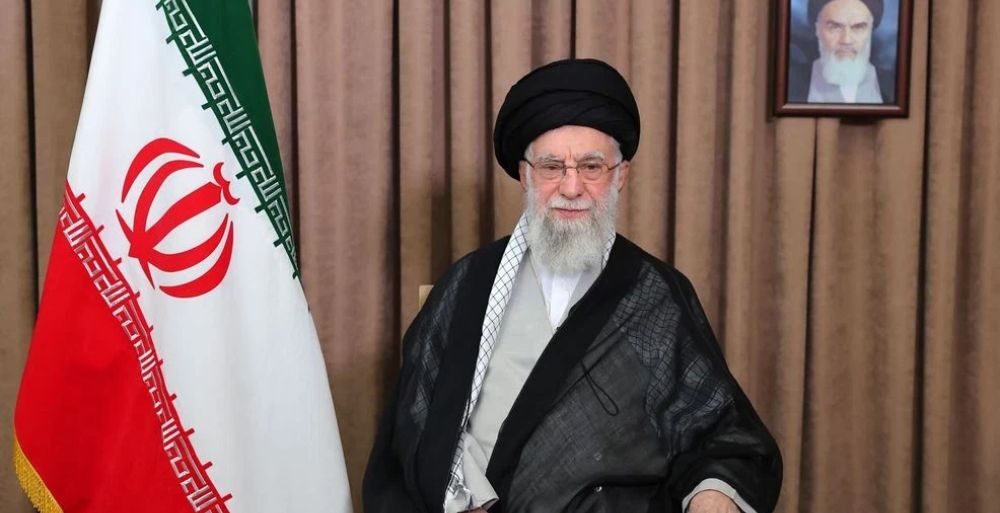
Supreme Leader Ayatollah Ali Khamenei is attempting to navigate a precarious geopolitical landscape by balancing domestic suppression with renewed diplomatic overtures toward Washington.
Following the implementation of the most severe domestic crackdown in the history of the Islamic Republic, Iran’s Supreme Leader Ayatollah Ali Khamenei has pivoted toward a strategy of cautious engagement with the United States. The 86-year-old cleric, who has maintained an iron grip on the nation for nearly four decades, currently faces a dual threat: an American naval presence in nearby waters and a fractured domestic landscape still reeling from a wave of violent civil unrest.
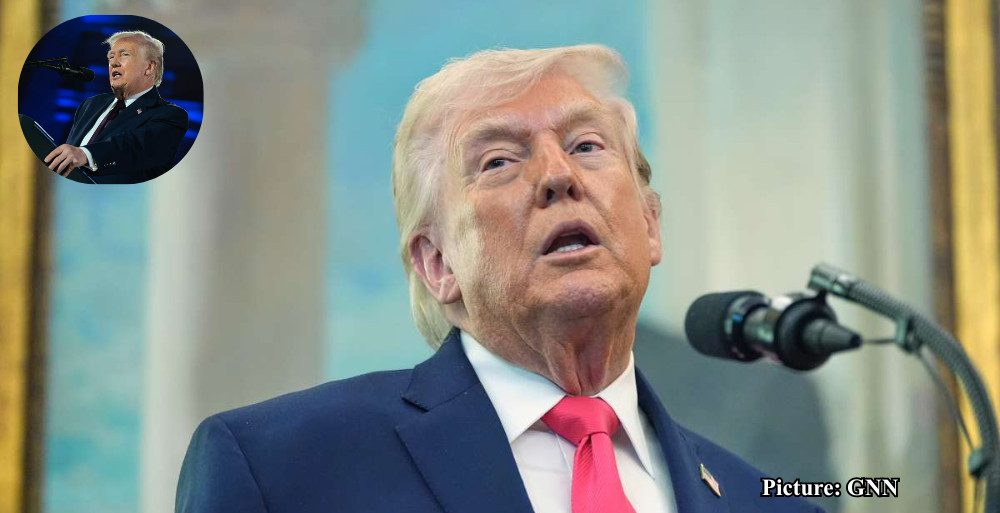
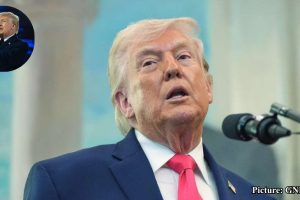
Khamenei has publicly warned that any military action initiated by U.S. President Donald Trump would inevitably trigger a broader regional conflict. Despite this bellicose rhetoric, the Supreme Leader has signaled a significant shift in policy by authorizing Iranian officials to enter negotiations regarding the nation’s nuclear program. This move represents a stark reversal of his long-standing refusal to engage in direct dialogue with Washington, suggesting a pragmatic attempt to de-escalate tensions before they reach a point of kinetic military engagement.
The recent shift in the Supreme Leader’s posture follows a period of unprecedented internal turmoil. The protests that swept across Iran in the preceding months were met with a level of state-sponsored violence that has shocked international observers. Security forces, under the direct guidance of the Islamic Revolutionary Guard Corps (IRGC), utilized lethal force to quell demonstrations that originated in Tehran’s traditional bazaar and spread rapidly to every corner of the country. This domestic volatility is largely attributed to years of stringent international sanctions, systemic economic mismanagement, and perceived corruption within the ruling elite.
The economic despair of the Iranian population reached a breaking point when the national currency, the rial, plummeted to a historic low of 1.42 million to the U.S. dollar. This hyperinflation effectively decimated the purchasing power of the middle class and fueled chants of “Death to Khamenei!”—a direct and dangerous challenge to the theocratic authority of the state. For the Iranian leadership, the ferocity of these protests signaled a deep-seated resentment that could no longer be managed through simple rhetoric or minor social concessions.
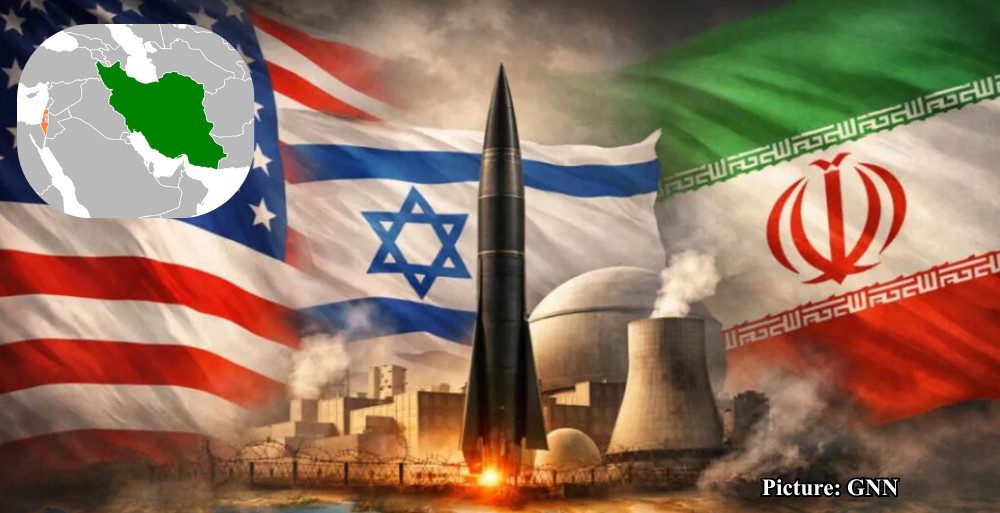
Beyond the borders of Iran, the theocratic system is under significant external pressure. The “Axis of Resistance,” a network of regional proxies including Hezbollah in Lebanon and Hamas in the Gaza Strip, has seen its influence and infrastructure deteriorate significantly in recent years. Furthermore, the Iranian military and nuclear infrastructure suffered extensive damage during a 12-day conflict the previous summer, characterized by intense bombardment from Israeli and American forces. These losses have significantly curtailed Tehran’s ability to project power or offer a credible conventional deterrent against a major Western power.
Khamenei’s tenure, which began in 1989, has been defined by his ability to consolidate power despite initial doubts regarding his religious and political credentials. Unlike his predecessor, Ayatollah Ruhollah Khomeini, Khamenei lacked the charisma of a revolutionary firebrand. However, he proved to be a master of institutional maneuvering. Over three decades, he entrenched the “mullah” system, ensuring that unelected Shiite clerics remained at the absolute apex of the Iranian political and military hierarchy.
A cornerstone of Khamenei’s survival strategy has been the elevation of the Revolutionary Guard. By granting the IRGC control over the nation’s ballistic missile program and allowing it to develop a vast commercial empire, Khamenei secured the unwavering loyalty of the country’s most elite military force. This relationship created a feedback loop where the Guard’s economic interests were inextricably tied to the survival of the Supreme Leader’s political office. When challenges arose from reform-minded politicians in the 1990s and early 2000s, it was the combined force of the clerical establishment and the IRGC that systematically dismantled the reformist platform.
The history of the Islamic Republic under Khamenei is a timeline of suppressed dissent. From the 2009 Green Movement sparked by election irregularities to the 2022 protests following the death of Mahsa Amini, the state has consistently chosen escalation over reconciliation. However, the casualties of the current cycle of violence have eclipsed all previous records. While the Iranian government officially acknowledges just over 3,000 deaths, human rights activists and independent monitors suggest the true figure exceeds 6,700, with tens of thousands more currently held in detention centers.
The decision to revisit nuclear negotiations is viewed by many analysts as a tactical maneuver to buy time. By engaging in talks mediated by regional players such as Turkey, Qatar, Saudi Arabia, and the United Arab Emirates, Tehran may hope to fracture the international consensus for military action. The White House has sent mixed signals regarding its objectives, with President Trump initially citing the protection of protesters as a casus belli before shifting focus back to the total cessation of Iran’s nuclear enrichment activities.
The diplomatic gap remains vast. The United States continues to demand that Iran surrender its entire stockpile of enriched uranium and provide verifiable proof of the permanent dismantling of its nuclear facilities. For Khamenei, such a surrender would be viewed as a capitulation that could further undermine his standing among hard-liners at home. Conversely, the threat of U.S. airstrikes poses an existential risk to the infrastructure the regime has spent decades building.
The uncertainty of the current moment is compounded by the question of succession. At 86, Khamenei’s health and longevity are subjects of intense speculation. While a panel of clerics is technically responsible for choosing the next Supreme Leader, the IRGC has become the most powerful entity in the country. Any violent removal of the current leadership, whether through internal collapse or external intervention, raises the specter of a military junta or a fragmented civil war within an oil-rich nation of 85 million people.
As the American flotilla remains stationed in the region, the international community watches to see if the Supreme Leader’s gamble on diplomacy will bear fruit. For now, the streets of Tehran remain quiet under the watchful eye of the security apparatus, but the underlying economic and social grievances remain unresolved. The coming weeks of negotiations will likely determine whether the Islamic Republic can navigate its way out of its most significant crisis since the 1979 revolution or if the current path leads toward an inevitable confrontation.