








After years of political standoffs, legal battles, and geopolitical tension, TikTok has finally struck a landmark deal to keep its platform operating in the United States. While the agreement prevents an outright ban, it raises fresh concerns over data security, algorithm control, foreign influence, and the future user experience for more than 200 million Americans on the app.
Under the new arrangement, TikTok’s US operations will be run by a majority American-owned joint venture, designed to comply with US national security regulations while limiting the influence of its Chinese parent company, ByteDance.
The newly formed entity, TikTok USDS Joint Venture LLC, describes itself as a data privacy and cybersecurity-focused organization operating under safeguards intended to protect US user data, content moderation systems, and TikTok’s recommendation algorithm.
However, critics argue the deal may not fully satisfy the spirit of US law, and congressional scrutiny is expected in the coming months.
Who Owns TikTok US Now?
Under the finalized structure:
- American investors control the majority stake
- ByteDance retains a 19.9% ownership, staying below the 20% legal threshold
- Oracle, Silver Lake, and Abu Dhabi’s MGX each hold 15%
- Additional investors include firms tied to US tech and political figures, including Michael Dell’s family office and Susquehanna-linked Vastmere Strategic Investments
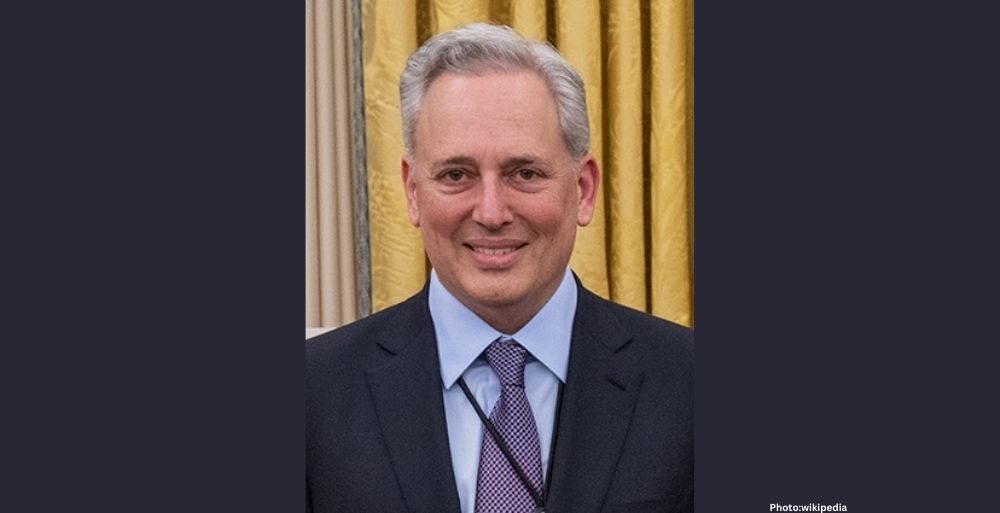
Oracle, chaired by Larry Ellison, will store US user data and oversee the retraining of TikTok’s powerful content recommendation algorithm — widely regarded as the platform’s most valuable technological asset.
Ellison, a longtime ally of Donald Trump, has emerged as a pivotal power broker in the agreement.
Algorithm Changes Could Alter TikTok’s US Experience
A major shift under the deal is that TikTok’s US algorithm will now operate independently from its global version. It will be retrained exclusively on American user data, and Chinese engineers will no longer have day-to-day control over updates, moderation logic, or security.
Experts warn this could change what users see, potentially making the app’s recommendations less diverse, slower to adapt, or less effective.
“The recommendation algorithm is TikTok’s crown jewel — it’s what makes content go viral and keeps users hooked,” analysts note. “Separating it from global data could fundamentally change the feel of the platform.”
Some creators have already voiced concern.
“I don’t know what this means for us moving forward,” said TikTok journalist Aaron Parnas, urging followers to diversify their social media presence.
“My algorithm’s already a little messed up.”
Another user, Joey Contino, added:
“We don’t know a lot of things right now. Hopefully we’ll get clarity soon.”
Trump Celebrates Deal After Years of Calling for a Ban
Despite previously advocating for a TikTok ban during his first presidency, Trump has now embraced the platform, crediting it with helping him win over young voters in the 2024 election.
“I am so happy to have helped in saving TikTok,” Trump posted. “It will now be owned by Great American Patriots and Investors.”
He also thanked Xi Jinping for approving the arrangement, calling the Chinese leader’s cooperation “appreciated.”
Trump once candidly explained his reversal:
“Because I got to use it.”
China’s Calculated Win — Without Giving Up Full Control
Beijing had stalled TikTok negotiations for years, even placing TikTok’s algorithm and source code under export controls. Analysts say China agreed to the deal not out of concession, but strategy.
The agreement allows ByteDance to:
- Keep its algorithm proprietary
- Retain branding, platform format, and the largest single ownership stake
- Set a precedent — a “TikTok Template” — enabling other Chinese tech firms to license products into the US
“This gives China leverage,” said tech investor Kevin Xu, noting it could help firms like BYD or CATL expand into American markets.
Lawmakers Say the Deal Must Be Investigated
US Congressman John Moolenaar, chair of the House Select Committee on China, confirmed public hearings are planned.
Key concerns include:
- Whether China still influences the algorithm
- Whether American user data is truly secure
“Most of us are not knowledgeable about the internal workings of the deal,” he admitted.
Critics argue the agreement does not fully comply with the Biden-era national security law upheld by the Supreme Court in 2025.
TikTok’s Scale Makes a Ban Politically Risky
TikTok now reports:
- Over 200 million US users
- 7.5 million American businesses using the platform
- Roughly $30 billion in TikTok-driven revenue in 2024
Analysts say banning TikTok outright would have been economically and politically disruptive — reinforcing why Washington opted for negotiation instead.
Bigger Picture: US–China Relations and Soft Power
The deal signals that Washington and Beijing can still reach compromises, despite trade tensions and geopolitical rivalry. It may pave the way for broader negotiations, especially ahead of a possible Trump–Xi meeting in April.
For now, TikTok survives — but its American future will look different.
As experts note, the app isn’t dead — but it’s being reshaped.