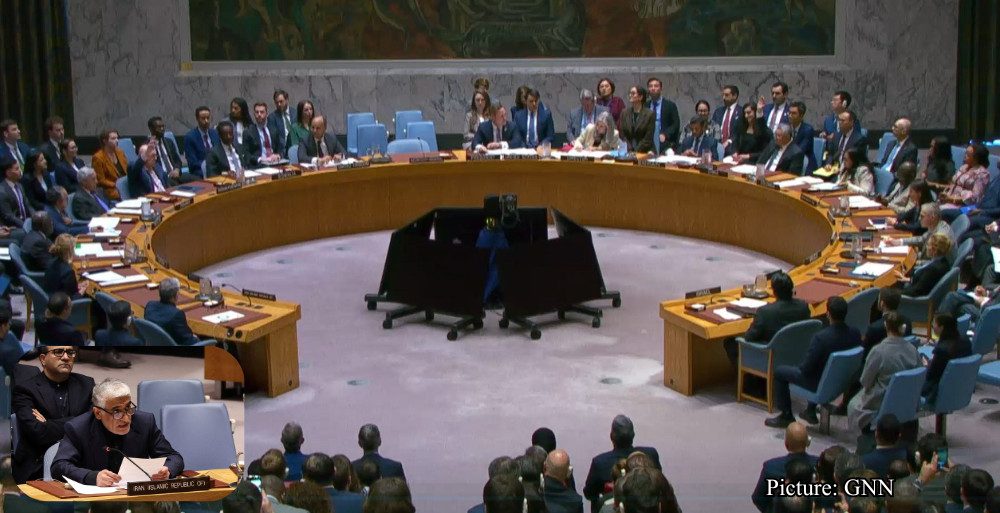






Iran’s top diplomat has delivered his most explicit warning yet to the United States, signaling a sharp escalation in rhetoric as Tehran faces international backlash over its violent crackdown on protesters and growing military pressure in the Middle East.
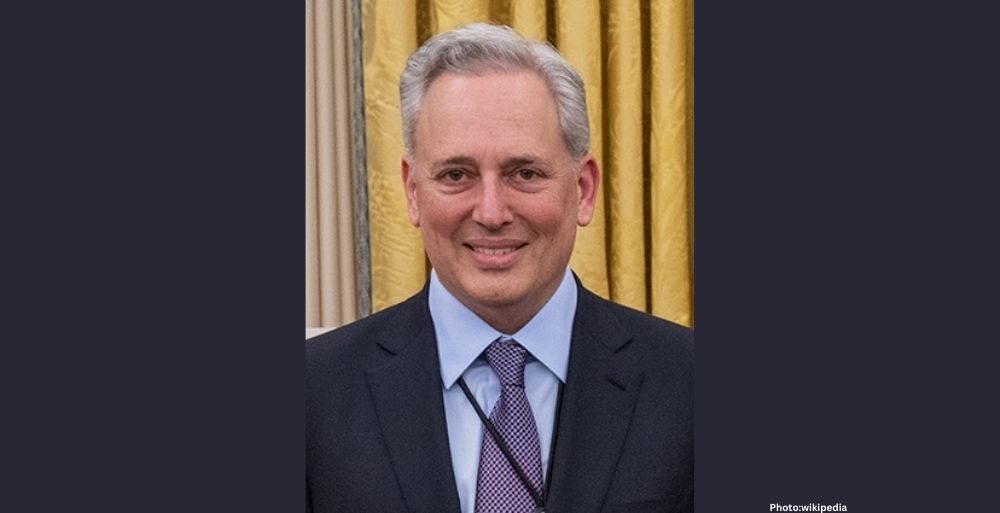
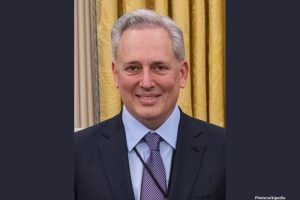
In a forceful statement published in an opinion piece in The Wall Street Journal, Iranian Foreign Minister Abbas Araghchi cautioned that Iran would respond with full military force if attacked again.
“Unlike the restraint Iran showed in June 2025, our powerful armed forces have no qualms about firing back with everything we have if we come under renewed attack,” Araghchi wrote.
“This isn’t a threat — it’s a reality I feel compelled to state clearly, because as a diplomat and a veteran, I abhor war.”
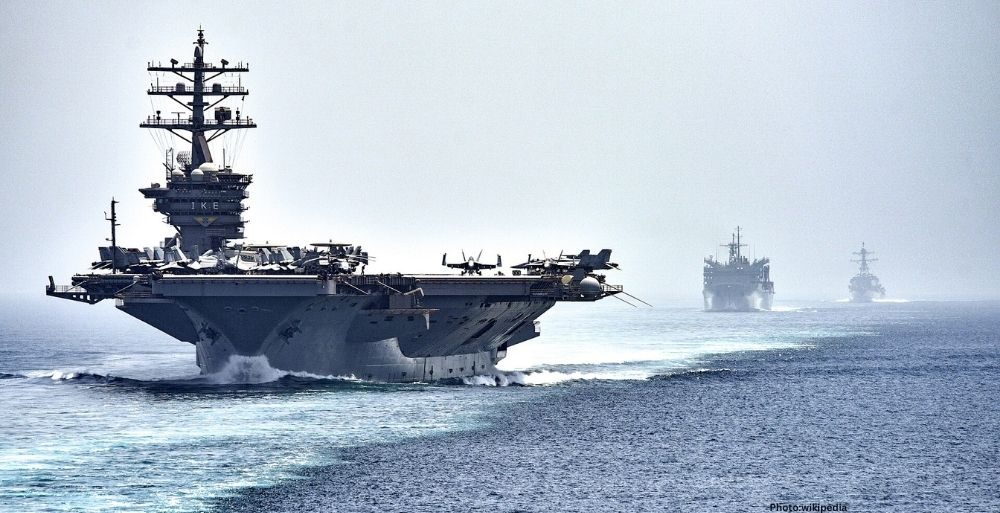
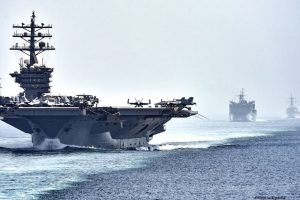
His remarks come as U.S. military activity intensifies near the Middle East, with warships, fighter aircraft, and missile systems reportedly repositioning in the region amid rising geopolitical strain.
Threat Follows Deadly Protest Crackdown and Global Condemnation
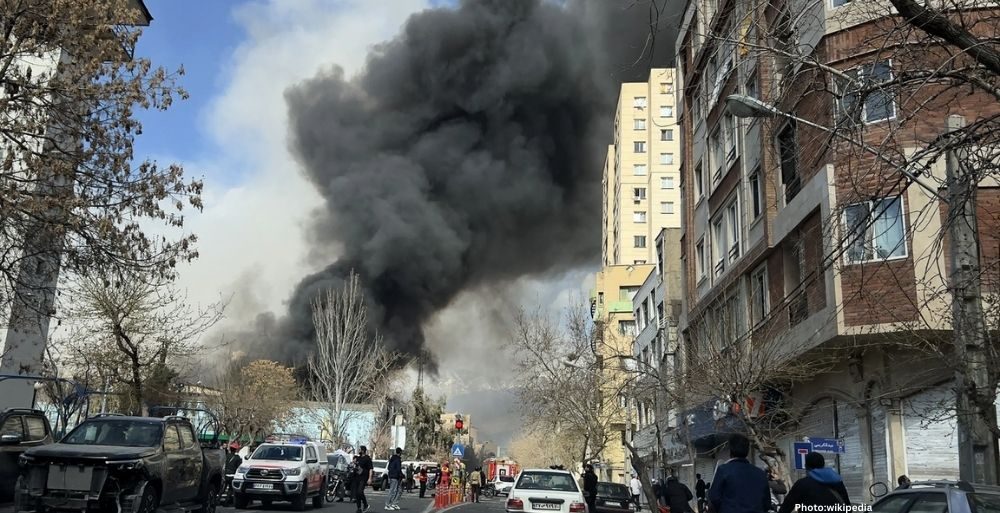
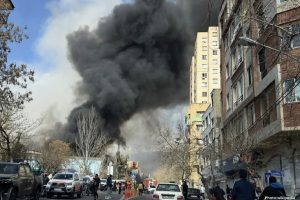
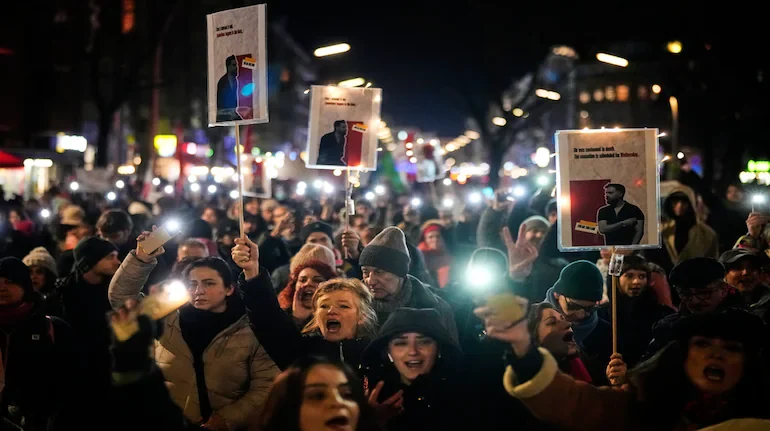
Araghchi’s comments follow Iran’s violent suppression of nationwide protests, which erupted over political grievances and economic hardship. While Iranian officials claim unrest lasted less than three days and was driven by armed agitators, leaked videos circulating despite an ongoing internet blackout appear to show security forces firing live ammunition at unarmed civilians.
The Iranian foreign minister reiterated claims that the government acted in response to violent demonstrators — assertions that remain disputed by international observers and human rights groups.
The backlash has also affected Iran diplomatically. Araghchi’s invitation to the World Economic Forum in Davos was reportedly withdrawn in response to the killings.
Iran Warns of Prolonged Regional Conflict
In his op-ed, Araghchi warned that any full-scale conflict involving Iran would extend far beyond the country’s borders.
“An all-out confrontation will be ferocious and will last far longer than the fantasy timelines being promoted to the White House,” he wrote.
“It would engulf the broader region and affect ordinary people across the world.”
Military analysts interpret his comments as a reference to Iran’s short- and medium-range missile capabilities, which were deployed previously during clashes with Israel. Iran reportedly retains unused missile stockpiles capable of targeting U.S. military bases and interests in the Persian Gulf.
Already, U.S. diplomatic travel has reportedly been restricted in Kuwait and Qatar, reflecting heightened security concerns.
U.S. Military Movement Signals Rising Risk of Confrontation
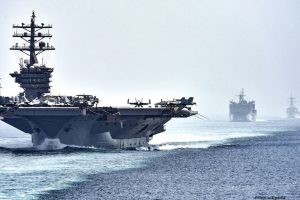
The USS Abraham Lincoln, previously operating in the South China Sea, has recently transited the Strait of Malacca into the Indian Ocean — positioning it only days away from Middle Eastern waters, according to ship-tracking data.
Although U.S. defense officials have not formally confirmed the carrier’s final destination, its trajectory suggests potential deployment toward the Gulf region.
Meanwhile, U.S. military imagery released in recent days shows F-15E Strike Eagle fighter jets arriving in the Middle East, along with HIMARS missile systems being repositioned — a platform previously used effectively by Ukraine during Russia’s invasion.
These movements follow recent American military operations in the Caribbean, where U.S. forces seized Venezuela’s President Nicolás Maduro, further heightening global strategic tensions.
Rising Casualties and Arrests Inside Iran
The scale of Iran’s internal crisis continues to grow. According to the Human Rights Activists News Agency, at least 4,519 people have been killed in connection with the protests — making it the deadliest period of unrest in Iran in decades.
The organization, which relies on a verified activist network inside Iran, has historically been regarded as a reliable tracker of casualties. Independent verification remains difficult due to Iran’s information blackout.
The death toll reportedly surpasses that of previous protest movements, including unrest seen during the 1979 revolution, which led to the formation of the Islamic Republic.
Iran’s Supreme Leader Ayatollah Ali Khamenei acknowledged the scale of casualties over the weekend, stating that “several thousand” people had died — while blaming the United States for instigating the unrest.
More Than 26,000 Arrested Amid Fears of Executions
Human rights monitors estimate that over 26,300 people have been arrested during the government crackdown. Concerns are growing that some detainees could face capital punishment, as Iran remains among the world’s leading executioners.
International observers and rights groups fear that summary trials or executions could follow, escalating humanitarian concerns.
The killings of peaceful protesters and the risk of mass executions have reportedly become two major red-line issues in U.S.–Iran tensions under Donald Trump, adding to the volatile diplomatic environment.
Conclusion: Escalating Rhetoric Raises Risk of Wider Conflict
Iran’s latest warning marks a sharp escalation in tone, combining domestic unrest, regional military posturing, and global geopolitical tensions into a high-risk flashpoint.
With thousands reportedly dead, tens of thousands detained, and U.S. military assets moving closer to the Middle East, analysts warn that miscalculation on either side could trigger a prolonged regional confrontation — with consequences extending far beyond Iran’s borders.