







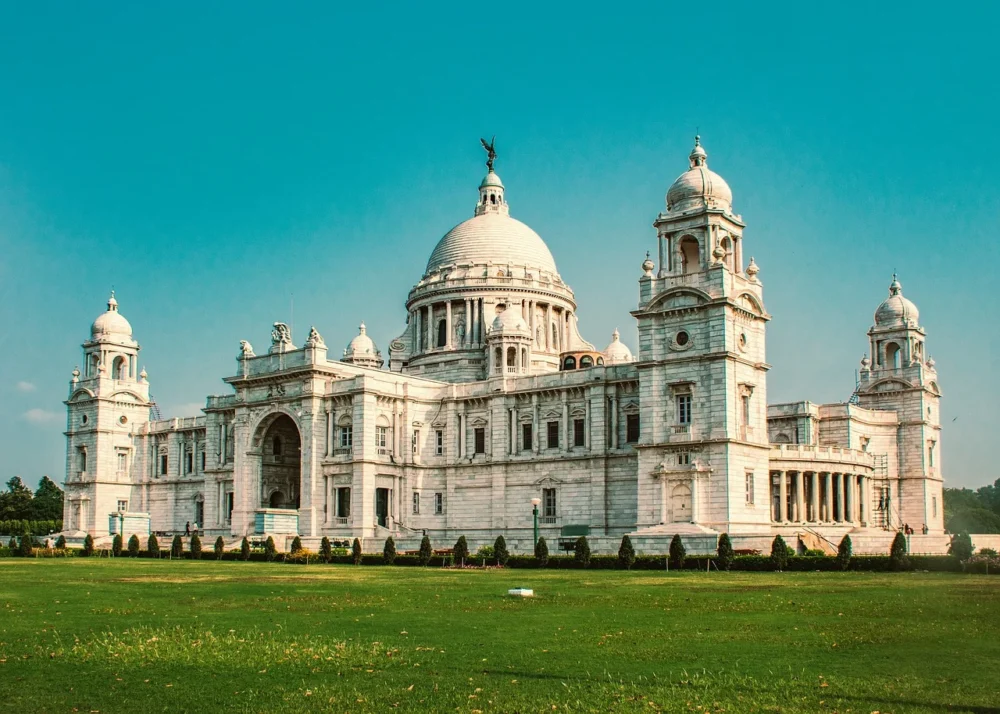
India’s cities are layered with history, royalty, and architectural brilliance, but when it comes to earning the title “City of Palaces,” one name stands out above all others — Kolkata. With its grand colonial mansions, aristocratic residences, and palace-like buildings spread across the city, Kolkata has long been associated with elegance, power, and refined living, particularly during the British era.
While cities such as Mysore are celebrated for their royal legacy and iconic palaces, historians and cultural scholars widely agree that the title City of Palaces most accurately belongs to Kolkata because of the sheer number and variety of palatial structures embedded within its urban fabric.
Why Kolkata Is Called the City of Palaces
Kolkata, formerly known as Calcutta, served as the capital of British India until 1911. During this period, the city became the political, economic, and cultural nerve centre of the subcontinent. British officials, wealthy zamindars, merchants, and Indian aristocrats constructed sprawling mansions inspired by European neoclassical, Baroque, and Indo-European architectural styles.
“These were not just residences; they were statements of power and prestige,” says a Kolkata-based heritage conservationist. “The city evolved into a landscape of palaces rather than one royal complex, which is why the title fits Kolkata so naturally.”
Unlike cities known for a single royal palace, Kolkata developed as a city filled with palace-like buildings — each reflecting a different chapter of colonial ambition, Bengali aristocracy, and cultural renaissance.
A Capital Shaped by Grandeur
As the seat of British governance, Kolkata attracted immense wealth and influence. The British built imposing administrative residences, while Indian elites responded by constructing equally grand homes that blended European aesthetics with Indian traditions.
A senior historian from West Bengal noted, “The British presence reshaped Kolkata’s skyline. The aristocracy adopted global architectural trends, resulting in mansions that rivalled royal palaces in scale and splendour.”
This concentration of monumental buildings earned Kolkata its enduring nickname and left behind a legacy that still defines the city’s character.
Kolkata vs Mysore: Understanding the Difference
Mysore is undeniably one of India’s most royal cities, famed for the magnificent Mysore Palace, a symbol of the Wadiyar dynasty’s legacy. However, Mysore’s royal identity revolves primarily around one central palace and a cluster of nearby heritage sites.
Kolkata, by contrast, is dotted with palace-like structures across multiple neighbourhoods. Its identity is not tied to a single monument but to an entire architectural ecosystem of mansions and estates.
| Aspect | Kolkata | Mysore |
|---|---|---|
| Number of Palaces | Numerous palace-like buildings | One iconic palace |
| Architectural Style | Colonial, Indo-European | Indo-Saracenic |
| Historical Role | Capital of British India | Royal seat of Wadiyars |
| City Identity | City of Palaces | Royal Heritage City |
Iconic Palatial Landmarks in Kolkata
Several structures exemplify why Kolkata deserves its regal title:
- Marble Palace – Renowned for its marble walls, sculptures, and priceless art collection, this mansion remains one of Kolkata’s most striking aristocratic homes.
- Raj Bhavan – Once the residence of the British Governor-General, this grand structure symbolised imperial authority and governance.
- Belvedere Estate – A colonial-era building known for its stately charm and historical importance.
- Jorasanko Thakur Bari – The ancestral home of the Tagore family, reflecting the intellectual and cultural aristocracy of Bengal.
- Sovabazar Rajbari – A traditional Bengali palace that showcases indigenous royal architecture and heritage.
Each of these buildings tells a story of wealth, influence, and cultural refinement, reinforcing Kolkata’s identity as a city of palaces rather than a city with a palace.
Cultural and Historical Significance
These palatial residences were not merely architectural achievements; they were centres of art, literature, politics, and social reform. Kolkata’s mansions hosted debates that shaped India’s freedom movement and cultural renaissance.
“Kolkata’s palaces were spaces where modern India was imagined,” says a cultural historian. “They played a vital role in shaping intellectual thought, art, and nationalism.”
Best Time to Visit Kolkata
The ideal time to explore Kolkata is from October to March, when the weather is pleasant. This period also coincides with Durga Puja, the city’s grandest festival, offering visitors a unique blend of heritage, art, and celebration.
How to Reach Kolkata
- By Air: Netaji Subhas Chandra Bose International Airport connects Kolkata to major Indian and global cities.
- By Train: Howrah and Sealdah railway stations serve as key rail hubs linking the city nationwide.
- By Road: National highways and extensive bus services provide smooth road connectivity.
The Final Verdict
India may have many royal cities, but Kolkata stands apart. With its unmatched concentration of palatial mansions, colonial estates, and aristocratic homes, Kolkata rightfully earns the title “City of Palaces.” It is a city where history lives not in one monument, but in every grand doorway, column, and courtyard.