




State of Statelessness, a quietly devastating quartet of short films by Tibetan filmmakers living in exile, is less a cinematic anthology than a collective act of remembrance. United by loss, displacement, and emotional restraint, the films offer a rare, inward-looking portrait of Tibetan life beyond Tibet—one shaped by migration, fractured families, and an enduring fear that cultural erasure may follow political exile.
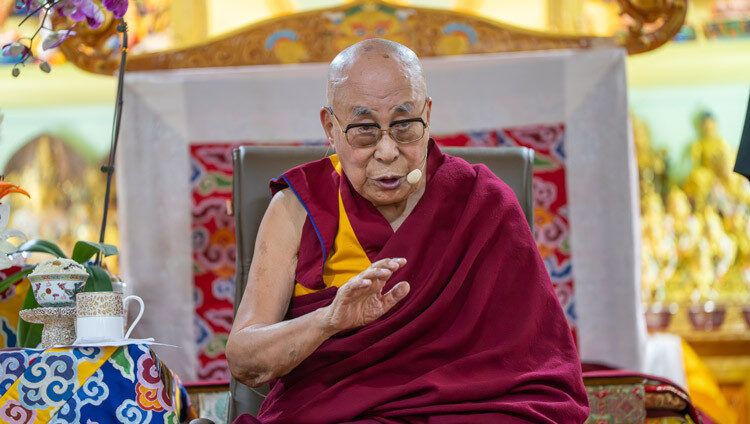
The films do not shout their politics. Instead, they allow domestic spaces, strained silences, and fleeting gestures to speak for a people whose national identity exists largely outside official borders. Across the collection, the image of the 14th Dalai Lama, now 90 years old, appears in photographs placed on household shrines—serene, smiling, and profoundly symbolic. His presence functions not as reassurance, but as a reminder of impermanence.
As one character reflects with stark clarity, the question hangs unanswered: what will prevent China from erasing Tibetan identity once its globally revered spiritual leader is no longer here?
Exile as a State of Mind
The opening film follows a Tibetan man living in Vietnam, outwardly content yet emotionally unmoored. He shares a loving marriage and dotes on his bright, affectionate young daughter. Their life appears settled, even joyful, but his eyes betray a deeper sorrow.
His home lies along the Mekong River—a geographical detail heavy with metaphor. The river originates in Tibet, and its flow southward becomes both a physical and emotional tether to a homeland he cannot return to. The Mekong also carries the weight of geopolitical power: Chinese hydropower dams upstream have caused drought downstream in Vietnam, turning the river into a reminder not just of loss, but of domination.
Without overt commentary, the film draws a parallel between environmental control and cultural suppression. Exile, it suggests, is not simply about distance—it is about living daily with reminders of powerlessness.
Funerals, Returns, and Unfinished Goodbyes
Two of the short films return viewers to Dharamshala, the Indian hill town that has served for decades as the heart of the Tibetan refugee community. These stories revolve around family funerals, moments when exile briefly pauses and the past rushes back in.
Dharamshala is depicted not as a sanctuary, but as a place heavy with accumulated grief—where generations mourn not only loved ones, but the lives they might have lived had history taken a different course. The films resist sentimentality. Funerals are quiet, rituals restrained, emotions tightly contained.
One filmmaker captures the essence of exile through absence rather than presence—empty rooms, paused conversations, eyes avoiding direct contact. The message is clear: even in community, Tibetans in exile remain suspended between worlds.
The Quiet Devastation of Broken Lives
The most emotionally harrowing film in the collection follows a Tibetan artist living in Dharamshala whose marriage has been fractured by an unnamed tragedy. He walks with a limp—both physical and symbolic—and clings to anticipation as he prepares to host an old school friend visiting from New York.
“My friend protected me at school,” he tells his wife, hinting at a past defined by vulnerability and survival. The dinner he eagerly prepares becomes a painful unravelling. His friend is dismissive, restless, and eager to leave. The gulf between diaspora experiences—between those who have assimilated into Western life and those still bound to communal exile—becomes painfully visible.
The film’s closing moments are among the most affecting in State of Statelessness. The camera lingers on the artist’s wife as he cries out of frame—raw, uncontained grief finally breaking through. She looks down, unsympathetic, exhausted.
There is no reconciliation, no emotional release. Only silence.
A deep, suffocating sadness settles over the film—and over the collection as a whole.
Dalai Lama as Symbol, Not Salvation
Throughout State of Statelessness, the Dalai Lama appears not as a figure of hope, but as a fragile symbol anchoring an uncertain future. His photograph on household altars feels almost like a question rather than an answer.
The films quietly acknowledge an unspoken fear within the Tibetan community: that global attention to Tibet is inseparable from his presence, and that when he is gone, international memory may fade with him.
These are not films about resistance in the conventional sense. They are films about endurance, about living with the knowledge that survival itself has become political.
A Work of Subtle Power
State of Statelessness succeeds because it trusts its audience. It does not explain Tibetan history, nor does it simplify exile into digestible tragedy. Instead, it offers fragments of lives lived in between—between homelands, identities, and generations.
The result is a haunting, deeply human cinematic experience that lingers long after the screen fades to black.
State of Statelessness opens in UK cinemas on January 16.