





The U.S. Embassy in India has issued a fresh advisory cautioning international students that any arrest or violation of U.S. law may result in immediate visa revocation, deportation, and future ineligibility for entry, a warning that comes amid shifting trends in India–U.S. educational exchanges and a notable decline in new student inflows.
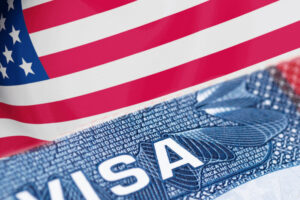
The advisory, released on January 7, is directed at holders of U.S. student visas, including those on F-1 status, and underscores the strict enforcement powers held by American immigration authorities. According to the embassy, even minor legal violations can have serious immigration consequences.
“If you are arrested or violate any U.S. laws, your visa may be revoked immediately, you may be deported, and you may be found ineligible for future U.S. visas,” the advisory stated, emphasising that compliance with local, state, and federal laws is a condition of maintaining lawful student status.
While the embassy clarified that the notice does not introduce new policy changes, it reiterated that U.S. immigration regulations have long allowed visa revocation following arrests or legal violations, even in cases where no conviction has been secured. Legal experts note that such revocations are administrative decisions and fall outside the criminal justice process.
India Remains Top Source of U.S. Students
The advisory comes at a time when India continues to be the largest source of international students in the United States, even as signs of stress emerge in the education pipeline.
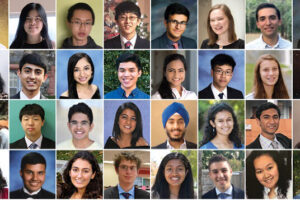
According to the Institute of International Education (IIE) Open Doors 2025 report, released in November 2025, a total of 363,019 Indian students were enrolled in U.S. higher education institutions during the 2024–2025 academic year. This marked a 10 percent year-on-year increase, solidifying India’s position as the leading contributor to America’s international student population.
Indian students now account for a significant share of enrolments across STEM programmes, business schools, and professional degrees, making them central to the financial and academic ecosystems of U.S. universities.
Sharp Drop in New Enrolments Raises Concerns
Despite the strong overall numbers, recent data points to a sharp decline in new student inflows from India. The IIE Fall 2025 International Student Enrollment Snapshot reported a significant drop in first-time enrolments, aligning with broader estimates that suggest a 40–50 percent reduction in F-1 visa issuances to Indian nationals during parts of 2025, compared with the previous year.
Education consultants and university administrators have attributed the decline to a combination of visa processing delays, heightened scrutiny, rising tuition costs, and increased competition from alternative destinations.
Countries such as Australia, Canada, and the United Kingdom have actively positioned themselves as more predictable and welcoming options for Indian students, offering post-study work pathways and comparatively streamlined visa processes.
Economic and Strategic Implications
The potential long-term impact of declining international enrolments has raised alarms among policymakers and commentators in the United States. Indian-origin CNN journalist Fareed Zakaria recently described international education as a “$40–$50 billion business a year” for U.S. universities, noting that the system is heavily reliant on full-fee-paying foreign students.
“That’s all going away,” Zakaria warned, arguing that sustained reductions in international student inflows could erode both university finances and America’s global influence.
He further cautioned that international students play a crucial role in projecting U.S. soft power, forming long-term professional, cultural, and political ties with the country. A decline in these exchanges, he suggested, could weaken the United States’ standing in an increasingly competitive global education market.
Advisory Reiterates Compliance Expectations
The U.S. Embassy has maintained that the advisory is intended as a reminder rather than a deterrent, reinforcing expectations that international students must adhere strictly to U.S. laws throughout their stay.
Immigration analysts note that even non-criminal issues—such as alcohol-related offences, traffic violations tied to arrests, or breaches of visa conditions—can trigger review by consular and immigration authorities.
As Indian students and families weigh study-abroad decisions, the advisory adds another layer of caution to an already complex landscape shaped by visa uncertainty, geopolitical shifts, and evolving global education preferences.