






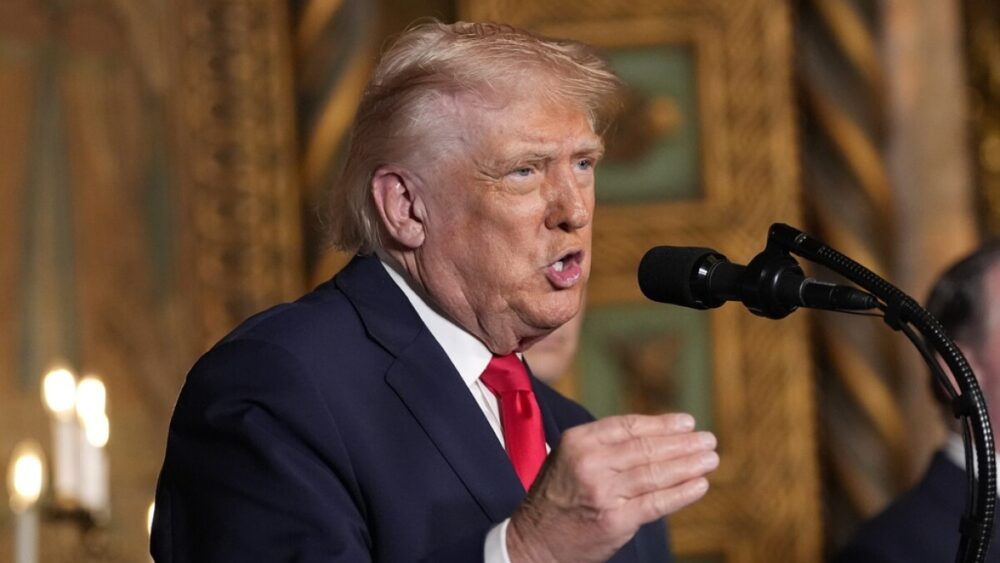
What were once routine, bipartisan pieces of legislation have abruptly become symbols of political reprisal after US President Donald Trump issued the first vetoes of his second term, rejecting two low-profile bills that had sailed through Congress with little controversy. The move has sent ripples through Capitol Hill, raising questions about whether the veto power is being used not merely on policy grounds, but as a tool to discipline allies and critics alike.
The vetoes, announced by the White House late Tuesday, targeted legislation backed by members of Trump’s own party. One bill, sponsored by Colorado Republican Lauren Boebert, sought to advance a long-delayed drinking water pipeline project in eastern Colorado. The other would have expanded land control rights for the Miccosukee Tribe of Indians of Florida, a Native American community currently locked in legal disputes with the administration over immigration enforcement in the Everglades.
Until the vetoes, both measures had enjoyed bipartisan backing and had largely escaped the ideological battles that dominate Washington. Their sudden rejection has fueled speculation that the president’s decisions were driven as much by politics as by policy.
A Signal to Allies and Adversaries
Trump’s veto of the Miccosukee-related legislation was accompanied by a pointed explanation. In a letter to Congress, the president directly linked his decision to the tribe’s opposition to a controversial immigration detention center in the Florida Everglades, widely dubbed “Alligator Alcatraz.”
“The Miccosukee Tribe has actively sought to obstruct reasonable immigration policies that the American people decisively voted for when I was elected,” Trump wrote, making explicit his view that the tribe’s legal challenges to the administration weighed against granting it greater autonomy over tribal lands.
The veto involving Boebert’s legislation was less direct, but no less politically charged. Trump did not mention the congresswoman by name in his formal veto message, instead citing concerns about the cost of the water pipeline project. Yet his later comments sharpened the political edge.
In an interview with Politico, Trump criticized Colorado’s Democratic governor Jared Polis, claiming the state was “wasting a lot of money” and losing residents. “They’re leaving the state in droves,” Trump said. “Bad governor.”
Retaliation or Policy Dispute?
For Boebert, the veto landed amid an already strained relationship with the president. Though long considered one of Trump’s most loyal allies in the House, she was among four Republicans who broke ranks earlier this year to support legislation forcing the release of Justice Department files related to convicted sex offender Jeffrey Epstein. Trump initially opposed the measure before reversing course as Republican support grew.
Boebert suggested the veto of her bill may have been payback. “I sincerely hope this veto has nothing to do with political retaliation for calling out corruption and demanding accountability,” she wrote in a statement shared on social media. “Americans deserve leadership that puts people over politics.” In a subsequent post, she added pointedly: “This isn’t over.”
Her legislation, titled the Finish the Arkansas Valley Conduit Act, aimed to improve access to clean drinking water in southeastern Colorado, a region that has relied on temporary solutions for decades. Supporters argue the bill did not authorize new construction spending, but merely adjusted repayment terms tied to a long-standing federal commitment.
Republican Rep. Jeff Hurd, a co-sponsor of the measure, expressed frustration at the veto. “This was a bipartisan, unanimous bill passed by Congress to uphold a long-standing federal commitment to southeastern Colorado,” Hurd said, adding that he was “deeply disappointed” by the president’s decision.
Silence and Strategy in the White House
The second veto, involving the Miccosukee Tribe, was sponsored by Florida Republican Carlos Gimenez, whom Trump has previously endorsed. Neither Gimenez nor representatives of the tribe immediately commented on the veto, leaving questions about how the decision will reshape relations between the administration, Congress, and Native American groups.
When asked directly whether the vetoes were meant as punishment for political dissent, the White House declined to answer, instead pointing reporters back to Trump’s written explanations. That silence has only amplified concerns among lawmakers about the message being sent.
The Road Ahead
Congress retains the power to override presidential vetoes with a two-thirds vote in both chambers. However, with Republicans controlling the House and Senate—and a midterm election year looming—the odds of assembling such a majority appear slim. Many GOP lawmakers will be on the ballot soon and are likely to rely on Trump’s backing, making open defiance politically risky.
For now, the vetoes stand as an early signal of how Trump may wield power in his second term. What began as noncontroversial bipartisan efforts to address clean water access and tribal governance have become cautionary tales in a deeply polarized political climate.
As one senior Republican aide privately observed, “The policy details matter—but the message matters more.” In Washington, that message is being read loud and clear.