







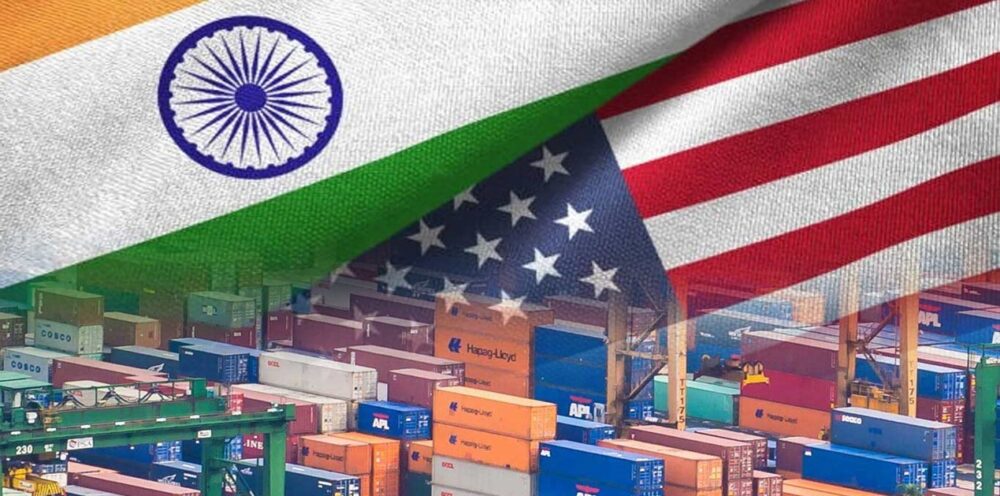
India has unveiled a set of reforms aimed at streamlining import quality checks, signaling its intent to address long-standing concerns raised by the United States as both countries work toward finalizing a broader trade agreement.
The announcement, made on December 24, comes amid intensified negotiations between India and the United States, as New Delhi seeks relief from steep tariffs imposed by Donald Trump on key Indian exports.
Cutting Red Tape to Ease Trade Frictions
In a statement released on Wednesday, India’s trade ministry said the reforms are designed to reduce bureaucratic hurdles that have often delayed imports and increased compliance costs for businesses.
The changes include:
- Reduced paperwork for import quality certifications
- Shorter timelines for approvals
- Fewer physical inspections
- Increased reliance on digital and risk-based assessment systems
“These reforms aim to accelerate processes, reduce turnaround times, and leverage technology-driven systems to make quality assurance faster, more transparent, and more accessible for enterprises, institutions, and citizens,” said Jaxay Shah, Chairman of the Quality Council of India.
Officials said the reforms are part of a broader push to modernize India’s trade infrastructure and align regulatory practices more closely with global standards.
Addressing U.S. Concerns
The United States has repeatedly flagged India’s import quality requirements as “burdensome,” arguing that complex certification rules and overlapping inspections act as non-tariff barriers for American exporters.
These concerns have taken on added urgency as New Delhi and Washington negotiate a trade agreement that India hopes will help soften the impact of a 50% tariff imposed by the U.S. on certain Indian goods.
The tariffs were introduced as part of punitive measures linked to India’s continued purchases of Russian oil, a policy choice that has drawn criticism from Washington amid geopolitical tensions.
Trade analysts say India’s move to simplify import checks is a clear signal of goodwill toward the U.S. as negotiations progress.
“This is a tactical but important reform,” said a New Delhi–based trade policy expert. “Non-tariff barriers often matter more than headline tariffs in day-to-day trade, and easing these rules directly addresses U.S. complaints.”
Balancing Trade and Strategic Interests
India’s reforms come at a delicate moment in its foreign and economic policy. While maintaining strategic autonomy — including energy ties with Russia — New Delhi has also sought to deepen economic engagement with the United States, its largest trading partner.
Bilateral trade between India and the U.S. has expanded significantly over the past decade, encompassing goods, services, technology, and defense cooperation. However, trade disputes over tariffs, market access, and regulatory standards have periodically strained relations.
By simplifying import quality checks, India aims to demonstrate regulatory flexibility without compromising domestic standards, officials said.
“The focus is on smarter regulation, not weaker regulation,” a government official familiar with the reforms noted. “Risk-based inspections and digital tools allow us to maintain quality while reducing friction.”
Industry Reaction
Business groups and importers welcomed the announcement, saying delays in quality certification have often disrupted supply chains and raised costs.
“Reducing inspection bottlenecks will improve predictability for companies operating in India,” said a representative of an international trade association. “This is especially important at a time when global supply chains are under stress.”
Domestic manufacturers, however, cautioned that implementation will be key. Some industry bodies have previously expressed concern that faster approvals could lead to uneven enforcement if not properly monitored.
Technology-Driven Oversight
According to the trade ministry, the reforms emphasize the use of digital platforms to submit documentation, track approvals, and flag high-risk consignments. Authorities plan to rely more heavily on data analytics and compliance history rather than blanket inspections.
Such technology-driven oversight, officials said, would free up resources to focus on higher-risk imports while facilitating smoother entry for compliant traders.
“This approach aligns India with global best practices,” said Shah. “It reduces discretion, increases transparency, and builds trust in the system.”
Implications for the U.S. Trade Deal
While the reforms alone are unlikely to resolve all trade disputes between India and the United States, experts say they strengthen New Delhi’s negotiating position by addressing a concrete U.S. demand.
“Trade agreements are built on signals as much as substance,” said a former Indian trade negotiator. “This sends a message that India is serious about removing friction points.”
Negotiations between the two countries are ongoing, with discussions expected to cover tariffs, digital trade, market access, and regulatory alignment. Indian officials hope progress on import checks will help create momentum for a broader agreement.
Looking Ahead
India’s move reflects a broader recalibration of its trade policy as it seeks to balance domestic priorities with global economic integration. With export growth under pressure from tariffs and global uncertainty, easing procedural barriers could help sustain trade flows and attract investment.
For now, all eyes remain on whether the reforms translate into faster clearances on the ground — and whether they help unlock a trade deal that could reshape economic ties between two of the world’s largest democracies.