








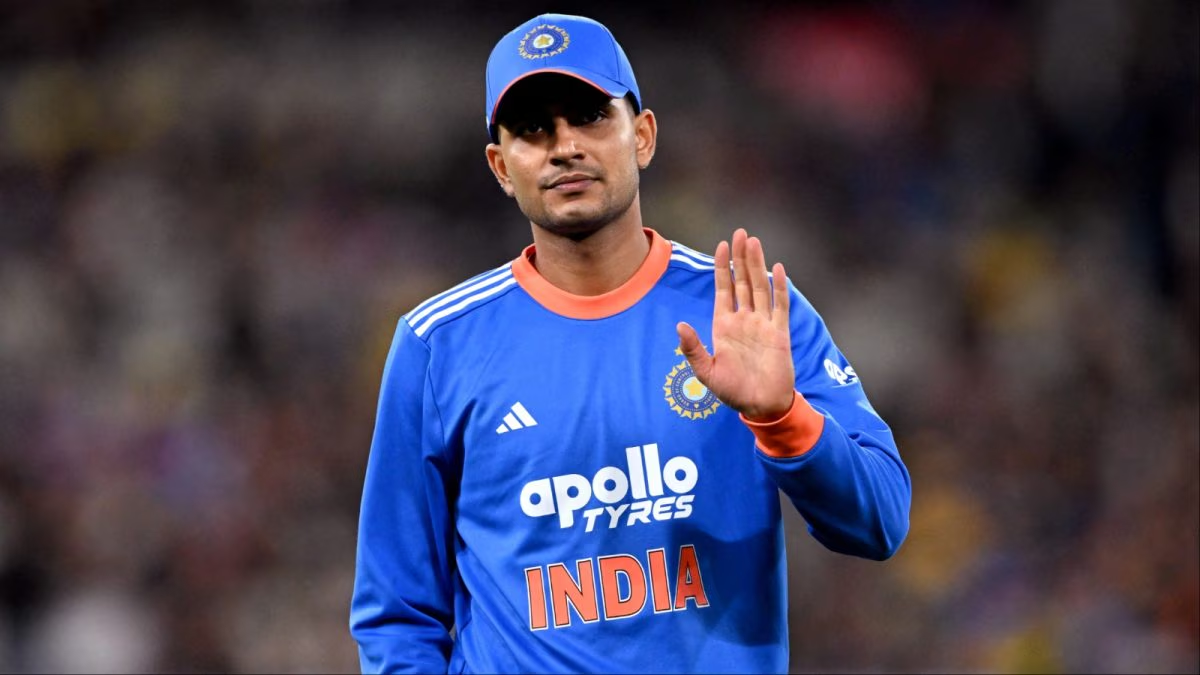
NEW DELHI — In one of the most talked-about selection calls ahead of the ICC Men’s T20 World Cup, Indian selectors have left out Shubman Gill, opting instead for a squad composition that emphasises explosive Powerplay scoring and greater balance in the middle and death overs.
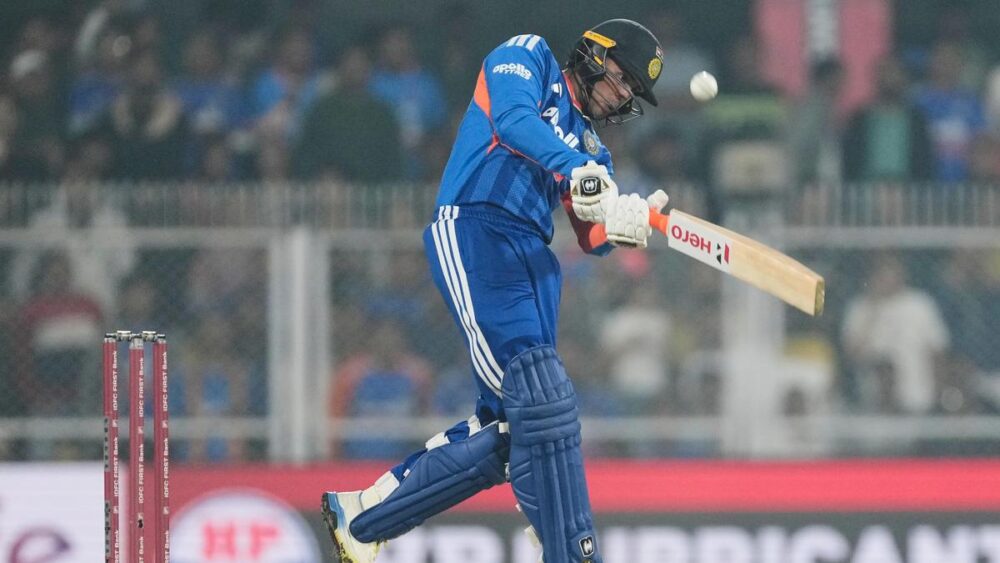
The decision, taken by the selection committee led by Ajit Agarkar, comes just five months after Gill was recalled to the T20 side and named vice-captain for the Asia Cup. Since then, he had been tried extensively as an opener alongside Abhishek Sharma across three bilateral series, underlining how dramatically the selectors’ thinking has shifted ahead of the global tournament.
Why Gill Missed Out
According to sources familiar with the selection discussions, two factors proved decisive: Gill’s strike rate during the Powerplay and the overall team combination. While Gill’s recent form was a concern — he has gone 18 T20I innings without a half-century — insiders say it was not the sole reason for his omission.
Instead, selectors and team management concluded that India could not afford a conservative start at the top in a tournament where Powerplay momentum is increasingly decisive. In modern T20 cricket, especially in multi-venue tournaments where pitches can slow down as the competition progresses, early acceleration is often seen as the difference between competitive totals and match-winning ones.
Agarkar, addressing the decision, made it clear that the call was tactical rather than a reflection of Gill’s ability.
“You’re looking at combinations at the moment. Someone has to miss out when you take 15. And unfortunately, it’s him. It’s not because he’s not a good player,” Agarkar said.
Powerplay Philosophy Takes Center Stage
Since Suryakumar Yadav took over as T20 captain and Gautam Gambhir assumed the head coach’s role, India’s T20 approach has leaned decisively toward aggression. The blueprint that delivered the 2024 T20 World Cup title was built on relentless intent with the bat, even at the cost of early wickets.
That philosophy influenced the decision to back Sanju Samson as a top-order batter alongside Abhishek Sharma. The combination is designed to put opposition bowling attacks under pressure from ball one, a tactic the think tank believes could be decisive on slower surfaces later in the tournament.
However, that aggressive strategy comes with inherent risk. During internal meetings between selectors and team management, one question reportedly dominated the discussion: what happens if India lose two or three wickets inside the first six overs?
With Suryakumar himself enduring a lean patch, the management was reluctant to go into a World Cup with two top-order batters struggling for rhythm. This concern ultimately tilted the balance in favour of a more robust middle- and lower-order option.
Rinku Singh’s Role as the Finishing Insurance
That is where Rinku Singh emerged as a key figure. Seen as a specialist finisher who can absorb pressure and close out innings, Rinku’s inclusion was viewed as essential to reduce over-reliance on Hardik Pandya in the death overs.
With Tilak Varma, Shivam Dube, Suryakumar and Pandya forming the middle order, Rinku provides a safety net if early aggression backfires. His presence, selectors believe, allows India to stay committed to a high-risk approach without being overly exposed.
Wicketkeeping and Squad Balance
Gill’s omission had a domino effect on other selection calls. With Samson confirmed as the first-choice wicketkeeper and opener, the selectors opted for Ishan Kishan as the backup, given his ability to open the batting and keep wickets. That decision meant Jitesh Sharma also missed out on the 15-member squad.
Left-handers Washington Sundar and Rinku Singh were both retained, further reinforcing the emphasis on flexibility and matchup-based tactics.
Conditions, Venues and Strategic Thinking
India are scheduled to play across six different venues during the tournament, increasing the likelihood of variable conditions. The recent T20I against South Africa in Ahmedabad, where scoring became progressively tougher, reinforced the belief that Powerplay runs will be at a premium as pitches wear.
By stacking the top order with intent and the middle order with composure, the selectors believe India can adapt to both flat tracks and slower, gripping surfaces.
A Tough Call, Not a Permanent Verdict
For Gill, the omission is undoubtedly a setback, especially given his stature as India’s Test and ODI captain. Yet selectors insist the door remains open.
The message from the selection committee is clear: this is a decision driven by tournament-specific needs rather than a long-term judgment on Gill’s T20 credentials. In a format where roles are becoming increasingly specialised, even elite players can find themselves edged out by tactical priorities.
India will open their T20 World Cup campaign against the United States on February 7, followed by matches against Namibia (February 12), Pakistan (February 15 in Colombo), and the Netherlands (February 18 in Ahmedabad). The Super 8s begin on February 21, with the final scheduled for March 8.
As the countdown begins, the spotlight will remain firmly on whether India’s gamble on Powerplay firepower and finishing depth delivers the ultimate prize — and whether leaving out a player of Gill’s calibre proves to be a masterstroke or a missed opportunity.