




Several of the world’s largest pharmaceutical companies have entered voluntary agreements with the Trump administration to lower the prices of prescription medicines in the United States, marking one of the most significant federal efforts in decades to address the country’s high drug costs.
The deals, announced on Friday, involve nine major U.S. and European drugmakers — Merck, Bristol Myers Squibb, Amgen, Gilead Sciences, GSK, Sanofi, Roche’s Genentech, privately held Boehringer Ingelheim, and Novartis. Under the agreements, the companies have committed to selling certain medicines at reduced prices in the U.S. market in exchange for a three-year exemption from pharmaceutical-specific tariffs proposed by President Donald Trump, provided they expand or maintain manufacturing investments in the United States.
The agreements are part of Trump’s revived “most favored nation” pricing policy, which seeks to link U.S. drug prices to the lower prices paid in other developed countries. Trump signed an executive order in May reintroducing the policy, arguing that Americans have long subsidized cheaper medicines abroad.
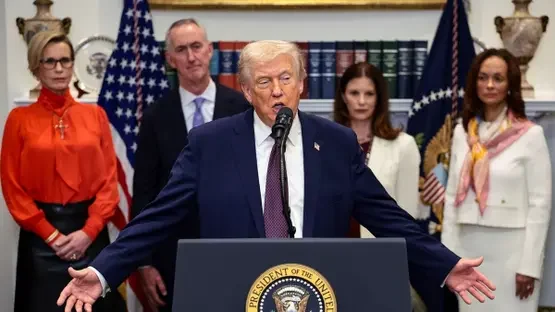
“As of today, 14 out of the 17 largest pharmaceutical companies have now agreed to drastically lower drug prices for the American people,” Trump said during a White House event. “This represents the greatest victory for patient affordability in the history of American health care.”
Free and Deeply Discounted Medicines
One of the most notable commitments came from Bristol Myers Squibb, which announced that it will provide Eliquis — its blockbuster blood thinner and one of the most widely prescribed drugs in the U.S. — free of charge to Medicaid patients. The move is expected to significantly reduce costs for millions of low-income Americans who rely on the medication to prevent strokes and blood clots.
While the administration has not yet released the full legal text of the agreements, officials said the companies have agreed to multiple measures aimed at reducing U.S. drug prices. These include selling existing treatments to Medicaid beneficiaries at the lowest “most favored nation” prices and committing to price guarantees for new medicines entering the market.
Trump also said the participating drugmakers will list their most popular medications on a forthcoming direct-to-consumer platform, TrumpRx, which is scheduled to launch in January. The platform is intended to allow patients to purchase certain drugs directly at discounted prices, bypassing traditional intermediaries.
Several companies announced additional initiatives alongside the government agreements. Gilead Sciences said it will launch a program to provide its hepatitis C cure, Epclusa, at a reduced price. Sanofi said it will offer discounts of nearly 70% on selected treatments for infections, cardiovascular disease, and diabetes through TrumpRx and other direct-purchase channels.
Merck announced that it will sell three diabetes medications — Januvia, Janumet, and Janumet XR — at roughly 70% discounts for cash-paying patients through a direct-to-patient program. The company said the same pricing approach would be extended to its experimental daily cholesterol pill if it receives U.S. approval.
“I reflect on your goal of driving affordability and access to Americans, but equally, getting prices up outside the United States,” Merck CEO Robert Davis said at the announcement. “We’re 100% supportive of your actions.”
Amgen said it will expand its existing direct-to-patient program to include migraine prevention drug Aimovig at a 60% discount and autoimmune treatment Amjevita at discounts of up to 80%.
Industry Pressure and Global Stakes
The nine companies account for the majority of the 17 drugmakers Trump contacted in July urging voluntary price reductions. Johnson & Johnson, AbbVie, and Regeneron remain unsigned, though Trump said Johnson & Johnson is expected to reach an agreement soon.
Earlier this year, the administration reached similar deals with Eli Lilly, Novo Nordisk, Pfizer, AstraZeneca, and EMD Serono, offering tariff relief and regulatory incentives in exchange for lower prices.
The push comes amid longstanding concerns over U.S. prescription drug costs, which remain far higher than those in other wealthy nations. A 2024 study by the RAND Corporation found that U.S. prescription drug prices are nearly three times higher on average than overseas, while branded medicines cost more than four times as much.
The pharmaceutical industry’s main trade group, PhRMA, has criticized the “most favored nation” approach, arguing that pharmacy benefit managers and rebate structures — not manufacturer prices alone — are responsible for cost disparities.
Nevertheless, the U.S. remains the most important market for global drugmakers. Even European pharmaceutical firms derive a majority of their revenue from American sales, making them particularly vulnerable to U.S. policy shifts.
While analysts caution that the real impact of the agreements will depend on their scope and enforcement, the deals represent a rare moment of coordinated price concessions in an industry long resistant to government pressure — and a central pillar of Trump’s effort to reshape the U.S. drug pricing system.