









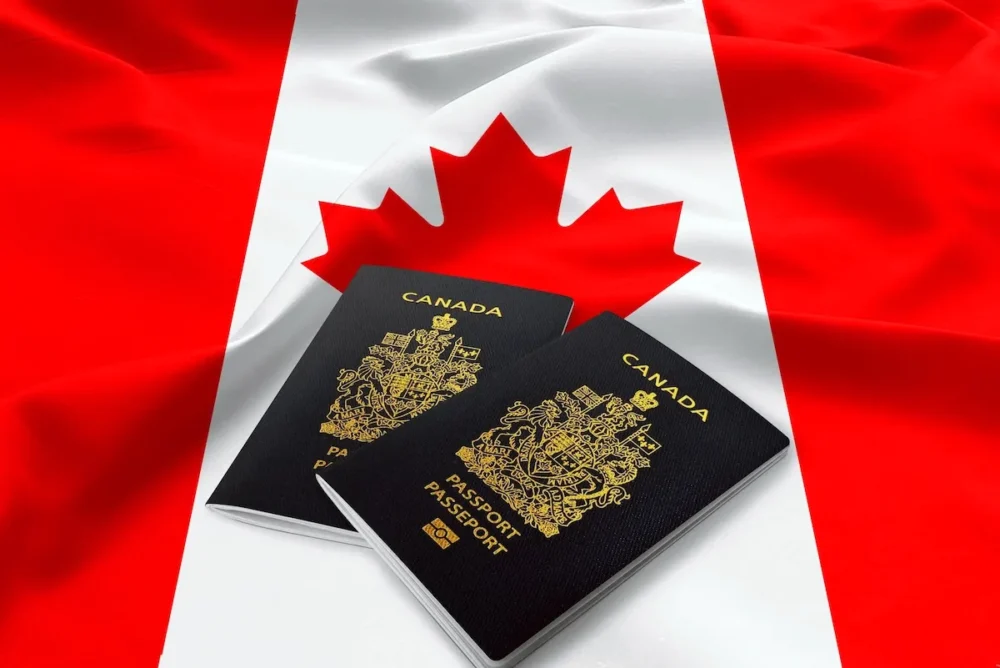
Canada has taken a significant step toward modernising its citizenship laws, expanding eligibility for people born outside the country and correcting long-standing exclusions that affected families across generations. With Bill C-3 coming into force on December 15, 2025, Ottawa has effectively reshaped how Canadian citizenship by descent is recognised, creating new opportunities for thousands who were previously left in legal limbo.
Under the new legislation, individuals who were denied citizenship because of the “first-generation limit” or outdated provisions in earlier citizenship laws are now automatically recognised as Canadian citizens. In addition, those eligible can formally apply for proof of citizenship, providing long-awaited clarity and legal certainty.
Ending the First-Generation Limit
For years, Canada’s citizenship framework allowed citizenship to be passed to children born abroad only if the Canadian parent was born in Canada or had naturalised before the child’s birth. This restriction, known as the first-generation limit, created complex situations where Canadian families living overseas could not pass on citizenship to their children, even if their ties to Canada remained strong.
Bill C-3 directly addresses this issue. Under the updated rules, Canadian parents who were themselves born or adopted abroad can now pass citizenship to children born or adopted outside Canada — provided the parent can demonstrate a minimum of three years (1,095 days) of physical presence in Canada before the child’s birth or adoption.
“This law reflects a more realistic understanding of modern Canadian families,” an immigration policy expert noted. “Global mobility should not weaken legitimate citizenship ties.”
Automatic Recognition for Previously Excluded Individuals
One of the most impactful aspects of Bill C-3 is its retroactive effect. Individuals who were previously excluded from citizenship because of older legal limits are now automatically considered citizens, without needing to reapply from scratch.
This change is expected to benefit people whose parents or grandparents were Canadian but who fell outside technical eligibility rules that no longer reflect Canada’s values or demographics.
According to Immigration, Refugees and Citizenship Canada (IRCC), the reform is designed to “restore fairness and consistency” to the citizenship system and to prevent families from being separated by legal technicalities.
A Shift Toward Inclusive Citizenship
The legislation was introduced earlier this year by the Minister of Immigration, Refugees and Citizenship and followed months of debate in Parliament. During this period, interim measures were already in place to temporarily expand citizenship eligibility, ensuring that affected individuals were not disadvantaged while the bill was under review.
By formally passing Bill C-3, Canada has now codified those interim protections into law, signalling a broader philosophical shift — from rigid generational limits to a connection-based approach grounded in meaningful ties to the country.
“Citizenship is not just about place of birth,” one senior government official said during parliamentary discussions. “It’s about commitment, connection, and contribution.”
What Eligible Applicants Should Do Next
While citizenship may be automatic for many under the new law, the government encourages eligible individuals to apply for official proof of citizenship, especially if they plan to work, study, travel, or settle in Canada.
IRCC advises applicants to consult the citizenship section of the official Canadian government website, where updated guidance, eligibility tools, and application procedures are now available. Processing timelines and documentation requirements may vary depending on individual circumstances.
Global Implications
The reform is particularly significant for Canadians living abroad and for diaspora communities in countries such as India, the United States, the United Kingdom, and parts of Europe, where multi-generation Canadian families are common.
With this move, Canada joins a growing group of countries updating citizenship laws to reflect global migration realities, while still maintaining safeguards — such as physical presence requirements — to preserve the integrity of citizenship.
As Bill C-3 takes effect, Canada’s message is clear: citizenship should not be lost to outdated rules, and legitimate ties to the country deserve recognition.