







Researchers have uncovered a possible biochemical clue behind anxiety disorders: reduced levels of choline in the brain.
A large-scale review led by UC Davis Health revealed that people diagnosed with anxiety disorders consistently show about 8% lower choline levels, particularly in brain regions that help regulate emotions, reasoning, and decision-making.
The findings were published in Molecular Psychiatry, a Nature journal. Scientists analyzed data from 25 earlier studies, comparing the brain chemistry of 370 individuals with anxiety disorders to 342 people without anxiety. The clear trend: people with anxiety had noticeably lower levels of this essential nutrient.
“This is the first meta-analysis to identify a distinct chemical signature in the brains of people with anxiety,” explained Jason Smucny, assistant professor in the Department of Psychiatry and Behavioral Sciences. He noted that improving nutrition or exploring appropriate choline supplementation might someday help rebalance brain chemistry.
Choline—pronounced KOE-lean—is crucial for healthy cell membranes, memory, mood regulation, and muscle function. Since the body produces only a small amount, most choline must come from food.
Anxiety Disorders: Widespread and Often Insufficiently Treated
Anxiety disorders affect nearly one-third of American adults, making them the most common mental health condition in the U.S.
Richard Maddock, the study’s senior author and a research professor at UC Davis, has long studied how brain biology influences anxiety. He emphasized that although anxiety disorders are extremely common, many individuals never receive adequate treatment.
Common anxiety disorders include:
- Generalized anxiety disorder (GAD)
- Panic disorder
- Social anxiety disorder
- Specific phobias
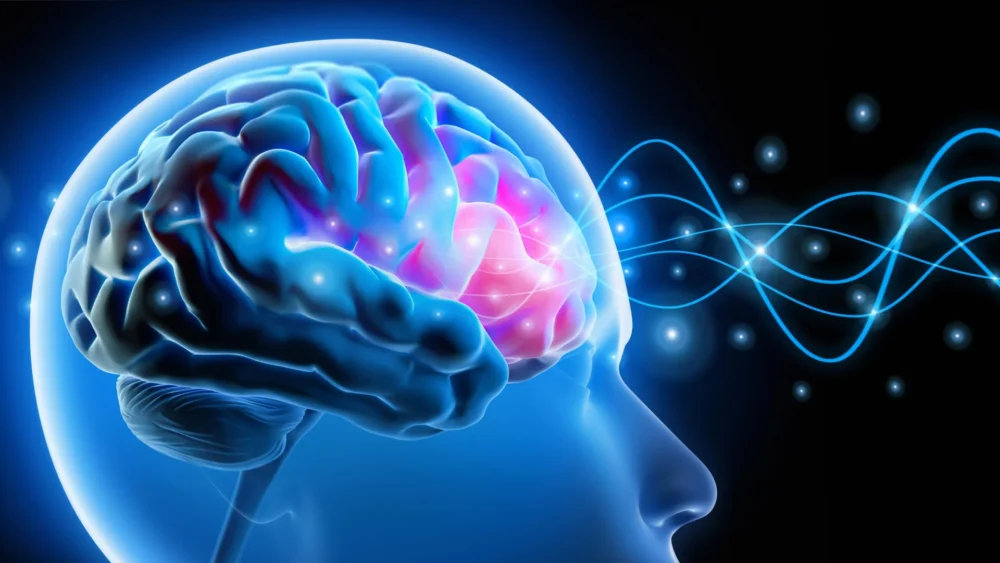
These conditions involve altered activity in key brain areas. The amygdala, which identifies danger, and the prefrontal cortex, which governs reasoning and control, both function differently in individuals with chronic anxiety. Chemical imbalances also play a role—levels of norepinephrine, a stress-response chemical, are often higher than usual.
In healthy brains, the body distinguishes between minor challenges and true threats. In anxiety disorders, even everyday situations may trigger an overwhelming stress response.
Advanced MRI Technique Highlights Brain Chemistry Differences
To investigate these changes, Maddock and Smucny used proton magnetic resonance spectroscopy (1H-MRS), a specialized form of MRI that measures chemical levels rather than creating images.
Earlier research by Maddock found lowered choline in people with panic disorder, prompting this larger-scale analysis. Although they expected a decline, the consistency of the 8% drop still surprised the team.
“In a system as sensitive as the brain, an 8% reduction is meaningful,” Maddock noted.
Could Diet Help Restore Brain Choline?
The researchers suspect that chronic activation of the body’s fight-or-flight system might increase the brain’s need for choline, gradually lowering its levels.
Although the findings suggest diet might influence choline availability, Maddock stressed that people should not self-prescribe high-dose choline supplements. More clinical studies are needed before recommending dietary interventions for anxiety treatment.
However, he emphasized the importance of balanced nutrition. Many Americans do not meet the recommended daily intake of choline. Certain omega-3 rich foods, including salmon, may be especially beneficial sources.
Foods naturally high in choline include:
- Egg yolks
- Beef liver
- Chicken
- Fish
- Soybeans
- Milk and dairy products