








Urban populations across the globe are expanding at an unprecedented pace. According to the United Nations World Urbanisation Prospects 2025 report, nearly half of the world’s 8.2 billion people now live in cities. In 1975, only eight cities qualified as “megacities” — defined as urban areas with populations exceeding 10 million. Today, that number has surged to 33.
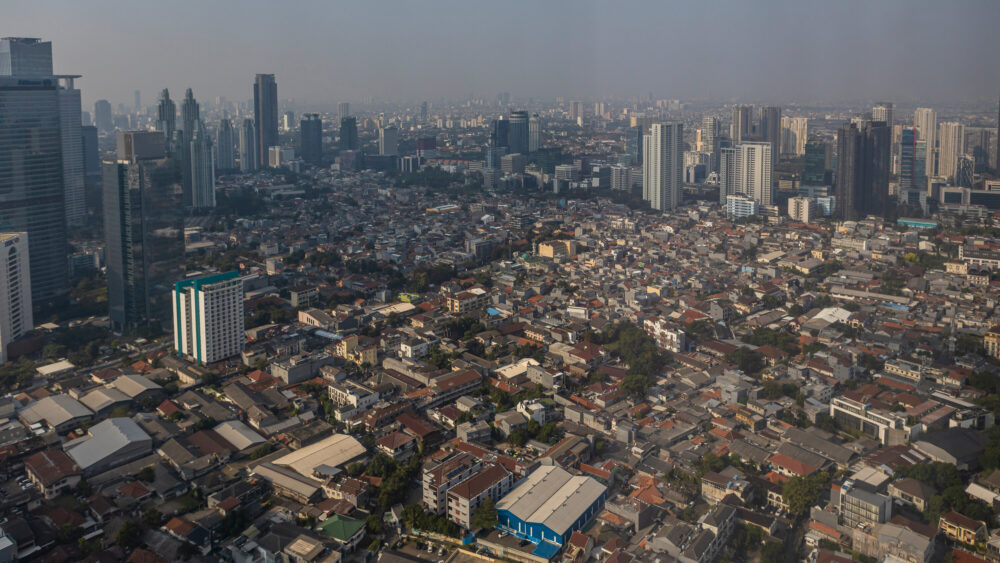
Of these megacities, 19 are located in Asia, and a major shift has just occurred at the top of the ranking. Jakarta has officially overtaken Tokyo as the largest city in the world by population. Indonesia’s capital is now estimated to be home to around 42 million people, placing it firmly in megacity territory several times over.
How the Rankings Changed
The reshuffle in global city rankings is not only driven by population growth but also by updated international definitions of what qualifies as a city, town, or rural area. As reported by The Guardian, these revised classifications mean that Jakarta had technically already surpassed Tokyo as early as 2010 — but the updated data has now formally confirmed its top position.
Coming in second is Dhaka, with an estimated population of 36 million, while Tokyo now holds the third spot. The rest of the current top ten largest cities includes:
- New Delhi
- Shanghai
- Guangzhou
- Cairo
- Manila
- Kolkata
- Seoul
Are All Megacities Growing?
Rapid urban expansion is often associated with economic opportunity, but growth also brings serious challenges. Jakarta, for example, struggles with overcrowding, frequent flooding, seismic risk, and is also slowly sinking, according to reporting by NBC. The strain on infrastructure and housing continues to intensify as its population swells.
Looking ahead, the United Nations projects that Dhaka could become the world’s largest city by 2050, with a population expected to reach over 52 million. However, not every major city is set to grow. In a stark contrast, Tokyo is projected to lose about 2.7 million residents by mid-century, largely due to Japan’s ageing population and low birth rate.
The Future of City Living
As global urbanization accelerates, the gap between fast-growing megacities and shrinking urban centers is set to widen. While some regions will continue to expand rapidly, others face the challenge of managing population decline — highlighting how uneven the future of city life may become.