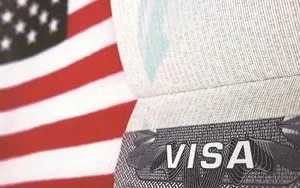



Elon Musk has reiterated his support for the H-1B visa program, saying the United States has benefited greatly from skilled professionals from India, while also cautioning that tariffs distort global markets and harm economic efficiency.
Speaking on a podcast with Indian entrepreneur Nikhil Kamath, the chief executive of Tesla said that although some firms have misused the H-1B system to hire foreign workers at significantly lower wages, his companies depend on the program purely to bridge the global talent gap.
“Our hiring is driven by a shortage of exceptional talent, not by cost,” Musk said, adding that abolishing the H-1B visa system would be harmful to innovation and economic growth in the U.S.
Impact of Trump’s Visa Fee Hike
In September, Donald Trump increased H-1B visa fees sharply to around $100,000. The move disproportionately affected Indian professionals, who make up more than 70% of total H-1B recipients. However, Trump later appeared to soften his criticism of the program, admitting that the American workforce sometimes lacks specific technical skills that foreign workers provide.
Musk made it clear that he firmly opposes shutting down the H-1B system, stating that such a move would be “extremely damaging” for U.S. competitiveness.
Criticism of U.S. Tariff Strategy
Musk also expressed dissatisfaction with the U.S. government’s aggressive tariff policies. Once a close adviser to Trump, Musk revealed that he had attempted to convince the administration to avoid tariffs but was unsuccessful.
“I believe free trade benefits everyone,” he said, arguing that tariffs disrupt the natural flow of markets. He added that if trade barriers within U.S. states would cripple the economy, imposing them between nations makes little sense.
Trump, who has frequently endorsed tariffs as a strategic economic tool, has introduced reciprocal duties on dozens of countries, although several have negotiated lower rates through trade agreements.
Musk’s Vision for the Future Economy
During the wide-ranging discussion, Musk also shared his long-term vision for humanity. He predicted that within two decades, traditional work might become optional and that money as a concept could lose relevance altogether.
“Energy is the real currency,” he said, linking this idea to digital assets like Bitcoin, which he described as fundamentally tied to energy production.
However, cryptocurrency markets have witnessed significant losses over the past two months as investor sentiment has weakened across digital assets.