








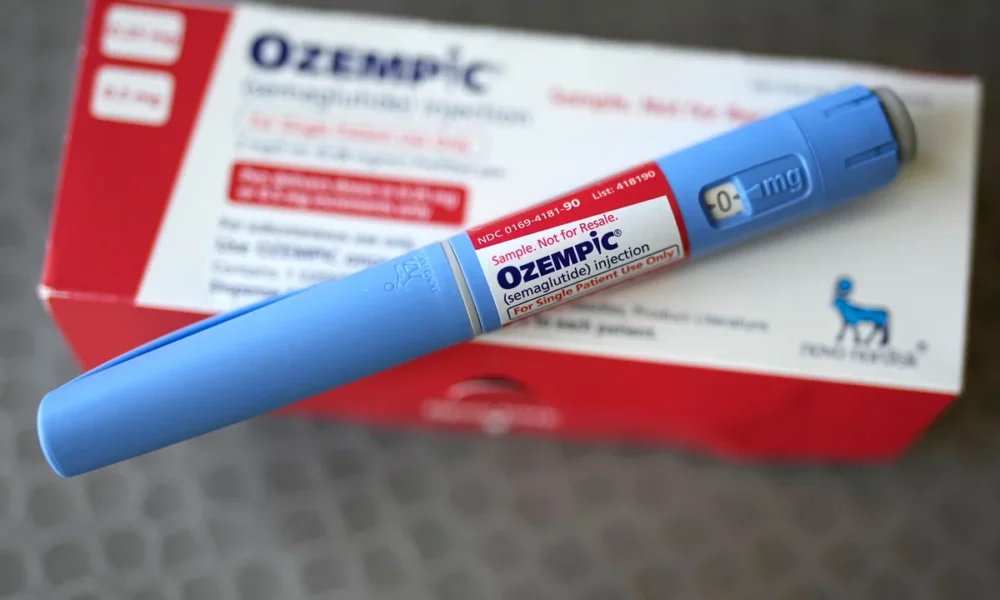
Breakthrough weight-loss drugs such as Ozempic and Wegovy are being praised by doctors as transformative treatments for obesity and related diseases. However, for state Medicaid programs already under financial strain, these medications are creating a fiscal dilemma with no easy solution.
While obesity affects nearly 40% of adults in the United States, only 16 states currently offer Medicaid coverage for GLP-1 medications used for weight loss. Many of those that initially embraced coverage are now cutting back or discontinuing the benefit entirely after costs ballooned far beyond projections.
In Connecticut, Medicaid officials scaled down coverage after spending surged by more than $100 million in a single year. Medical director Jody Terranova said the financial pressure is constant and difficult to manage as states confront rising deficits and looming federal funding reductions.
The crisis has intensified following sharp budget cutbacks to Medicaid, signed into law earlier this year by Donald Trump. State officials are now trying to balance rising health needs with shrinking public resources.
States Pull Back as Costs Soar
Several major states are retreating from GLP-1 coverage:
- California will stop covering anti-obesity GLP-1 drugs in 2026 after spending jumped more than 1,400% in one year to nearly $809 million.
- North Carolina, New Hampshire, and South Carolina have already ended or announced plans to end coverage due to budget shortfalls.
- Virginia tightened eligibility rules after annual costs climbed rapidly, leaving many patients unable to continue treatment.
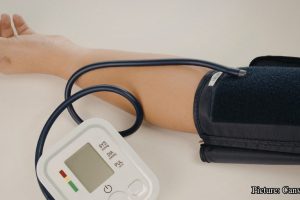
Doctors report that many patients who lost coverage have begun rapidly regaining the weight they previously lost, reversing health improvements in diabetes, blood pressure, and sleep apnea.
Life-Changing Benefits, Fragile Access
Physicians who specialize in obesity medicine describe GLP-1 drugs as the most effective non-surgical treatment ever developed. Patients have lost over 100 pounds in some cases and reversed long-standing chronic conditions. But once the medication is withdrawn, most regain the weight.
In Wisconsin, Medicaid limits patients to short-term use of these drugs, forcing them to cycle on and off treatment. Doctors warn that this stop-and-start approach undermines long-term health benefits and wastes public money.
Drug Prices Drive the Crisis
GLP-1 drugs are manufactured by pharmaceutical giants Novo Nordisk and Eli Lilly, whose soaring profits reflect unprecedented demand. A single month of treatment still costs over $1,000 at list price in the U.S., despite far lower production costs.
Although the White House recently announced a pricing deal that could eventually reduce Medicaid costs to about $245 per month, state officials remain unconvinced the savings will be sufficient or sustainable.
By contrast, the same medications cost under $100 per month in several European countries, where national governments negotiate directly with drugmakers.
Federal Policy Complicates Coverage
Since 1990, federal law has allowed Medicaid programs to exclude weight-loss medications from mandatory coverage. This policy, rooted in outdated views of obesity as a lifestyle issue rather than a chronic disease, continues to shape state decisions today.
A Biden-era proposal to mandate coverage was scrapped earlier this year by the Trump administration, citing affordability concerns.
Long-Term Savings Remain Uncertain
Health economists agree the drugs reduce cardiovascular risk by up to 20%, but there is still limited long-term data proving that Medicaid programs will recoup their investment through lower future hospital and treatment costs. Many patients also leave Medicaid for private insurance or Medicare before those savings can materialize.
Independent analysts warn that if even a small percentage of eligible patients were treated at current prices, national healthcare spending could rise by hundreds of billions annually — an unsustainable figure for state budgets.
Patients Caught in the Middle
For low-income patients, losing access often means returning to severe obesity and chronic illness. Some patients report that their doctors have even advised weight gain to meet stricter eligibility criteria.
Physicians argue that denying long-term treatment for a lifelong disease creates medical and ethical problems. “Obesity is chronic,” doctors stress, “and chronic diseases require continuous treatment.”
What Comes Next
Several states, including Connecticut, are experimenting with cheaper weight-loss pills, nutrition counseling, and lifestyle programs while waiting for GLP-1 prices to fall or new competition to enter the market.
Until then, Medicaid access to these highly effective drugs will remain deeply unequal across the U.S., with coverage determined more by state budgets than by medical need.