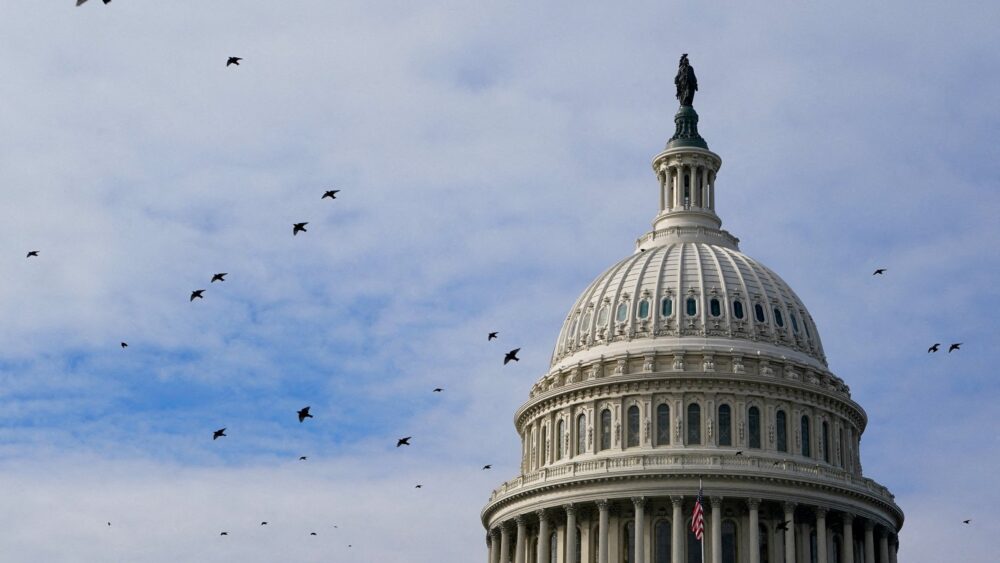










WASHINGTON — The U.S. Supreme Court on Friday temporarily paused a lower court decision that concluded Texas’ newly drawn congressional map for 2026 was likely discriminatory toward minority voters.
The order, issued by Justice Samuel Alito, freezes the ruling for several days while the Court decides whether the Republican-favored map can be used for the upcoming midterm elections.
This move is consistent with past actions by the Court’s conservative majority, which has frequently blocked lower court rulings when they are issued close to major elections.
The ruling came roughly an hour after Texas urged the Supreme Court to step in, arguing that allowing the lower court decision to stand would create confusion leading up to the state’s March congressional primary elections. The justices have previously intervened in redistricting disputes—most recently in Alabama and Louisiana—when challenges arrived months before voters headed to the polls.
Alito signed the order because he oversees emergency appeals from the region that includes Texas.
Texas adopted its new congressional map this summer as part of former President Trump’s broader effort to help maintain a narrow Republican majority in the House during next year’s elections, sparking a nationwide redistricting fight. The map was crafted to add five GOP-leaning seats, but a panel of federal judges in El Paso ruled 2-1 that civil rights groups representing Black and Hispanic voters were likely to succeed in their lawsuit challenging the map.
If that ruling ultimately stands, Texas may have to revert to the map drawn by the GOP-led Legislature in 2021 using 2020 census data for next year’s elections.
Texas was the first state to respond to Trump’s push for new Republican-friendly redistricting plans. After Texas approved its map adding five GOP seats, Missouri and North Carolina followed by adopting maps that each added one more Republican-leaning district. In response, California voters passed a ballot measure to introduce a map expected to give Democrats five additional seats.
These newly drawn maps are now facing legal challenges in California, Missouri, and North Carolina.
Separately, the Supreme Court is weighing a case from Louisiana that could further narrow the use of race-based districting under Section 2 of the Voting Rights Act. The ruling in that case could play a significant role in determining how the current round of redistricting disputes across multiple states is ultimately resolved.